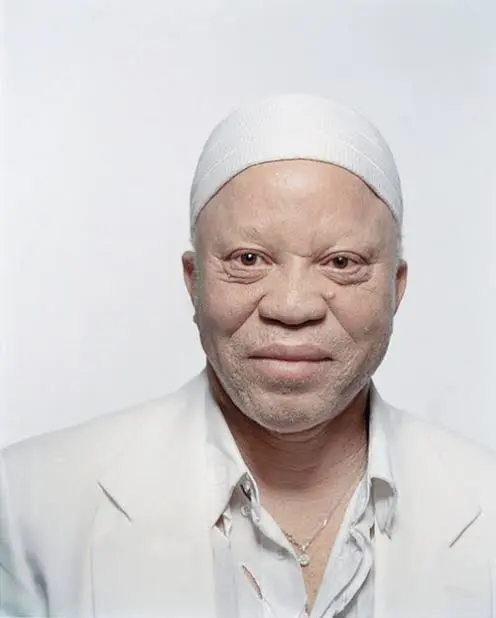
Salif Keïta Biography: Wife, Age, Net Worth, Songs, Ethnicity, Parents, Religion, Height
Salif Keïta, widely recognized as the Golden Voice of Africa, is a pioneering Malian singer-songwriter celebrated for fusing traditional West African Mande rhythms with jazz, funk, rock, and global influences to help create the Afropop genre.
He rose from bands like the Rail Band and Les Ambassadeurs Internationaux, achieved international acclaim with albums such as Soro (1987), Moffou (2002), and La Différence (2009), and advocated tirelessly for people with albinism through his foundation.
Trending Now!!:
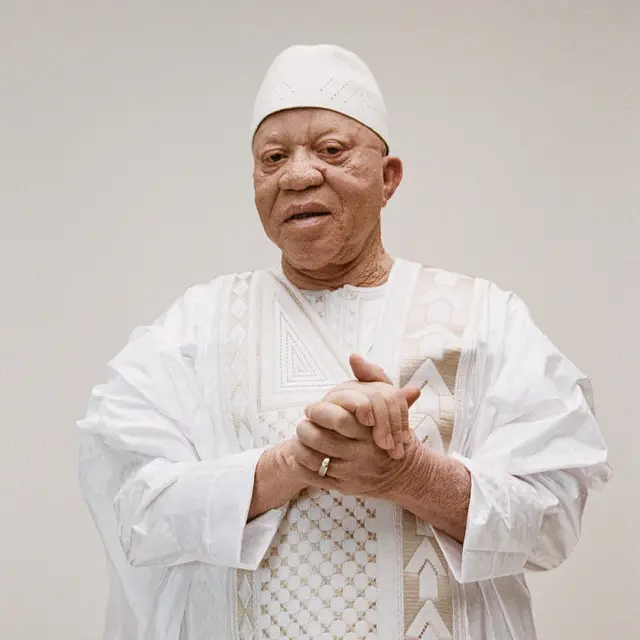
Keïta’s soaring vocals, cultural defiance, and albums like Un Autre Blanc (2018) and So Kono (2025) have earned him Grammy nominations and a lasting legacy in world music.
Quick Facts
- Full Name: Salif Keïta
- Stage Name: Salif Keita
- Born: 25 August 1949
- Age: 76 years old
- Birthplace: Djoliba, Mali
- Nationality: Malian
- Occupation: Singer-Songwriter, And Activist
- Height: Unknown
- Parents: Mr. and Mrs. Keïta
- Siblings: Unknown
- Spouse: Coumba Makalou
- Children: Nantenin Keïta, Sidyki Keita
- Relationship: Married
- Net Worth: $5 million
Early Life and Education
Salif Keïta was born on August 25, 1949, in Djoliba, Mali, into a royal family descended from Sundiata Keita, founder of the Mali Empire, who are referred to as Mr. and Mrs. Keïta. He grew up without publicly known siblings.
Keïta faced rejection due to his albinism and noble status prohibiting music, left home young for Bamako, and received limited formal education while focusing on musical passion. He holds Mandinka ethnicity from Mali, with religious details not publicly known.
Career
Salif Keïta began his career defying family traditions by leaving Djoliba for Bamako in the late 1960s, joining the government-sponsored Super Rail Band de Bamako where his powerful voice quickly stood out in blending traditional Malian sounds with Afro-Cuban influences.
He gained regional fame through live performances at the railway hotel buffet. Keïta switched to rival group Les Ambassadeurs in 1973, fleeing political unrest to Abidjan and renaming it Les Ambassadeurs Internationaux.
The band incorporated electric guitars and modern elements, earning him the National Order of Guinea in 1977 and widespread West African recognition through albums like Mandjou.
Keïta relocated to Paris in 1984 for a solo career, releasing breakthrough album Soro in 1987 with innovative production that fused Mande traditions with Western styles and propelled him internationally.
He collaborated with producers like Joe Zawinul and Carlos Santana on albums such as Amen (1991). Keïta returned to Mali in the 1990s, opening a studio and club named Moffou to nurture young artists.
He released acclaimed works including Folon (1995) and Papa (1999), performed at the Nelson Mandela tribute concert in 1988, and founded advocacy efforts for albinism awareness.
Salif Keïta dedicates albums like La Différence to albinism struggles, earning awards including Victoires de la Musique.
He announced retirement with Un Autre Blanc in 2018 but released So Kono in 2025 featuring sparse acoustic arrangements.
Keïta influences generations through fusions of traditional instruments like kora and ngoni with global sounds.
His voice and activism shape Afropop evolution. He leaves an indelible mark on world music and social advocacy.
Social Media
- Instagram Handle: Unknown
- Facebook Handle: TheRealSalifKeita
- Twitter Handle: Unknown
Personal Life
Salif Keïta married Coumba Makalou, who helps run his foundation for albinism awareness.
The couple share children including daughter Nantenin Keïta, a Paralympic athlete, and son Sidyki Keita, among others from various relationships.
Keïta endured family rejection and community ostracism due to albinism, viewed as bad luck in Mandinka culture, yet channeled experiences into music and advocacy.
He embraces a lifestyle blending performances, foundation work, and family in Bamako while promoting tolerance and protection for albinos across Africa.
Discography
- Soro (1987)
- Ko-Yan (1989)
- Amen (1991)
- Folon (1995)
- Moffou (2002)
- M’Bemba (2005)
- La Différence (2009)
- Talé (2012)
- Un Autre Blanc (2018)
- So Kono (2025)
Net Worth
Salif Keïta has an estimated net worth of $5 million. He derives primary income from decades of album sales, international tours, and live performances.
Other sources encompass royalties from acclaimed recordings, foundation-related initiatives, and collaborations in world music.
NOTICE!! NOTICE!! NOTICE!!
At TheCityCeleb, we strive to provide accurate and up-to-date biographies and entertainment news, focusing on celebrities. Our editorial team researches information from reputable sources, including interviews, official statements, and verified media.If you spot an error or have additional details, please contact us at editor@thecityceleb.com. We value your feedback and are committed to maintaining trustworthy content.