
Ali Khamraev Biography: Age, Career, Height, Net Worth, Parents, Movies, Birthplace, Wife
Ali Irgashalievich Khamraev, widely recognized as Ali Khamraev, is an acclaimed Uzbek actor, director, screenwriter, and producer.
Over six decades, he has shaped Soviet and post-Soviet film through more than 30 documentaries and 20 feature films that explore themes of cultural memory, family trauma, and human resilience in Uzbekistan’s rural and urban landscapes.
Trending Now!!:
Khamraev’s distinctive style—blending poetic realism with ethnographic depth—earned him the Meritorious Artist of the Uzbek SSR title in 1969 and the State Hamza Prize in 1971, establishing him as a cornerstone of Uzbekfilm and a mentor to generations of filmmakers in the region.
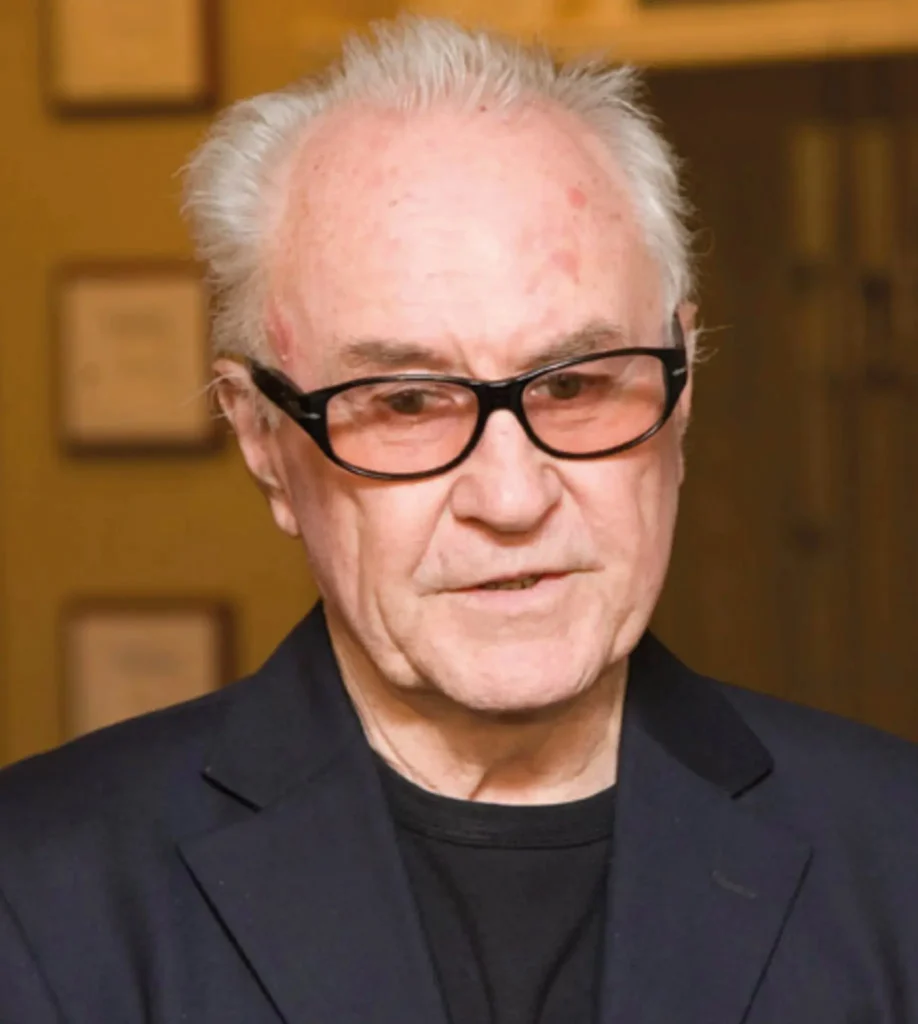
Profile
- Full Name: Ali Irgashalievich Khamraev
- Stage Name: Ali Khamraev
- Born: May 19, 1937
- Age: 88 years old
- Birthplace: Tashkent, Uzbekistan
- Nationality: Uzbek, Soviet, Italian
- Occupation: Actor, Director, Screenwriter, and Producer
- Height: 1.75m
- Parents: Ergash Khamraev and Mrs. Khamraevi
- Siblings: None
- Spouse: Unknown
- Children: None
- Relationship: Single
- Net Worth: $1.5 million
Early Life and Education
Ali Irgashalievich Khamraev was born on May 19, 1937, in Tashkent, Uzbekistan. His father, Ergash Khamraev, a pioneering filmmaker and actor who helped found Uzbek cinema, faced arrest shortly after his son’s birth in 1937, gained release two years later, and perished in World War II combat in 1942, leaving a profound shadow that echoed through Ali’s later works.
His mother, Mrs. Khamraevi, raised him alone without other siblings in a household steeped in artistic tradition.
Khamraev pursued formal training at the prestigious All-Union State Institute of Cinematography (VGIK) in Moscow, graduating in 1961 with a degree in directing under the guidance of influential mentors.
He is of Uzbek and Tajik heritage, though he keeps his religious beliefs private.
Career
Ali Khamraev embarked on his filmmaking path in the early 1960s as an assistant director at Uzbekfilm studio in Tashkent, where he absorbed the rhythms of Soviet cinema while crafting his debut documentary shorts on everyday Uzbek life.
He directed his first feature, White Sun of the Desert (1969), a collaborative effort that blended adventure and social commentary, but truly broke through with Yor-yor (1964), a poetic exploration of rural traditions that showcased his eye for authentic character portraits.
By the late 1960s, Khamraev balanced acting roles in fellow directors’ films with his own productions, earning the Meritorious Artist honor in 1969 for his contributions to Uzbek cultural narratives.
His 1971 State Hamza Prize followed for The Seventh Bullet, a stark war drama that highlighted his mastery of sparse dialogue and visual storytelling.
Khamraev hit his stride in the 1970s and 1980s, directing landmark features like Man Follows the Birds (1975), which delved into nomadic life and won acclaim at international festivals, and Triptych (1980), a triptych of women’s stories in post-war Uzbekistan praised by critics as elevating him to the forefront of Soviet Asian cinema.
He expanded into production with the founding of Samarkandfilm in 1989 amid perestroika’s thaw, allowing greater creative freedom for experimental works.
Collaborations with contemporaries like Andrei Tarkovsky and Tolomush Okeev sharpened his approach, while films such as The Bodyguard (1979) and I Remember You (1985)—an autobiographical meditation on loss—influenced a wave of introspective Central Asian directors.
His output bridged Soviet constraints and emerging independence, amassing awards at Tashkent and Locarno festivals.
Ali Khamraev sustains his legacy from his base in Italy, where he relocated in the 1990s, overseeing restorations of his classics and mentoring emerging talents through workshops at the International Film Festival Rotterdam.
He unveiled Bo Ba Bu (1998), a surreal tale of identity, and in 2021 claimed the Felix Award at Milan’s film festival for The Scent of Melon in Samarkand, a lyrical nod to his homeland’s sensory world.
Khamraev’s oeuvre—marked by over 50 projects—continues to screen at global retrospectives, inspiring filmmakers like Saodat Ismailova.
His unflinching gaze on history’s scars and quiet triumphs endures as a vital thread in world cinema’s diverse tapestry.
Social Media
- Instagram Handle: Unknown
- Facebook Handle: Unknown
- Twitter Handle: Unknown
Personal Life
Ali Khamraev maintains a private personal life, with no confirmed details about him being married or having children.
Khamraev divides his time between Rome and Tashkent, where he tends a modest garden and collects rare Uzbek manuscripts.
He supports young artists through informal gatherings and contributes to archives preserving Soviet-era reels.
Filmography
- Yor-yor (1964)
- White Sun of the Desert (1969)
- Chrezvychainyy komissar (1970)
- The Seventh Bullet (1972)
- Man Follows the Birds (1975)
- The Bodyguard (1979)
- Triptych (1980)
- Vuodillik kelin (1984)
- I Remember You (1985)
- Bo Ba Bu (1998)
- The Scent of Melon in Samarkand (2021)
Net Worth
Ali Khamraev has an estimated net worth of $1.5 million. Royalties from restored films and festival screenings provide steady returns, while production fees from Samarkandfilm and occasional consulting gigs bolster his resources.
Archival grants and book royalties on Uzbek cinema history offer further support, allowing quiet investments in cultural preservation back home.
NOTICE!! NOTICE!! NOTICE!!
At TheCityCeleb, we strive to provide accurate and up-to-date biographies and entertainment news, focusing on celebrities. Our editorial team researches information from reputable sources, including interviews, official statements, and verified media.If you spot an error or have additional details, please contact us at editor@thecityceleb.com. We value your feedback and are committed to maintaining trustworthy content.