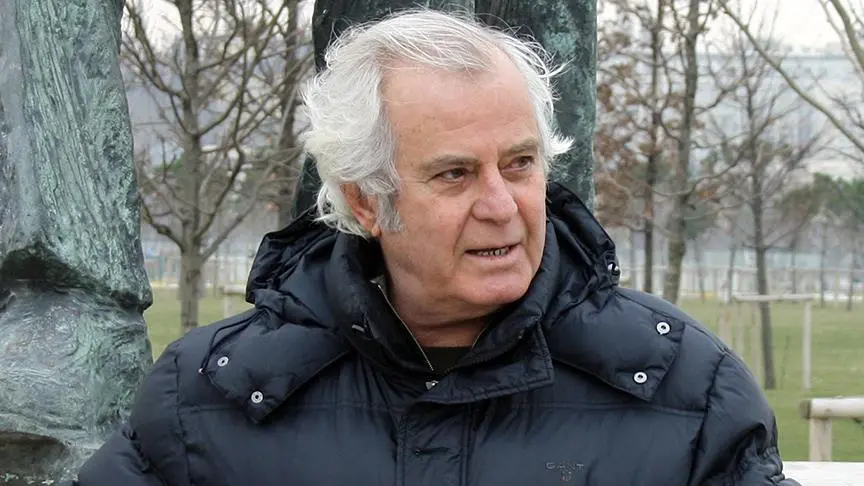
Tarık Akan Biography: Age, Wife, Children, Net Worth, Movies & TV Shows, Height, Parents
Tarık Tahsin Üregül, known professionally as Tarık Akan, was a legendary Turkish film actor and producer who became one of the most beloved figures in Yeşilçam cinema during the 1970s and 1980s, starring in over 110 films that blended romantic comedies, family dramas, and socially conscious narratives.
Discovered through a magazine contest, he rose to fame with hits like Hababam Sınıfı and Yol, earning multiple Golden Orange Awards and international recognition at festivals such as Cannes and Berlin.
Trending Now!!:
His charismatic screen presence, combined with his activism against political oppression, made him an enduring symbol of Turkish cultural resilience and artistic integrity.
Quick Facts
- Full Name: Tarık Tahsin Üregül
- Stage Name: Tarık Akan
- Born: 13 December 1949
- Died: 16 September 2016
- Age: 66 years old
- Birthplace: Istanbul, Turkey
- Nationality: Turkish
- Occupation: Actor, Producer
- Height: 1.80m
- Parents: Hüseyin Yaşar Üregül, and Yasar Üregül
- Siblings: 2
- Spouse: Yasemin Erkut (m. 1986–1989)
- Children: Barış Zeki Üregül, Özlem Üregül, Yaşar Özgür Üregül
- Relationship: Divorced
- Net Worth: $15 million
Early Life and Education
Tarık Tahsin Üregül was born on December 13, 1949, in Istanbul, Turkey.
His birthplace was Istanbul, where his family frequently relocated across the country due to his father’s military career.
He was the third child of Hüseyin Yaşar Üregül, a colonel, and Yasar Üregül, with an older sister and brother.
The constant moves shaped a nomadic childhood, with elementary education split between Erzurum and Kayseri before settling in Bakırköy, Istanbul, after his father’s retirement.
He attended Yıldız Technical University to study mechanical engineering but later switched paths, graduating from the College of Journalism.
His ethnicity is Turkish, and his religious beliefs were not publicly known.
Career
Tarık Akan entered the acting world in the late 1960s after placing second in a Ses magazine contest for aspiring actors, which led to training under director Ertem Eğilmez.
He debuted in the 1970 film Vefasız but gained traction with his first major role in 1971’s Solan Bir Yaprak Gibi, adopting his stage name and quickly becoming a Yeşilçam staple.
Working as a lifeguard and boat rental operator in his youth, he balanced odd jobs with auditions, appearing in an average of 12 films per year from 1970 to 1975, often in lighthearted romantic comedies that showcased his handsome, approachable persona and helped define the era’s escapist cinema.
Akan’s trajectory shifted toward more substantive roles in the mid-1970s, collaborating with directors like Zeki Ökten on socially charged films such as Maden (1978), where he portrayed a miner fighting exploitation, earning his second Golden Orange Award for Best Actor.
He starred in family-oriented hits like Bizim Aile (1975) and Canım Kardeşim (1973), which resonated deeply with Turkish audiences amid economic turmoil, while his political leanings drew scrutiny, leading to a brief imprisonment after the 1980 coup for alleged subversive activities.
International acclaim followed with Yol (1982), Şerif Gören and Yılmaz Güney‘s Palme d’Or winner at Cannes, where Akan played a convict navigating post-coup restrictions, and Pehlivan (1984), which secured an Honorable Mention at the Berlin Film Festival.
Akan’s later contributions extended to production and directing, including the 1985 documentary Taşların Sırrı and voicing Antika Talanı, alongside roles in comedies like Vizontele (2001).
He chaired the Nesin Foundation from 2005 and the Nazım Hikmet Cultural and Arts Foundation, using his platform for education and social advocacy.
His final film, Deli Deli Olma (2009), featured his son portraying a young Akan, closing a chapter on a career that blended commercial success with poignant commentary on Turkish society, leaving behind a library of films that continue to inspire generations.
Social Media Tarık Akan does not have any active social media accounts.
Personal Life
Tarık Akan, married actress Yasemin Erkut in 1986, a union that produced three children—son Barış Zeki Üregül (born 1986, who followed in his father’s footsteps as an actor), and twins Yaşar Özgür (son) and Özlem (daughter, born 1988)—before their divorce in 1989.
He maintained a close bond with his children, often shielding them from the spotlight while encouraging their pursuits.
Unfortunately, he died on September 16, 2016, at the age of 66. He passed away in Istanbul after a brief battle with lung cancer, for which he had been receiving treatment at a private hospital.
Filmography
- Solan Bir Yaprak Gibi (1971)
- Hababam Sınıfı (1975)
- Bizim Aile (1975)
- Canım Kardeşim (1973)
- Maden (1978)
- Sürü (1979)
- Yol (1982)
- Pehlivan (1984)
- Üçüncü Göz (1989)
- Karartma Geceleri (1990)
- Vizontele (2001)
- Deli Deli Olma (2009)
Net Worth
Tarık Akan, had an estimated net worth of $15 million at the time of his death. His prosperity flowed from prolific film salaries across 110 movies, production ventures like documentaries, and residuals from enduring classics in Turkish cinema.
NOTICE!! NOTICE!! NOTICE!!
At TheCityCeleb, we strive to provide accurate and up-to-date biographies and entertainment news, focusing on celebrities. Our editorial team researches information from reputable sources, including interviews, official statements, and verified media.If you spot an error or have additional details, please contact us at editor@thecityceleb.com. We value your feedback and are committed to maintaining trustworthy content.