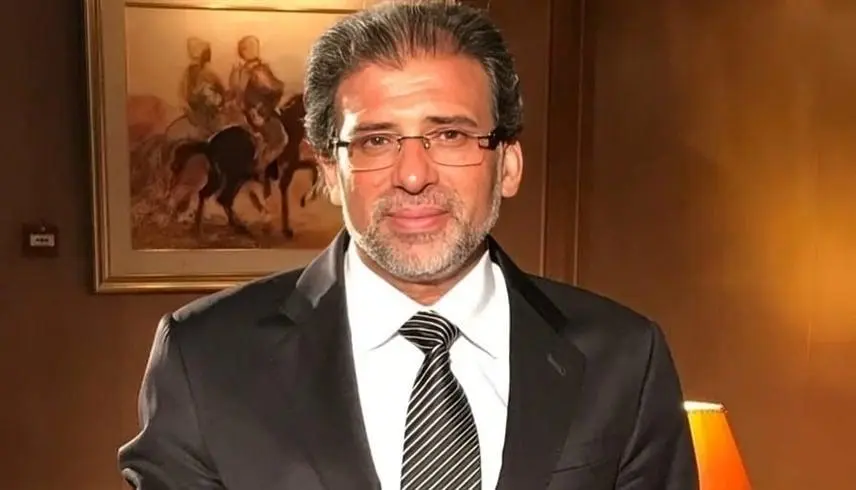
Khaled Youssef Biography: Wife, Age, Net Worth, Films, Career, Position, Ethnicity, Parents
Khaled Youssef, is an Egyptian director, screenwriter, and politician whose raw, improvisational films have long captured the pulse of societal unrest, corruption, and human resilience in modern Egypt.
Over three decades, he has helmed provocative works like Hena Maysara and Al Asifa, earning accolades such as the Silver Pyramid at the Cairo International Film Festival and spots on lists of the 100 best Arab films.
Trending Now!!:
A former student activist turned parliamentarian since 2015, Youssef’s cinéma vérité style—marked by unscripted dialogue and unflinching realism—has made him a voice for the marginalized, blending artistic daring with political commentary that foreshadowed the Arab Spring.
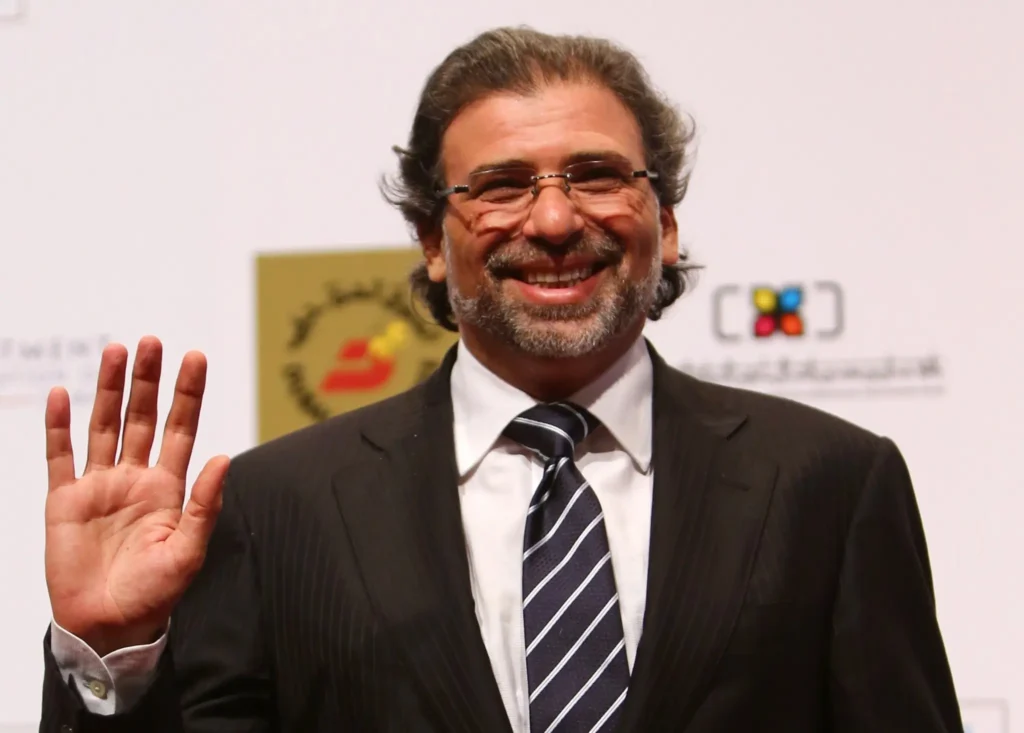
Quick Facts
- Full Name: Khaled Youssef
- Stage Name: Khaled Youssef
- Born: 28 September 1964
- Age: 61 years old
- Birthplace: Qalyubia, Egypt
- Nationality: Egyptian
- Occupation: Director, Screenwriter, Politician
- Height: Unknown
- Parents: Youssef Helmy Muhammed and Mrs. Youssef
- Siblings: Salah Youssef
- Spouse: Shalimar Sharbatly (m. 2011)
- Children: Unknown
- Relationship: Single
- Net Worth: $5 million
Early Life and Education
Khaled Youssef was born on September 28, 1964, in Qalyubia, Egypt, to Youssef Helmy Muhammed, a respected mayor, and Mrs. Youssef.
He is the youngest of 13 sons in a family including Salah Youssef who died in 2021.
Growing up in a politically engaged household, he immersed himself in student activism during the 1980s, serving as head of the Students’ Union at Zagazig University’s Banha Branch from 1988 to 1989, where he directed plays like Al Moharej and forged connections with cultural icons such as Youssef Chahine.
Youssef earned a Bachelor’s degree in Electronic and Electrical Communication Engineering from Banha University in 1990, though his true calling emerged through theater and film seminars that drew him away from engineering toward storytelling.
He is of Egyptian descent, and practices Islam as his religion.
Career
Khaled Youssef ignited his filmmaking passion as a student activist, directing university plays and crossing paths with mentor Youssef Chahine, who cast him in the 1991 documentary Cairo as Told by Youssef Chahine and brought him on board for screenwriting on The Emigrant (1994), Destiny (1997), and The Other (1999), alongside assistant directing Alexandria… New York (2004).
These collaborations sharpened his eye for raw narrative, leading to his directorial debut with Al Asifa (2000), a gritty drama that clinched the Silver Pyramid at the Cairo International Film Festival, Best Arabic Film, and a National Egyptian Cinema Award for Best Director, marking his shift to bold, improvisational cinema that tackled corruption and poverty head-on.
Youssef’s reputation grew through politically charged hits like Gwaz Biqarar Gomhoury (2001), earning another Best Director nod at the National Festival, and Enta Omry (2004), which represented Egypt internationally and spotlighted actress Menna Shalabi’s breakout performance.
He pushed boundaries with Weja (2005) and Khiana Mshroua (2006), films that drew massive audiences for their unfiltered take on infidelity and social hypocrisy, while co-directing the chaotic Heya Fawda (2007) with Chahine, a rare mentor-protégé pairing that blended documentary flair with dramatic urgency.
His 2009 work Hena Maysara became a cultural touchstone, addressing sexual harassment and earning a place on the Dubai International Film Festival’s list of 100 Best Arab Films, solidifying his role as a provocateur unafraid of censorship battles.
Youssef’s dual legacy as artist and advocate endures through parliamentarian duties since 2015, where he champions cultural freedoms, and recent projects like the series Sero El Batea (2023) and film El Eskandrany (2024), which weave personal introspection with national critique.
His aerial footage of the 2013 Rabaa massacre, controversially repurposed as pro-military propaganda, underscores his frontline involvement in Egypt’s upheavals, while awards and festival nods affirm his influence in shaping Arab cinema’s conscience.
Social Media
- Instagram Handle: Unknown
- Facebook Handle: Khaled Youssef
- Twitter Handle: Unknown
Personal Life
Khaled Youssef has been married to Shalimar Sharbatli since March 28, 2011.
He has one child.
He was also in a past relationship with actress Menna Shalabi in 2008 that fueled on-screen collaborations but ended without marriage or children.
Filmography
- Al Asifa (2000)
- Gwaz Biqarar Gomhoury (2001)
- Enta Omry (2004)
- Weja (2005)
- Khiana Mshroua (2006)
- Heya Fawda (2007)
- Hena Maysara (2009)
- Al-Share3 Lana (2011)
- Karma (2018)
- El Eskandrany (2024)
Net Worth
Khaled Youssef has an estimated net worth of $5 million.
His financial foundation rests on directing fees and royalties from over a dozen films and series, including festival winners like Al Asifa, alongside parliamentary salary and production ventures that have sustained his independent streak.
NOTICE!! NOTICE!! NOTICE!!
At TheCityCeleb, we strive to provide accurate and up-to-date biographies and entertainment news, focusing on celebrities. Our editorial team researches information from reputable sources, including interviews, official statements, and verified media.If you spot an error or have additional details, please contact us at editor@thecityceleb.com. We value your feedback and are committed to maintaining trustworthy content.