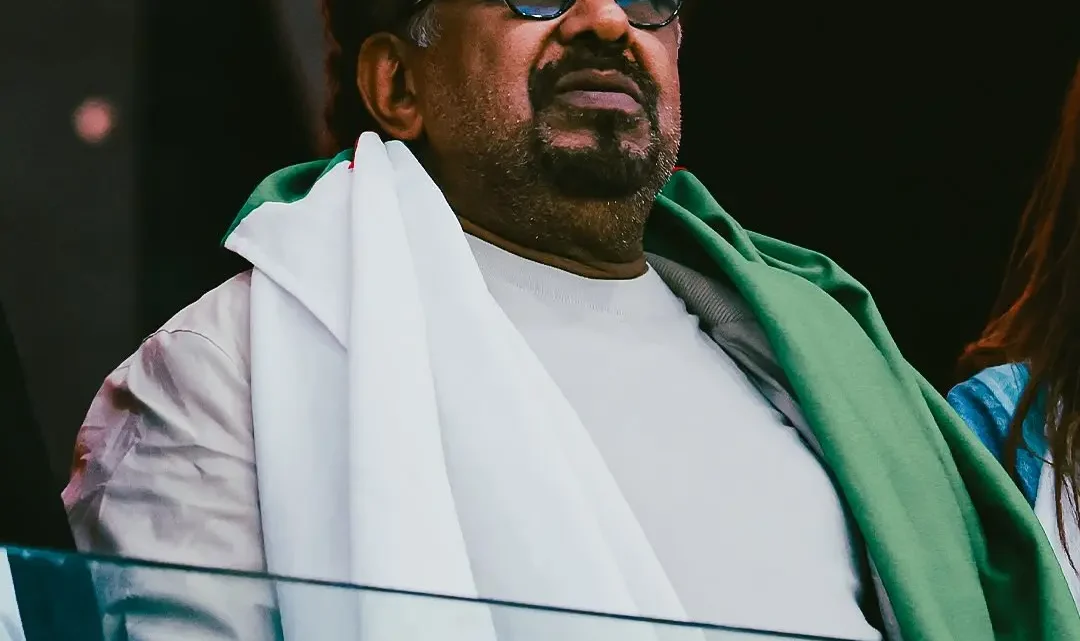
Cheb Khaled Biography: Songs, Age, Parents, Net Worth, Wife, Children, Albums, Religion, Nationality
Biography
Cheb Khaled, born Khaled Hadj Ibrahim on February 29, 1960, in Oran, Algeria, is widely regarded as the King of Raï and one of the most influential figures in modern Arab music. He is a celebrated Algerian raï singer, musician, and songwriter.
He began his career in his early teens, recording under the name Cheb Khaled (“Young Khaled“)—a common prefix for the new generation of raï singers—and formed his first band, Les Cinq Étoiles, at age 14.
Trending Now!!:
In the 1980s, he helped revolutionize raï by blending traditional Algerian sounds with Western elements like synthesizers, electric guitars, and drum machines, making it a global phenomenon. Crowned the king of raï at the first official raï festival in 1985, Khaled achieved massive international success in the early 1990s after moving to France (due to threats from Islamic extremists over his music’s themes).
His 1992 self-titled album, produced by Don Was, featured the iconic hit “Didi“, which became a worldwide smash. Known as the Ambassador of Arab Music, Khaled has sold millions of records, bridged cultures through his infectious blend of raï, pop, and world music, and remains one of the most celebrated Algerian and African artists worldwide.
He later dropped the “Cheb” prefix as he matured and continues to release music into the 2020s.
| Algerian singer and musician | |
| Cheb Khaled | |
|---|---|
 | |
| Wiki Facts & About Data | |
| Real Name: | Khaled Hadj Ibrahim |
| Stage Name: | Khaled |
| Born: | 29 February 1960 (age 66 years old) |
| Place of Birth: | Oran, Algeria |
| Nationality: | Algerian |
| Education: | N/A |
| Height: | 1.65 m |
| Parents: | Ahmed Hadj Ibrahim, Fatima Zahra |
| Siblings: | N/A |
| Spouse: | Samira Diabi (m. 1995) |
| Girlfriend • Partner: | Not Dating |
| Children: | 5 |
| Occupation: | Musician • Singer |
| Net Worth: | $40 million (USD) |
Early Life & Education
Khaled Hadj Ibrahim, better known as Cheb Khaled (and later simply Khaled), was born on February 29, 1960, in the Eckmühl neighborhood (also known as Sidi El Houari) of Oran, Algeria, during the waning years of French colonial rule.
He grew up in a modest, working-class family in the bustling port city of Oran, a cultural melting pot renowned as the birthplace of raï music. His ethnicity is Algerian, rooted in the Arab-Berber heritage common in western Algeria; his mother originally came from the town of Béchar in southwestern Algeria.
Khaled was raised in a Muslim household, consistent with Algeria’s majority faith. He has referenced Islamic cultural elements in his work and has publicly opposed religious extremism that targeted raï artists.
His father, Ahmed Hadj Ibrahim, worked as a mechanic (with some accounts noting employment tied to a local police garage), and initially strongly disapproved of his son’s musical ambitions, viewing them as unsuitable. His mother, Fatima Zahra, from Béchar, provided a supportive yet traditional family environment amid the challenges of post-independence Algeria.
Khaled grew up with siblings, including at least two brothers and one sister, though specific details about them remain limited in public records.
His education was brief and informal. By his early teens, Khaled‘s passion for music overshadowed schooling—he even recorded his debut single, “La Route de Lycée,” at age 14, inspired by the long daily trek to school.
He soon left formal education behind, left home to pursue music full-time, and formed his first band, Les Cinq Étoiles, embracing the emerging raï scene despite family opposition. This self-taught path, fueled by influences from local traditions, Western pop, and Oran’s vibrant nightlife, defined his early rise as a raï pioneer.
Career
Cheb Khaled has built a career spanning more than 50 years, starting as a teenage raï pioneer in Algeria and becoming known worldwide as the “King of Raï.” He is the bestselling Arabic-language singer in history, with over 80.5 million albums sold and many diamond, platinum, and gold certifications.
Khaled began performing and recording in his early teens in Oran, the heart of raï music in Algeria. At 14, he formed his first band, Les Cinq Étoiles (The Five Stars), and released his debut single, “La Route de Lycée” (also known as “Trig Lycee“), inspired by his school days. He used the prefix “Cheb,” meaning “young” in Arabic, a common choice for new raï artists.
He quickly became popular locally by performing at cabarets and weddings and by sharing cassette tapes. Khaled was influenced by traditional raï artists like Cheikha Remitti, Moroccan chaabi music, and Western acts such as The Jackson 5 and Elvis.
In the 1980s, he helped modernize raï by adding synthesizers, drum machines, electric guitars, and global sounds. His national breakthrough came in 1985, when Lieutenant-Colonel Hosni Snoussi supported raï musicians, leading to performances at state events such as the Festival de la Jeunesse in Algiers.
That same year, at the first official raï festival in Oran, he was named the “King of Raï,” confirming his place as the genre’s top artist. When Islamic extremists threatened raï artists for their themes of love, partying, and rebellion, Khaled moved to France in 1986 (some sources say 1988).
There, he became the first Algerian to sign with a major French label. His 1988 album Kutché, made with Algerian jazz musician Safy Boutella, helped him reach a wider European audience. Khaled became an international star in 1992 with his self-titled album Khaled, produced by Don Was, after he dropped “Cheb” from his name.
The lead single “Didi” was a huge hit in Europe, the Arab world, South Asia, and beyond, topping charts in France, Belgium, Spain, Pakistan, and India, and even appearing in Bollywood films. The 1990s were his peak years for blending raï with pop, rock, reggae, and world music. Albums like N’ssi N’ssi (1993) and Sahra (1996), which featured the romantic ballad “Aïcha,” became global successes.
Songs such as “Abdel Kader,” “El Arbi,” and “Alech Taadi” (featured in The Fifth Element) further increased his international appeal. In the 2000s and beyond, Khaled continued to collaborate with many artists and released albums such as Kenza (2000), Ya-Rayi (2004), Liberté (2009), and C’est la vie (2012).
The title track from C’est la vie became another worldwide hit. In 2010, he performed “Didi” at the opening ceremony of the FIFA World Cup in South Africa, further strengthening his reputation as a cultural ambassador.
In recent years, he released the charity single “Elle S’appelle Beyrouth” in 2020 to support victims of the Beirut explosion, which topped the Lebanese charts, and the 2022 album Cheb Khaled. He has also worked with artists like Pitbull and French Montana, keeping his influence strong in Arabic pop and world music.
Social Media
- Wikipedia: Khaled (musician)
- Instagram: Khaled | الشاب خالد (@chebkhaledofficial)
- YouTube: Khaled
- Facebook: Khaled (@KhaledOfficial)
Personal Life
Cheb Khaled (Khaled Hadj Ibrahim) is 66 years old, having been born on February 29, 1960—a leap day that makes his birthday occur only every four years on February 29, with celebrations often falling on February 28 or March 1 in non-leap years.
Khaled has been married once, to Samira Diabi, whom he wed on January 12, 1995 (she was 27 at the time). The couple remains together, though their relationship faced public scrutiny in 1997 when Samira filed (and later withdrew) a domestic violence complaint.
Together, they have five children: four daughters and one son. Khaled also has an illegitimate son from an earlier relationship, with whom he reportedly has no contact. He maintains considerable privacy around his personal life, and little is publicly known about any dating history or relationships prior to his marriage.
His height is inconsistently reported across sources: some (including IMDb) list him at 5’5″ (1.65 m), while others cite approximately 173 cm (5’8″). No definitive measurement is universally confirmed.
Net Worth
Cheb Khaled (Khaled Hadj Ibrahim) has an estimated net worth of $40 million, according to reliable sources such as Celebrity Net Worth and event platforms that profile his career.
This fortune stems primarily from his extraordinary success as the King of Raï and the bestselling Arabic-language artist in history, with over 80.5 million albums sold worldwide (including numerous diamond, platinum, and gold certifications).
His wealth has been built through decades of hit albums, global tours, royalties from iconic tracks like “Didi,” “Aïcha,” and “C’est la vie,” live performances (including major events like the FIFA World Cup opening), collaborations, and his role as a cultural ambassador bridging Arab and Western music scenes.
Note that celebrity net worth figures are estimates and can vary; some less consistent reports reference annual earnings or YouTube/streaming revenue, but the $40 million figure remains the most widely cited for his overall accumulated wealth.
Despite his massive sales and long career, Khaled has maintained a relatively private lifestyle compared to some pop stars, focusing more on his musical legacy than on flashy business ventures.
Discography
Key Studio Albums
- Early Algerian releases (cassette era, as Cheb Khaled):
- Nenssa Souad (1978)
- Der Ghalta (1983)
- Hada Raykoum (1985) — a breakthrough in Algeria
- Fuir, mais où ? (1995, though roots in earlier work)
- International breakthrough and major label era:
- Kutché (1988, with Safy Boutella) — his first major international album
- Khaled (1992) — featuring the global hit “Didi”
- N’ssi N’ssi (1993)
- Sahra (1996) — includes the iconic “Aïcha”
- Kenza (1999)
- Ya-Rayi (2004)
- Liberté (2009)
- C’est la vie (2012) — title track became a massive hit
- Cheb Khaled (2022) — a return to his roots with remixes and features
Recent and Additional Notable Releases
- Various singles and EPs in the 2020s, including collaborations like “Maghreb Gang” (2019, feat. French Montana), “Diamanti e Oro” (2025, feat. Jovanotti), and recent albums/tracks such as Keddaba Arfak Deddaba (latest release around 2026).
- Live albums and concerts (e.g., Concert en Tunisie, KADA (Live)).
- Numerous compilations: Le Meilleur de Cheb Khaled (1991/1994), Forever King (2005), Spirit of Rai (2005), Best of Khaled (2007), and others highlighting his classics.
What People Ask
NOTICE!! NOTICE!! NOTICE!!
At TheCityCeleb, we strive to provide accurate and up-to-date biographies and entertainment news, focusing on celebrities. Our editorial team researches information from reputable sources, including interviews, official statements, and verified media.If you spot an error or have additional details, please contact us at editor@thecityceleb.com. We value your feedback and are committed to maintaining trustworthy content.