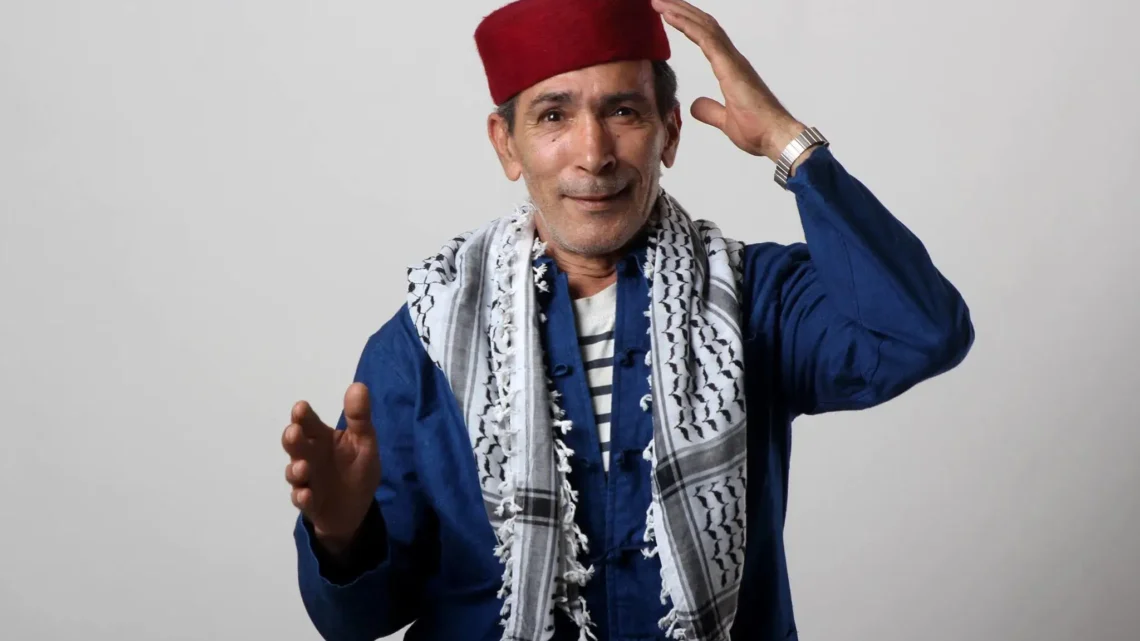
Salah Farzit Biography: Age, Songs, Net Worth, Albums, Songs, Career, Wife, Ethnicity
Salah Farzit, is a pioneering Tunisian singer and composer renowned for revitalizing the traditional mezoued genre, a rhythmic folk music deeply rooted in Tunisian popular culture.
Active since the 1970s, he has modernized mezoued by incorporating electronic and Western instruments while preserving its authentic essence, earning him recognition as one of the genre’s key innovators alongside artists like Samir Loussif and Faouzi Ben Gamra.
Trending Now!!:
Farzit’s emotive vocals and poetic lyrics, often drawing from personal and social themes, have made him a cultural icon, with hits like “Irdha Alina Ya Lommima” symbolizing resilience amid adversity.
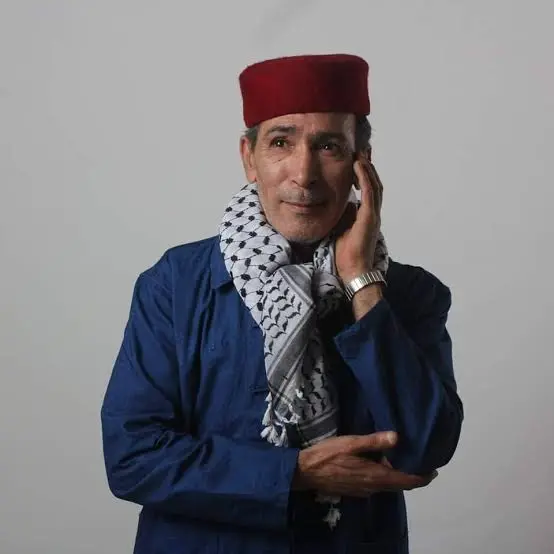
Quick Facts
- Full Name: Salah Farzit
- Stage Name: Salah Farzit
- Born: June 1, 1953
- Age: 72 years old
- Birthplace: Tunisia
- Nationality: Tunisian
- Occupation: Singer, Composer
- Height: Unknown
- Parents: Unknown
- Siblings: Unknown
- Spouse: Unknown
- Children: None
- Relationship: Unknown
- Net Worth: $1 million
Early Life and Education
Salah Farzit was born on June 1, 1953, in Tunisia, to parents who remain private, and no public information about him having siblings.
Growing up amid the cultural richness of Tunisia, Farzit developed a profound connection to mezoued, a genre blending poetry, rhythm, and social commentary.
While formal education specifics are not publicly known, his early exposure to literature and poetry shaped his lyrical style, influenced by classical Arabic traditions.
Farzit is of Tunisian heritage, with its Arab and Berber roots, and practices Islam as his religion.
Career
Salah Farzit launched his career in the 1970s, emerging as a fresh voice in Tunisia’s underground mezoued scene, where he began performing at local gatherings and small venues.
His early work focused on traditional instrumentation like the mezoued bagpipe and darbuka, but he quickly distinguished himself by experimenting with fusion elements, drawing from his passion for poetry and social narratives.
A defining moment came in 1976 when he composed “Irdha Alina Ya Lommima” while imprisoned for protesting police abuse, a song that captured themes of injustice and hope, becoming an anthem for Tunisian resilience and marking his initial rise to prominence despite institutional marginalization.
Farzit’s growth in the 1980s and 1990s solidified his status as a mezoued innovator, releasing albums that blended raw folk energy with subtle modern touches, such as subtle electronic beats, to appeal to younger audiences without diluting the genre’s soul.
Tracks like “Galouli Rawah El Barrani” and “Ya Nari Rahlou Lthnin” showcased his poetic prowess, often addressing love, hardship, and cultural identity in chaste Arabic, earning him a devoted following across North Africa.
Despite facing official neglect from Tunisian cultural bodies, he collaborated with fellow mezoued artists and performed at festivals, contributing to the genre’s survival during periods of censorship.
His album Migouda (2005) marked a commercial milestone, introducing polished production that broadened his reach, while Janna Ouitrafek Nar (2016) reflected a mature evolution, incorporating global influences and reinforcing his role in preserving mezoued’s legacy.
Farzit endures as a guardian of Tunisian musical heritage, featured in documentaries like Art du Mezoued: Chute d’un Art Marginal dans l’Oubli, which highlights his fight against the genre’s fading recognition.
His influence persists through streaming platforms and live performances, inspiring a new wave of mezoued artists who blend tradition with contemporary sounds.
Farzit’s body of work, spanning heartfelt ballads to rhythmic anthems, continues to echo in Tunisian society, symbolizing cultural endurance and artistic rebellion.
Social Media
- Instagram Handle: Unknown
- X Handle: Unknown
- YouTube Handle: Salah Farzit
Personal Life
Salah Farzit maintains a deeply private personal life, with no publicly confirmed details about a spouse, romantic partners, or children.
Based in Tunisia, he leads a low-key existence centered on music and literature, occasionally sharing poetic reflections in interviews that reveal his introspective nature.
Discography
- Migouda (2005)
- Janna Ouitrafek Nar (2016)
- Best of Salah Farzit, Vol. 1 (compilation)
Net Worth
Salah Farzit has an estimated net worth of around $1 million.
His financial foundation rests on decades of album sales, live concerts, and streaming revenue from platforms like Spotify, Deezer, and YouTube, alongside royalties from enduring mezoued hits in Tunisia’s folk music circuit.
NOTICE!! NOTICE!! NOTICE!!
At TheCityCeleb, we strive to provide accurate and up-to-date biographies and entertainment news, focusing on celebrities. Our editorial team researches information from reputable sources, including interviews, official statements, and verified media.If you spot an error or have additional details, please contact us at editor@thecityceleb.com. We value your feedback and are committed to maintaining trustworthy content.