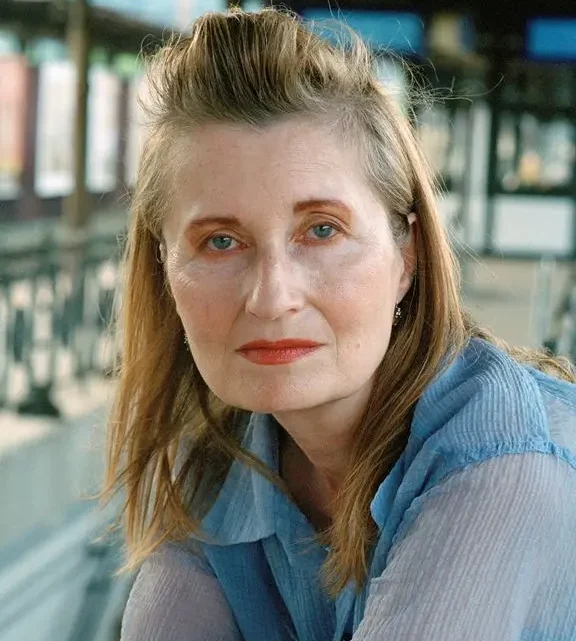
Elfriede Jelinek Biography: Husband, Ethnicity, Books, Age, Net Worth, Poems, Awards, Children
Elfriede Jelinek, is an Austrian novelist, playwright, poet, and essayist, who commands global respect for her razor-sharp dissections of patriarchy, consumerism, and Austria’s fascist undercurrents through linguistically daring works that earned her the 2004 Nobel Prize in Literature.
She fused conservatory-honed musicality—piano, organ, composition—with university studies in theater and art history to craft prose and drama pulsing like dissonant symphonies.
Trending Now!!:
Jelinek’s output skewers societal hypocrisies in novels like The Piano Teacher, adapted into Michael Haneke’s chilling film, and plays such as Bambiland that layer voices to expose power’s absurdities.
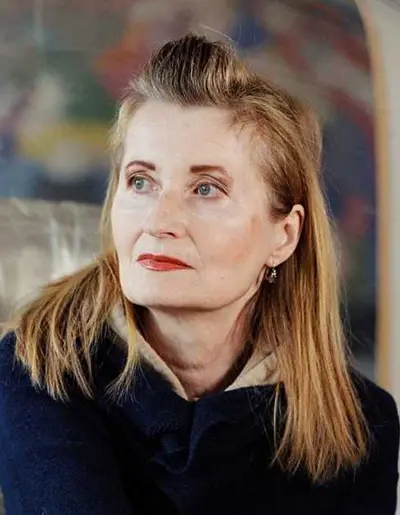
Quick Facts
- Full Name: Elfriede Jelinek
- Stage Name: Elfriede Jelinek
- Born: 20 October, 1946
- Age: 79 years old
- Birthplace: Mürzzuschlag, Styria, Austria
- Nationality: Austrian
- Occupation: Novelist, Playwright, Poet, Essayist, Translator
- Height: Unknown
- Parents: Jewish-Czech father and Viennese mother
- Siblings: Unknown
- Spouse: Gottfried Hüngsberg (m. 1974– 2022)
- Children: None
- Relationship: Unknown
- Net Worth: $2 million
Early Life and Education
Elfriede Jelinek was born on October 20, 1946, in Mürzzuschlag, Styria, Austria, to a Jewish-Czech father and Viennese mother whose names remain private. She grew up immersed in intensive musical discipline from childhood.
Jelinek trained rigorously in piano, organ, and composition at the Vienna Conservatory, channeling auditory precision into her craft.
She later pursued theater and art history at the University of Vienna, merging sonic layers with dramatic analysis. She is of Styrian roots and her religion is unknown.
Career
Elfriede Jelinek unveiled her literary edge with the 1967 poetry collection Lisas Schatten, probing shadows of identity through rhythmic experimentation that hinted at her mature polyphony.
She plunged into prose with the 1970 novel Wir sind Lockvögel, Baby!, skewering youth culture’s traps, followed by Michael: Ein Jugendbuch für die Infantilgesellschaft in 1972 that lambasted societal infantilism with biting satire.
The 1970s saw her hone feminist barbs in plays and essays, while Die Ausgesperrten in 1980 dissected post-war Austria’s moral voids through generational rot. Breakthrough arrived with Die Klavierspielerin (The Piano Teacher, 1983), a visceral portrait of masochistic control whose 2001 film adaptation amplified her reach.
These early salvos fused musical repetition with narrative rupture, establishing her as a provocateur unafraid of raw confrontation and linguistic overload.
Jelinek escalated through the 1980s and 1990s with Lust (1989) exposing sexual commodification and Gier (Greed, 2000) unraveling bourgeois decay, her dramas like Was geschah, nachdem Nora ihren Mann verlassen hatte repurposing Ibsen to gut-punch patriarchy.
Plays such as Bambiland (2003) raged against war’s spectacle, layering media voices into chaotic indictments. Awards piled on—Heinrich Böll Prize in 1986, Georg Büchner in 1988—validating her assault on clichés amid Austrian controversies over her unsparing national gaze.
Translations surged, her “musical flow of voices” as Nobel judges phrased it piercing global stages and pages. These mid-career triumphs weaponized her conservatory ear against power structures, blending theater’s immediacy with novelistic depth.
Elfriede Jelinek sustains impact through revivals of her plays and novels that dissect enduring hypocrisies from consumerism to authoritarian echoes.
Nobel stature elevates her texts in curricula worldwide, inspiring adaptations and debates on language as resistance.
Essays and poetry collections reinforce her polyvocal assault on norms. Klavierspielerin films and Bambiland stagings ripple in festivals, her Styrian fury shaping feminist and political theater legacies.
Social Media
- Instagram Handle: Unknown
- Facebook Handle: Unknown
- Twitter Handle: Unknown
Personal Life
Elfriede Jelinek current relationship status is unknown, she was previously married to Gottfried Hüngsberg, an information systems engineer and film composer, from June 12, 1974, until his death in 2022.
Their marriage was a “Tale of Two Cities” arrangement, with Jelinek living primarily in Vienna and her husband in Munich, which she stated was good for their relationship. They did not have any children.
Net Worth
Elfriede Jelinek has an estimated net worth of $2 million. Nobel Prize prestige and global translations of novels like The Piano Teacher fuel royalties through editions and adaptations.
Play performances, essay collections, and awards like Büchner bolster earnings from decades of provocative output across literature and theater.
NOTICE!! NOTICE!! NOTICE!!
At TheCityCeleb, we strive to provide accurate and up-to-date biographies and entertainment news, focusing on celebrities. Our editorial team researches information from reputable sources, including interviews, official statements, and verified media.If you spot an error or have additional details, please contact us at editor@thecityceleb.com. We value your feedback and are committed to maintaining trustworthy content.