Luiz Inácio Lula da Silva Bio: Height, Age, Wife, Children, Parents, Net Worth, Party, Ethnicity, Religion
Biography
Luiz Inácio Lula da Silva, commonly known as Lula, is a Brazilian politician and former trade unionist born on October 27, 1945, in Garanhuns, Pernambuco.
Rising from poverty as a metalworker, he became a prominent labor leader in the 1970s and co-founded the Workers’ Party (PT) in 1980.
Trending Now!!:
He served as Brazil’s 35th president from 2003 to 2011, overseeing economic growth and social programs that lifted millions out of poverty.
After corruption convictions (later annulled), imprisonment from 2018 to 2019, and a political comeback, he was elected the 39th president in 2022, taking office in 2023.
As of 2026, Lula remains in office and has announced his intention to seek reelection.
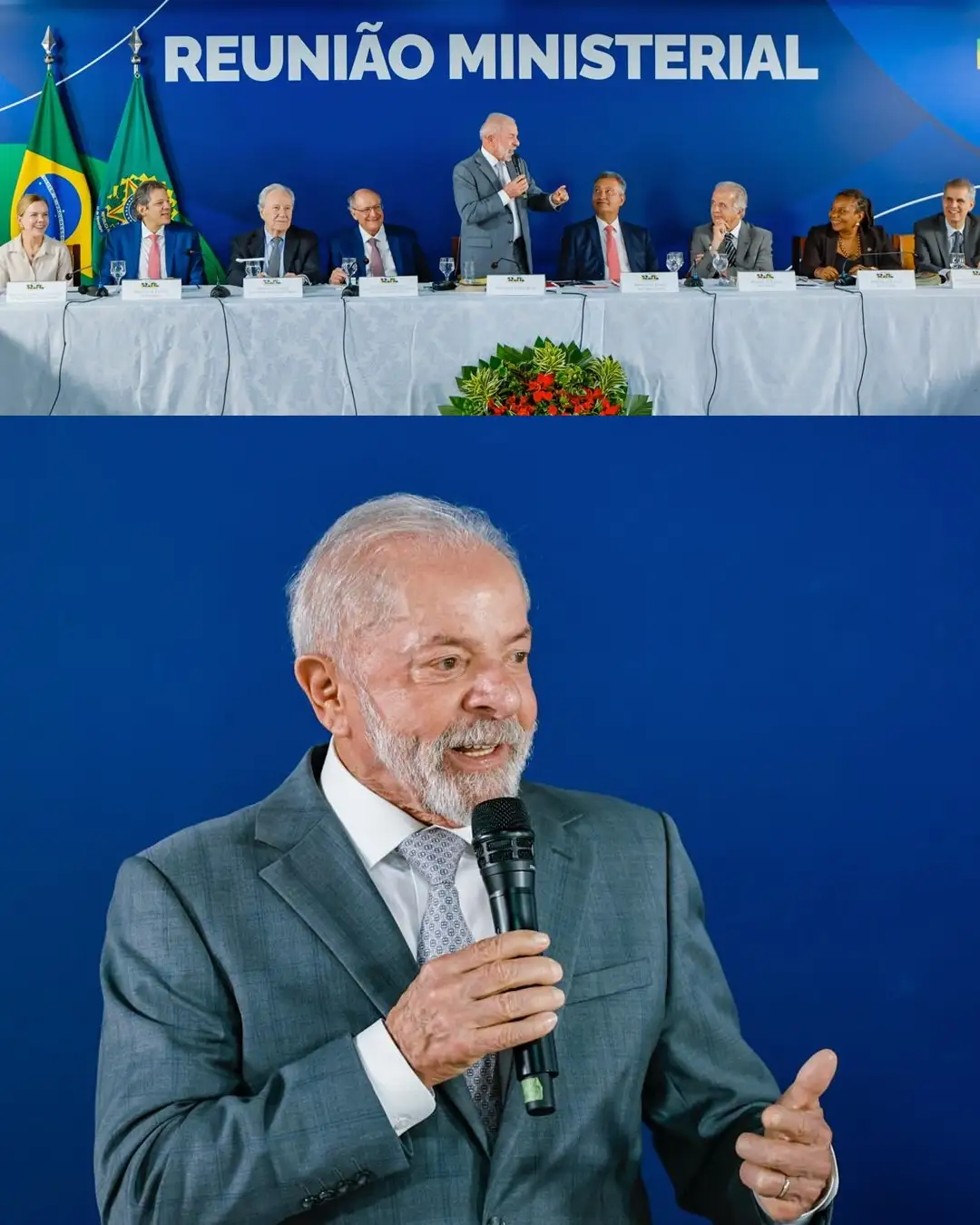
| President of Brazil | |
| Luiz Inácio Lula da Silva | |
|---|---|
 | |
| Wiki Facts & About Data | |
| Real Name: | Luiz Inácio Lula da Silva |
| Stage Name: | Lula |
| Born: | 27 October 1945 (age 80 years old) |
| Place of Birth: | Caetés, State of Pernambuco, Brazil |
| Nationality: | Brazilian |
| Education: | N/A |
| Height: | 1.68 m |
| Parents: | Aristides Inácio da Silva, Dona Lindu |
| Siblings: | Frei Chico, José Inácio da Silva, Jaime da Silva, Germano da Silva, Genival Inácio da Silva, Jackson da Silva, José Rubens da Silva, Maria Ferreira Moreno, Lindinalva Silva, João Inácio da Silva Neto, Guilhermina da Silva, Antônio Roberto da Silva, Odair da Silva, Maria da Silva Chemone, Marinete Leite Cerqueira, Ruth da Silva |
| Spouse: | Janja Silva (m. 2022), Marisa Letícia Lula da Silva (m. 1974–2017), Maria de Lurdes da Silva (m. 1969–1971) |
| Girlfriend • Partner: | Not Dating |
| Children: | Lurian Cordeiro, Fábio Luís da Silva, Sandro Luís da Silva, Luís Cláudio da Silva, Marcos Cláudio da Silva |
| Occupation: | Politician • Trade Unionist |
| Net Worth: | $12 million (USD) |
Early Life & Education
Luiz Inácio Lula da Silva, known as Lula, was born on October 27, 1945 (though his birth certificate, due to delayed registration in a remote area, lists October 6, 1945) in Caetés, a rural municipality in the arid interior of Pernambuco state, northeastern Brazil—one of the country’s poorest regions at the time.
He was the seventh of eight children born to illiterate peasant farmers Aristides Inácio da Silva (father) and Eurídice Ferreira de Melo (mother, affectionately called Dona Lindu). His siblings are Frei Chico, José Inácio da Silva, Jaime da Silva, Germano da Silva, Genival Inácio da Silva, Jackson da Silva, José Rubens da Silva, Maria Ferreira Moreno, Lindinalva Silva, João Inácio da Silva Neto, Guilhermina da Silva, Antônio Roberto da Silva, Odair da Silva, Maria da Silva Chemone, Marinete Leite Cerqueira, and Ruth da Silva.
His ethnicity is primarily Portuguese, with partial Italian ancestry through his mother’s side. Lula was raised in a Roman Catholic family and has remained a practicing Catholic throughout his life. Family life was marked by severe poverty and instability.
Shortly after his birth, his father moved to São Paulo with a cousin, starting a second family (with additional children). Dona Lindu initially raised the eight children alone in Pernambuco. In 1952, when Lula was seven, she migrated with them to São Paulo in search of better opportunities, enduring a harrowing 13-day journey in the open bed of a truck (pau de arara).
Upon arrival in Santos and later São Paulo, the family briefly lived with the father in cramped, abusive conditions before Dona Lindu left with her children to live in a single room behind a bar. Lula had minimal contact with his alcoholic and abusive father afterward.
Lula‘s education was extremely limited due to economic necessity. He attended school sporadically and did not learn to read until age 10. He left formal schooling after completing only a few years (around the fourth or fifth grade) to work full-time.
Starting at age eight, he sold peanuts and shone shoes on the streets; by 12, he worked in a warehouse, and at 14, he got his first factory job. He later trained as a lathe operator through vocational courses at SENAI (National Industrial Training Service), becoming a skilled metalworker—a role that shaped his future as a union leader.
At age 19, he lost his left pinky finger in a workplace accident, an event that deepened his awareness of workers’ rights.
Career
Luiz Inácio Lula da Silva started his career as a metalworker in São Paulo’s industrial ABC region during Brazil’s military dictatorship (1964–1985).
In 1974, after losing his left pinky finger in a workplace accident, he became more active in labor movements, inspired by his brother Frei Chico.
In 1975, Lula became president of the Metalworkers’ Union of São Bernardo do Campo and Diadema. Building on his growing labor involvement, he led major strikes from 1978 to 1980 that challenged the government and united hundreds of thousands of workers.
After a brief arrest in 1980, he emerged as a national labor leader. That same year, Lula helped found the Workers’ Party (Partido dos Trabalhadores, PT)—a leftist party formed by unions, social movements, and intellectuals to represent workers during Brazil’s return to democracy. He ran for president unsuccessfully in 1989, 1994, and 1998, before finally winning in 2002 to become Brazil’s 35th president in 2003.
During his first two terms from 2003 to 2011, Lula oversaw strong economic growth, helped by rising commodity prices. At the same time, he introduced social programs like Bolsa Família, which helped lift millions out of poverty.
As a result, Brazil experienced less inequality, greater access to education and credit, and increased influence on the world stage. He left office with high approval ratings and was reelected in 2006. Later, after his presidency, Lula was investigated in the Operation Car Wash (Lava Jato) case, which involved corruption at Petrobras. In 2017, he was convicted of corruption and money laundering, sentenced to prison in 2018, and served 580 days.
In 2021, Brazil’s Supreme Court overturned Lula’s convictions on procedural grounds, allowing him to return to politics. In 2022, he narrowly beat the sitting president, Jair Bolsonaro, becoming Brazil’s 39th president and the first to defeat an incumbent and serve non-consecutive terms.
Sworn in at age 77 in 2023, his government has focused on restoring social programs like Bolsa Família, protecting the environment by reducing Amazon deforestation, reforming taxes, and leading international efforts, including Brazil’s G20 presidency in 2024.
Lula remains in office, aiming to reduce poverty, address climate challenges, and support economic recovery while facing ongoing political divisions. His career shows a journey from factory worker to global leader, marked by resilience through both successes and controversies.
Social Media
- Wikipedia: Luiz Inácio Lula da Silva
- Instagram: Luiz Inácio Lula da Silva (@lulaoficial)
- Twitter: Lula (@LulaOficial) / X
Personal Life
Luiz Inácio Lula da Silva is 80 years old, having been born on October 27, 1945.
His reported height is approximately 1.68 m (5 ft 6 in). Lula has been married three times.
His first marriage was to Maria de Lourdes Ribeiro in 1969; she died in 1971 from complications related to a pregnancy. They had no children. In 1974, he married Marisa Letícia Rocco Casa, a widow with one son from a previous relationship. The couple remained together until her death in 2017 from a stroke.
Lula‘s third and current marriage is to sociologist Rosângela da Silva (known as Janja), whom he wed on May 18, 2022. Their relationship became public in 2019.
Lula has five children: Lurian Lula da Silva (born 1974), from a brief relationship with Miriam Cordeiro before his second marriage; Lula acknowledged and began participating in her life when she was an adult.
With Marisa Letícia: Fábio Luís Lula da Silva (born 1975), Sandro Luís Lula da Silva (born 1979), Luís Cláudio Lula da Silva (born 1985). Additionally, he adopted Marisa‘s son from her prior relationship, Marcos Cláudio Lula da Silva (born 1971).
Net Worth
Luiz Inácio Lula da Silva‘s net worth is estimated at $12 million. This figure primarily stems from his presidential pension, post-presidency speaking fees (through LILS Palestras), investments in private pension plans (VGBL), and modest real estate holdings.
His most recent public asset declaration in 2022 listed around R$7.4 million (approximately $1.4 million at current exchange rates), but accumulated earnings and investments have contributed to growth over time.
As a career politician with trade union roots, Lula‘s wealth remains relatively modest compared to that of many global leaders, reflecting his emphasis on public service rather than private enterprise.
FAQ
NOTICE!! NOTICE!! NOTICE!!
At TheCityCeleb, we strive to provide accurate and up-to-date biographies and entertainment news, focusing on celebrities. Our editorial team researches information from reputable sources, including interviews, official statements, and verified media.If you spot an error or have additional details, please contact us at editor@thecityceleb.com. We value your feedback and are committed to maintaining trustworthy content.