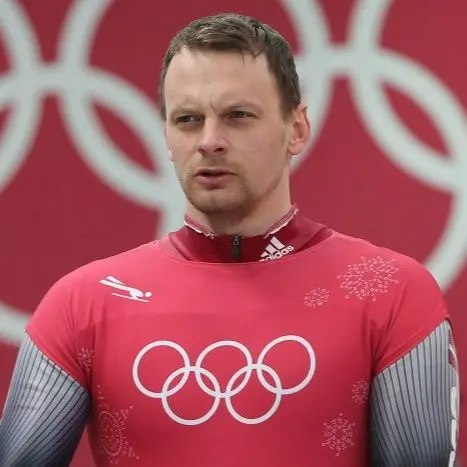
Tomass Dukurs Biography: Parents, Height, Age, Brother, Olympic Medals, Ethnicity, Net Worth
Tomass Dukurs, is a respected Latvian skeleton racer who competed at the highest level for over two decades alongside his more decorated younger brother Martins Dukurs.
He represented Latvia in three Winter Olympics, achieving his best results with fourth-place finishes in the men’s skeleton event at Vancouver 2010 and Sochi 2014 (later potentially elevated due to doping reallocations in some discussions).
Trending Now!!:
Known for his consistency on the IBSF World Cup circuit, including a breakthrough win in 2004 and a long-awaited second victory in Sigulda in 2021 after an 18-year gap, Dukurs earned one European Championship gold (shared in 2016), multiple silver and bronze medals at Europeans, and a bronze at the 2015 World Championships in Winterberg.
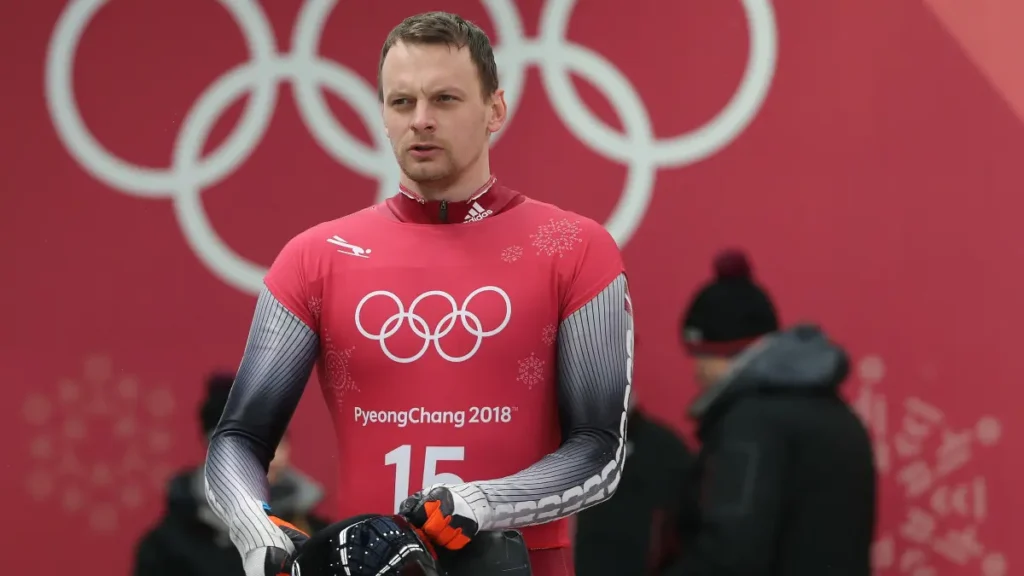
Profile
- Full Name: Tomass Dukurs
- Born: 2 July 1981
- Age: 44 years old
- Birthplace: Riga, Latvia
- Nationality: Latvian
- Occupation: Former Skeleton Racer
- Height: 1.86 m
- Parents: Dainis Dukurs and Marina Dukure
- Siblings: Martins Dukurs
- Spouse: Karīna Makare
- Children: Darels Dukurs
- Relationship: Married
- Net Worth: $1 million
Early Life and Education
Tomass Dukurs was born on July 2, 1981, in Riga, Latvia. He grew up in Sigulda with his parents, Dainis Dukurs, a former bobsleigh brakeman, track manager, and coach, and Marina Dukure.
He has one younger sibling, his brother Martins Dukurs, who also became a top skeleton racer. Tomass took up skeleton in his mid-teens after his father introduced the sport to the family in 1994 when he began managing the Sigulda track.
He focused on sliding sports early while balancing general education, though specific schools or degrees remain undisclosed in public sources. He is of Latvian ethnicity and has not publicly disclosed his religion.
Career
Tomass Dukurs launched his skeleton career in 1998 under his father’s coaching at the Sigulda track, where the family lived nearby. He made his international debut soon after and competed in his first major events, including the 2002 Salt Lake City Winter Olympics as part of the Latvian team.
His early breakthrough arrived in February 2004 with a World Cup victory in Sigulda, becoming the first Latvian to win a men’s skeleton World Cup race.
He built steady results on the IBSF circuit, often finishing behind his brother but maintaining top-ten consistency and contributing to Latvia’s sliding legacy.
Dukurs achieved key highlights across multiple Olympics and championships, placing fourth at Vancouver 2010 and Sochi 2014 in men’s skeleton.
He secured a bronze medal at the 2015 IBSF World Championships in Winterberg, shared a European Championship gold with his brother in 2016, and collected several silver and bronze medals at European level events.
His career included strong World Cup performances, with podium finishes and track experience that made him a reliable competitor in a field dominated by his sibling’s records.
He navigated the challenges of family rivalry and high-level pressure while representing Latvia faithfully.
Tomass Dukurs ended his elite racing days after years of dedication, with his final notable win coming in Sigulda in December 2021—his second World Cup victory after an 18-year interval.
His influence persists through family ties to the sport, including his son’s emerging path in ice hockey, and the Dukurs name remains synonymous with Latvian excellence in skeleton.
He leaves a record of resilience, podium achievements, and contributions to the sliding community that supported his brother’s dominance.
Social Media
- Instagram Handle: Unknown
- Facebook Handle: Unknown
- Twitter Handle: Unknown
Personal Life
Tomass Dukurs married Karīna Makare and the couple has one son, Darels Dukurs, who has pursued ice hockey at the U18 national level for Latvia.
Tomass maintains a private family-oriented lifestyle in Latvia, focusing on home life and occasional ties to winter sports while stepping back from the intense demands of competition.
Net Worth
Tomass Dukurs has an estimated net worth of $1 million. His main sources of income came from IBSF World Cup prize money, Olympic participation bonuses, national sports funding in Latvia, and any sponsorships or endorsements tied to his long career in skeleton racing.
NOTICE!! NOTICE!! NOTICE!!
At TheCityCeleb, we strive to provide accurate and up-to-date biographies and entertainment news, focusing on celebrities. Our editorial team researches information from reputable sources, including interviews, official statements, and verified media.If you spot an error or have additional details, please contact us at editor@thecityceleb.com. We value your feedback and are committed to maintaining trustworthy content.