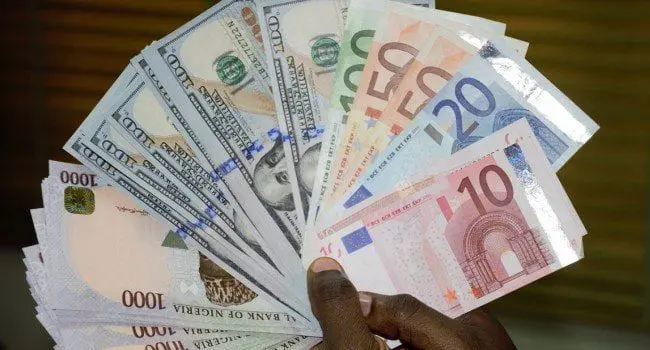
Aboki Naira to Dollar Black Market Exchange Rate Today, 28th January 2026
The Nigerian Naira continues to show relative stability in the parallel market (commonly known as the black market or Aboki rate) amid ongoing economic pressures and foreign exchange dynamics.
As of today, January 28, 2026, the black-market exchange rate for the US Dollar to Naira hovers between ₦1,480 and ₦1,490 per $1, according to aggregated updates from Bureau de Change (BDC) operators, street traders, and popular tracking platforms, as well as various Aboki-affiliated sources.
Trending Now!!:
- Buy Rate (what dealers pay for dollars): Approximately ₦1,480–₦1,485 per USD.
- Sell Rate (what you get when buying dollars): Around ₦1,490 per USD in major cities, including Lagos, Abuja, Port Harcourt, and Kano.
Rates can vary slightly depending on location, transaction volume, and dealer. For instance, recent trader comments from Abuja’s Wuse Zone indicate buy rates as low as ₦1,480 and sell rates up to ₦1,490, with some noting a preference for face-to-face deals for larger amounts.
This stability follows a pattern observed in late January, where parallel market rates have fluctuated narrowly between ₦1,475 and ₦1,496 in recent days. The premium over the official market remains modest compared to previous years, reflecting improved forex liquidity from Central Bank of Nigeria (CBN) interventions and inflows.
For comparison:
- The official NFEM rate (CBN-weighted average) stands near ₦1,419 per USD, according to recent data, narrowing the gap with the parallel market to roughly 4–5%.
- Analysts attribute the steadiness to sustained policy measures, though high import demand and seasonal factors could introduce volatility.
Traders and users are advised to verify rates in real time through trusted BDC operators or apps like Aboki Forex, as black-market figures change rapidly and are unregulated. Caution is recommended when transacting to avoid fraud, with face-to-face exchanges preferred for larger sums.
The Naira’s performance remains closely watched as Nigeria navigates import reliance, oil price influences, and broader macroeconomic reforms in 2026. Stay updated via reliable sources for the most accurate figures.