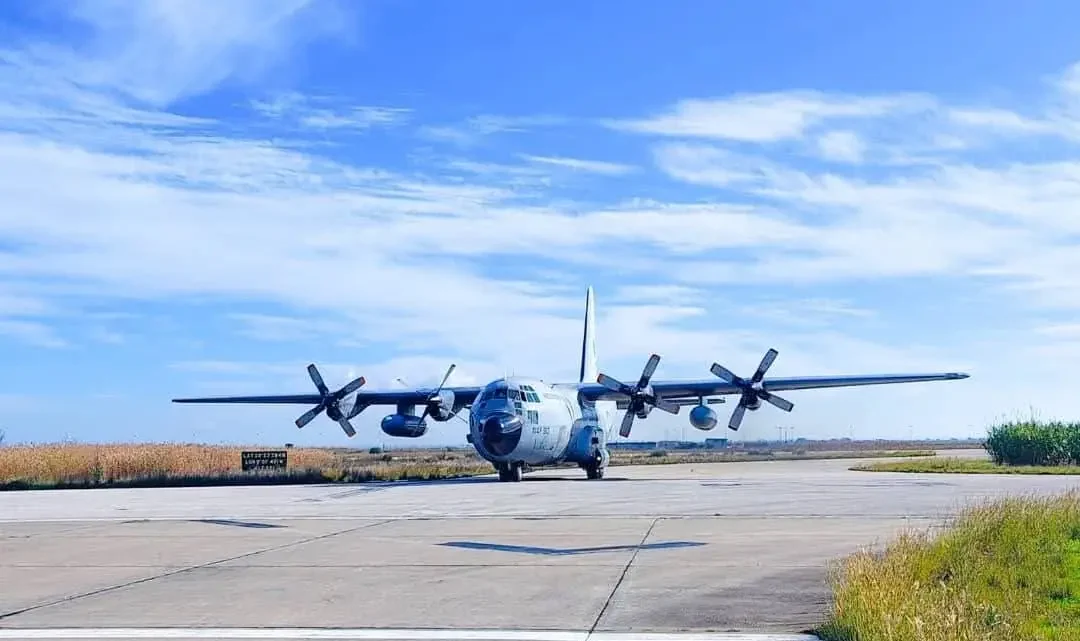
NAF UNLEASHES HELL: Precision Airstrikes Cripple Terrorists in North-East, North-West
The thunder never stopped.
For two relentless days—January 1 to 2—the Nigerian Air Force turned the skies over Nigeria’s troubled north into a no-fly zone for terrorists, unleashing wave after wave of intelligence-guided airstrikes that shredded hideouts, stockpiles, and convoys in both the North-East and North-West.
Trending Now!!:
Air Commodore Ehimen Ejodame, NAF Director of Public Relations and Information, laid it bare in a Friday statement: these weren’t random runs. They were surgical, built on weeks of persistent surveillance tracking terrorist intent, movement, and logistics.
Air assets from Operations Hadin Kai (North-East) and Fasan Yamma Sector 2 (North-West) struck hard, denying the enemy freedom of movement, operational depth, and sanctuary. Deep in the North-East’s infamous Timbuktu Triangle, jets zeroed in on Abirma and Chiralia—concealed enclaves buzzing with activity.
Intelligence confirmed the sites as hubs for improvised explosive device (IED) production and attack planning. The strikes hit with devastating accuracy: structures obliterated, multiple secondary explosions ripping through the air—clear signs that explosive stockpiles and critical logistics went up in flames.
Follow-on missions pounded Guva in the Mandara Mountains, smashing storage facilities and coordination nodes that terrorists relied on to regroup and resupply. The message was unmistakable: no corner of the mountains is safe.
Simultaneously, the campaign shifted west. In Katsina State’s Matazu LGA, around the forested convergence point of Karaduwa Giginya Na, NAF platforms tracked large motorcycle convoys—terrorists on the move.
The interdiction was decisive: post-strike battle damage assessments, backed by local feedback, confirmed dozens of neutralised targets, scores of motorcycles reduced to scrap, and assorted weapons eliminated.
Ejodame stressed the bigger picture: these sustained multi-theatre operations showcase NAF’s overwhelming airpower presence, lightning-fast strike capability, and iron resolve to dismantle terrorist networks root and branch.
“The Nigerian Air Force remains committed to protecting civilians, supporting national security objectives, and restoring peace and stability across all theatres,” he assured, promising the campaign will press on with precision, persistence, and professionalism in lockstep with ground forces.
For communities long terrorised by raids, kidnappings, and ambushes, the roar of jets overhead now carries a different meaning: not fear, but deliverance. From Timbuktu’s shadows to Katsina’s forests—one relentless sky, clearing the ground below.