Only Prepared Companies Will Thrive As Nigeria’s Logistics Sector Booms
Nigeria’s logistics industry is experiencing unprecedented growth, fueled by the explosive rise of e-commerce, expanding retail networks, and surging demand for efficient corporate mobility.
As online shopping surges—with the sector projected to reach billions in revenue by the end of the decade—the movement of goods and people across the country is being transformed.
Trending Now!!:
Yet amid this momentum, a silent threat lurks: hidden automotive inefficiencies that quietly drain profits, disrupt operations, and undermine performance.
These issues don’t announce themselves with fanfare. They creep in subtly:
- A vehicle lingers an extra day in the workshop.
- Fuel consumption spikes by 18%.
- A preventable transmission fault emerges.
- A delayed delivery costs a valuable client.
Individually tolerable. Collectively?
They bleed Nigerian businesses of millions of naira annually. This is the challenge that forward-thinking automotive partners like those specializing in fleet solutions help businesses overcome.
The Untold Cost of Automotive Inefficiency
From evaluations of over 30 logistics and corporate fleets in Lagos, Abuja, and Port Harcourt, four persistent patterns emerge:
These inefficiencies rarely announce themselves dramatically. They emerge gradually:
- A vehicle spends an extra day in the workshop.
- Fuel consumption rises by 18%.
- A driver reports a transmission issue that could have been prevented months earlier.
- A delayed delivery leads to a lost client.
Individually, these may seem manageable. Collectively, they cost Nigerian companies millions of naira each year. This is the silent challenge AUTOLIN Motors helps businesses address.
The Untold Cost of Automotive Inefficiency in Nigeria
Across more than 30 logistics and corporate fleets evaluated by AUTOLIN Motors in Lagos, Abuja, and Port Harcourt, four recurring patterns consistently emerge.
1. Vehicles Are Used, but Not Managed
Many companies track mileage but fail to monitor overall vehicle health:
- No diagnostics
- No performance analytics
- No lifecycle planning
The result: unexpected breakdowns that compromise reliability and disrupt service delivery.
aarescuenigeria.com
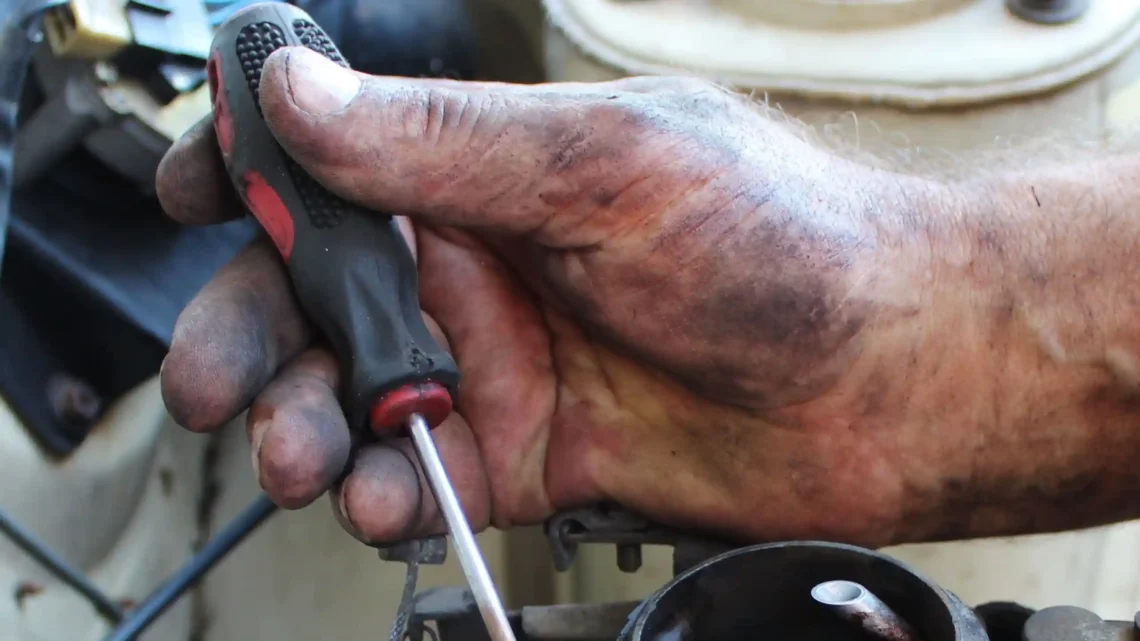
Vehicle recovery and roadside repairs, illustrating the impact of unexpected breakdowns.
2. Reactive Maintenance Instead of Predictive Maintenance
Too many fleets operate on a “fix it when it fails” model. In today’s fast-paced logistics environment, reactive maintenance leads to longer downtimes, higher repair costs, and operational instability.
Predictive maintenance is no longer optional—it is a competitive requirement.
3. Poor Vehicle Matching for Business Use Cases
In several cases, vehicles are simply not aligned with operational needs:
- Delivery companies using SUVs for short-haul dispatch
- Corporate brands deploying sedans where crossovers are more suitable
- Rental fleets operating vehicles with poor fuel efficiency
This mismatch inflates fuel costs, accelerates wear and tear, and reduces overall return on investment.
4. Fragmented Automotive Partnerships
Many businesses rely on multiple vendors for:
- Procurement
- Maintenance
- Technical support
- Replacements
- Rentals
This fragmentation leads to inconsistent service quality, extended downtimes, and a lack of clear accountability.
Professional auto dealership and fleet management centre in Nigeria.
These inefficiencies are more than operational inconveniences. They are profit leaks.
In a rapidly expanding logistics market, only companies that recognize and address them early—through partners like AUTOLIN Motors—will be positioned to scale sustainably and thrive.