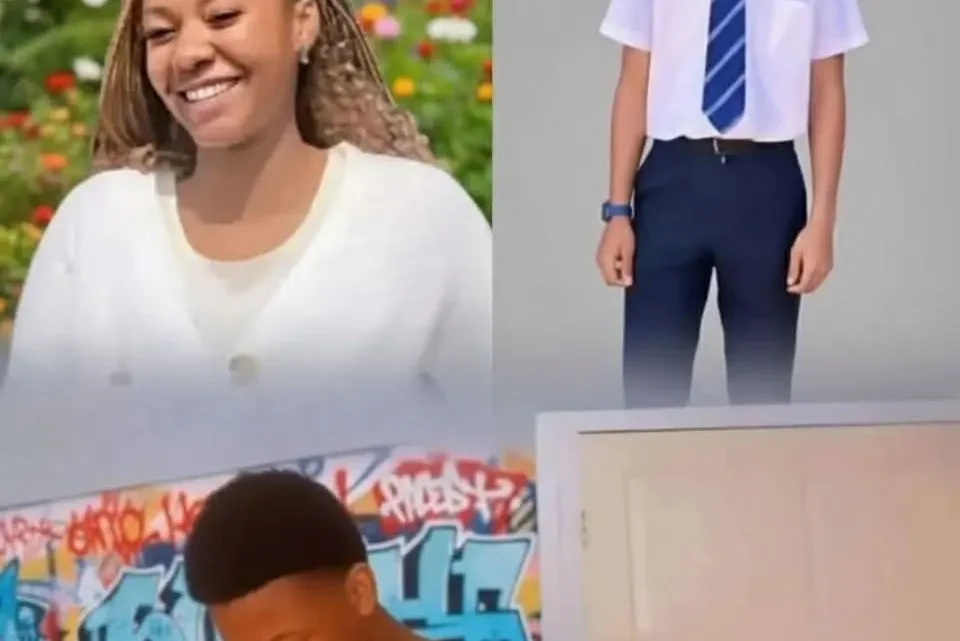
US-Based Makedenge Denies Raping Harare Schoolboy
She flew in from Atlanta like a promise of escape. Zvikomborero Maria Makedenge, 33, a Zimbabwean makeup artist and entrepreneur based in the United States, landed in Harare this summer with big dreams for a young admirer.
What started as flirtatious texts and a chance meeting in Glen View suburb on August 2 twisted into something darker—or consensual, depending on who you ask.
Trending Now!!:
Now, she’s standing in the dock at the Harare Magistrates Court, charged with sexually assaulting a 16-year-old boy. Prosecutors paint a grim picture: Makedenge allegedly forced herself on the minor in a private encounter, then dangled the carrot of a US visa and financial support to seal his silence.
“Non-consensual acts,” the state thunders, arguing the boy’s youth voids any claim of mutual desire. Makedenge? She’s unbowed. Her legal team entered a not-guilty plea last week, insisting that the age of consent in Zimbabwe is 16, applicable to all genders.
“It was between two willing parties,” her lawyer argued in court, slamming the prosecution’s case as a moral panic over reversed roles. Bail was denied; she’s remanded until January, the judge citing flight risk and the gravity of exploiting a minor.
The story leaked through a haze of social media videos—grainy clips circulating that showed the pair in seemingly affectionate moments: her laughing, him beaming in a school tie. “If he looked happy, does that make it okay?” one clip taunts, racking views like wildfire. But courts don’t run on likes. “Social media is not legal proof,” the magistrate warned, echoing global warnings on viral vigilantism.
Zimbabwe’s laws are clear on paper: 16 is the line for consent, but courts probe power imbalances, coercion, and grooming. Makedenge‘s US base adds irony—stateside, she’d face federal heat for crossing borders with intent. Back home, it’s a mirror to the nation’s uneven justice: girls’ stories dominate headlines, boys’ whispers fade.
The boy? Nameless in reports, shielded by privacy rules, but his family’s silence screams volumes. Did promises of America blind him? Or was it a betrayal that broke him?
Makedenge awaits trial from a cell, her Atlanta empire on pause. One woman’s dream vacation. One boy’s shattered summer. In the court of public fury, the verdict’s already split—by gender, by grainy proof, by who gets to define “consent.” When the law meets the lens of a phone camera, who blinks first?