Aboki Naira to Dollar Black Market Exchange Rate Today, 11th April 2026
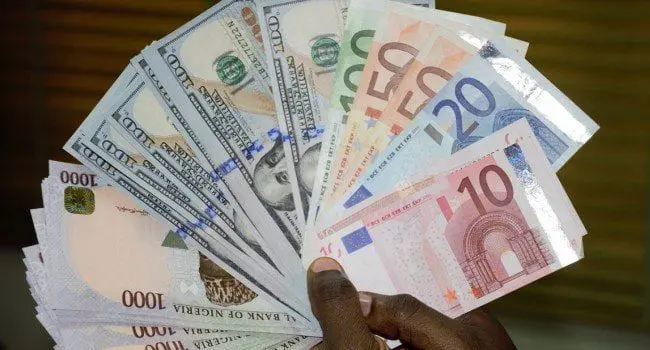
As of Saturday, April 11, 2026, the Naira continued to trade under pressure in Nigeria’s parallel market, with the US Dollar exchanging at approximately ₦1,400 to ₦1,410.
Dealers in major cities like Lagos and Abuja quoted buying rates around ₦1,390 to ₦1,400 per dollar, while selling prices hovered between ₦1,405 and ₦1,410, reflecting tight supply and steady demand from importers and individuals seeking foreign currency for travel or business needs.
Trending Now!!:
This level marks a relatively stable position compared to earlier in the week, though the gap between the black market and the official Central Bank of Nigeria rate—currently around ₦1,359 per dollar—remains noticeable, highlighting ongoing segmentation in the forex market.
Market participants attributed the firmness in the parallel rate to persistent demand for dollars amid limited inflows from oil exports and diaspora remittances. Many businesses still rely on the black market for quick access to foreign exchange, especially for transactions not fully covered by official windows. Currency traders reported moderate activity on Friday, with some dealers noting slight upward ticks in selling prices toward the close of business.
For context, 100 US dollars would currently fetch between ₦140,000 and ₦141,000 in the parallel market, while larger sums like 1,000 dollars could cost buyers upwards of ₦1.405 million to ₦1.41 million depending on the dealer and location. Rates can vary slightly by city and time of day, so individuals are advised to confirm with trusted sources before transacting.
Analysts expect the Naira to face continued tests in the coming days if foreign reserves do not see significant boosts or if global oil prices fluctuate. Nigerians planning international payments or travel are monitoring developments closely, as even small shifts in the black market can impact costs substantially. Overall, the parallel market remains a key barometer for the local currency’s real-world strength against the greenback.