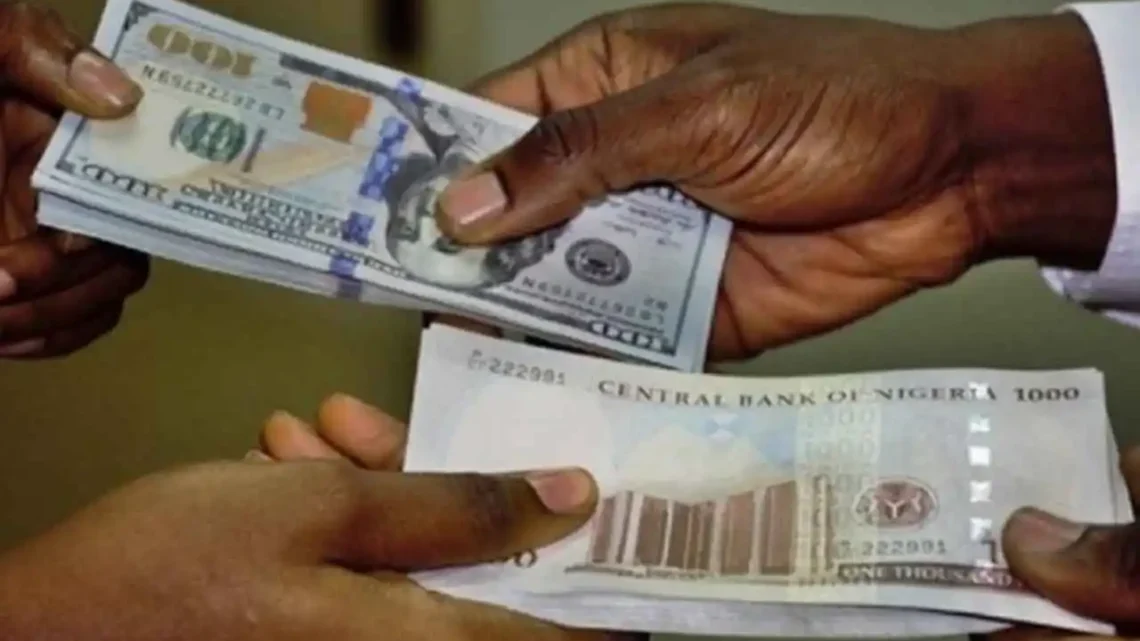
Aboki Naira to Dollar Black Market Exchange Rate Today, 11th February 2026
The Aboki Naira to Dollar black market exchange rate today, February 11, 2026, stands at approximately ₦1,445 to ₦1,455 per US Dollar in the parallel market, according to aggregated updates from platforms like Aboki Forex, NgnRates user reports, and sources tracking informal trades in major cities such as Lagos, Abuja, Port Harcourt, and Kano.
The selling rate—what buyers typically pay for one dollar—ranges around ₦1,450 to ₦1,455, while the buying rate—what sellers receive—sits closer to ₦1,435 to ₦1,445, with minor variations depending on the dealer, location, and time of day. This reflects a stable pattern from recent sessions, showing little overnight change from February 10 levels that hovered between ₦1,440 and ₦1,455 for selling.
Trending Now!!:
In contrast, the official window under the Central Bank of Nigeria (CBN) and Nigerian Foreign Exchange Market (NFEM) trades much lower, with mid-morning averages around ₦1,351 to ₦1,355 per dollar and closing references near ₦1,349 to ₦1,354, highlighting a persistent premium of roughly ₦100 in the informal segment.
The gap persists amid ongoing supply management, steady external reserves supporting liquidity, and the CBN’s directives to boost dollar flows to bureau de change operators, which have helped anchor official rates while the parallel market remains influenced by retail demand pressures.
The Naira has shown resilience in early February 2026, with no major volatility reported today, and cautious stability prevailing amid moderating inflation signals and consistent monetary policy at the current MPR level.
Black market rates fluctuate naturally in this unregulated space, so real-time verification through trusted local exchangers or sites like abokiforex.app, ngnrates.com, or similar aggregators is recommended for the most accurate quotes.
Transactions carry inherent risks, and caution is advised as these figures are crowd-sourced or dealer-reported rather than CBN-regulated. Forex developments can shift rapidly with policy news or inflows, so monitoring remains key for anyone engaged in currency dealings.