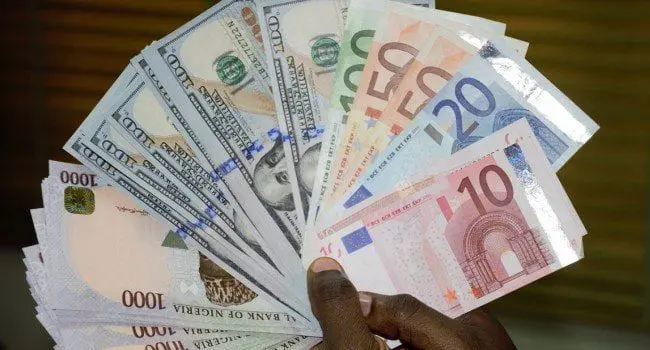
Aboki Naira to Dollar Black Market Exchange Rate Today, 1st April 2026
As of Wednesday, April 1, 2026, the Nigerian naira traded at approximately ₦1,420 per US dollar in the black market (also known as the parallel or Aboki forex market), according to popular tracking platforms like Aboki Forex.
Dealers were reportedly buying dollars at around ₦1,420 and selling at ₦1,426, reflecting a relatively narrow spread amid ongoing demand for foreign currency.
Trending Now!!:
Other sources monitoring street-level transactions in major cities like Lagos and Abuja showed slight variations, with buy rates hovering near ₦1,410 and sell rates reaching up to ₦1,430 in recent dealer reports. This indicates the naira has maintained a stable position in the informal segment entering the new month, with minimal day-to-day fluctuation observed over the past few days.
For comparison, the official Central Bank of Nigeria (CBN) rate in the Nigerian Foreign Exchange Market (NFEM) stood significantly stronger at roughly ₦1,383–1,386 per dollar in late March data. The gap between the official and parallel rates continues to highlight persistent liquidity challenges and high demand for dollars outside regulated channels, often driven by importers, travelers, and businesses seeking quicker access to foreign exchange.
Key Highlights for April 1, 2026:
- Black Market (Parallel) Rate: ₦1,420 – ₦1,426 per $1 (buy/sell)
- Official CBN/NFEM Rate: Approximately ₦1,383–1,386 per $1
- Related Currencies (Black Market approx.):
- British Pound (GBP): ₦1,900 – ₦1,925
- Euro (EUR): ₦1,600 – ₦1,640
Market participants note that rates can shift quickly based on supply from diaspora remittances, oil revenues, and interventions by the monetary authorities. Analysts suggest that sustained stability in the parallel market may depend on improved dollar inflows and efforts to narrow the premium between official and unofficial windows.
Advice for Nigerians: Always verify rates from multiple reliable sources before transacting, as black market figures can vary by location and dealer. For official dealings, the CBN window remains the regulated benchmark, though availability can be limited.
This update is based on real-time aggregator data and should be treated as indicative only—currency markets are volatile, and actual rates at the point of exchange may differ. Stay tuned for further developments as the Central Bank continues its forex unification policies.