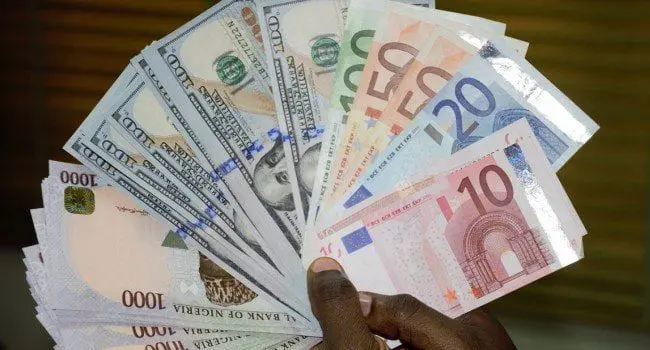
Aboki Naira to Dollar Black Market Exchange Rate Today, 23rd March 2026
As of March 23, 2026, the Nigerian Naira continued to show relative stability in the parallel market, commonly known as the black market or Aboki rate, amid ongoing economic pressures and foreign exchange dynamics.
According to popular trackers like Aboki Forex, the black market exchange rate for 1 US Dollar stood at approximately ₦1,395 (buying/selling around this level in recent updates from the platform). This figure reflects trader quotes from the informal sector, where rates often fluctuate based on daily supply and demand from individuals, small businesses, and Bureau de Change (BDC) operators.
Trending Now!!:
Other parallel market sources, including reports from Lagos street dealers and platforms like NgnRates and Nairatoday, indicated a slightly higher range, with the US Dollar selling between ₦1,410 and ₦1,430 in some locations. This premium over the official rate highlights persistent demand for foreign currency outside regulated channels, driven by needs such as international payments, travel, and imports.
In contrast, the official Central Bank of Nigeria (CBN) rate hovered around ₦1,353–₦1,357 per dollar in the Nigerian Foreign Exchange Market (NFEM), showing the Naira maintaining a firmer position in the formal window compared to the informal one. The gap between official and parallel rates narrowed to roughly ₦50–₦80, a narrower spread than in previous periods of higher volatility.
Market observers note that recent CBN interventions, including liquidity adjustments and policy measures to boost forex inflows, have contributed to this steadier trend. However, factors like global oil prices, inflation concerns, and seasonal demand continue to influence trader sentiment in the parallel market.
For real-time updates, Nigerians are advised to consult trusted platforms such as Aboki Forex or local BDC operators, as rates can vary by location, transaction size, and time of day. Economic analysts urge caution in informal exchanges due to risks associated with unregulated dealings.
The Naira’s performance remains a key indicator of broader economic health, with stakeholders closely watching for any shifts in policy or external factors that could impact future rates.