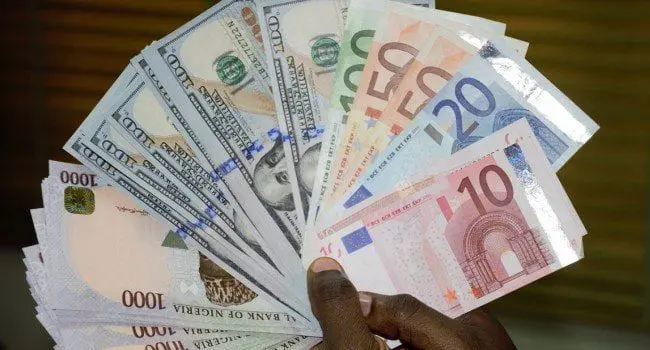
Aboki Naira to Dollar Black Market Exchange Rate Today, 2nd December 2025
As Nigeria edges closer to the festive season, the parallel market—affectionately dubbed the “Aboki” exchange by street traders—saw the US Dollar hold firm against the Naira, trading at a selling rate of ₦1,475 per unit in major hubs like Lagos, Abuja, Port Harcourt, and Kano.
This marks a marginal uptick from yesterday’s close of ₦1,470, signalling persistent pressure on the local currency despite glimmers of stability in official channels.
Trending Now!!:
Market insiders, speaking on condition of anonymity amid the unregulated bustle of Wuse Market in Abuja and Alaba International in Lagos, attributed the slight depreciation to heightened dollar demand from importers stocking up on holiday goods.
“It’s the Christmas rush starting early—electronics, rice, even toys for the kids,” one trader quipped, while fanning himself against the midday heat. Buying rates, meanwhile, lingered around ₦1,460, creating a narrow ₦15 spread that savvy diaspora remitters and small-scale exporters are quick to exploit.
For context, this means exchanging $1,000 in the black market today would fetch approximately ₦1,460,000 at buy rates—a lifeline for households battling inflation rates hovering near 25%, but a stark reminder of the Naira’s year-to-date slide from peaks above ₦1,600 in mid-2025.
Compared to the Central Bank of Nigeria‘s (CBN) official Investors & Exporters window, which closed yesterday at around ₦1,450 per Dollar, the Aboki premium underscores the parallel market’s role as a barometer for grassroots economic woes.
Economists remain cautiously optimistic. “The plateau at ₦1,475 offers importers a fleeting breather, but with oil prices volatile and subsidy removal echoes still rippling, we could test ₦1,500 by mid-December if OPEC+ quotas falter,” warned Dr. Aisha Bello of Nairametrics in a recent briefing.
Bolstering this view, real-time trackers like AbokiFX and TheCityCeleb reported consistent quotes across user-submitted data from bureau de change operators, with no major disruptions from regulatory crackdowns.
On a brighter note, subdued remittance flows via Western Union and MoneyGram—pegged at similar black-market levels—have tempered volatility, while crypto dealers in Lagos’ Yaba tech hub whisper of alternative hedges, like stablecoins, gaining traction among youth wary of fiat fluctuations.
As the day unfolds, traders advise caution: Verify rates via trusted apps before transacting, and watch for CBN interventions. With GDP growth forecasts trimmed to 3.2% for the year, the Aboki rate’s dance will likely set the tone for Nigeria’s end-of-year economic narrative. Stay tuned for hourly updates as the parallel pulse beats on.
Rates sourced from aggregated parallel market reports and may vary by location and time. Official CBN data for comparison: ₦1,450 (I&E window).