Aboki Naira to Dollar Black Market Exchange Rate Today, 3rd April 2026
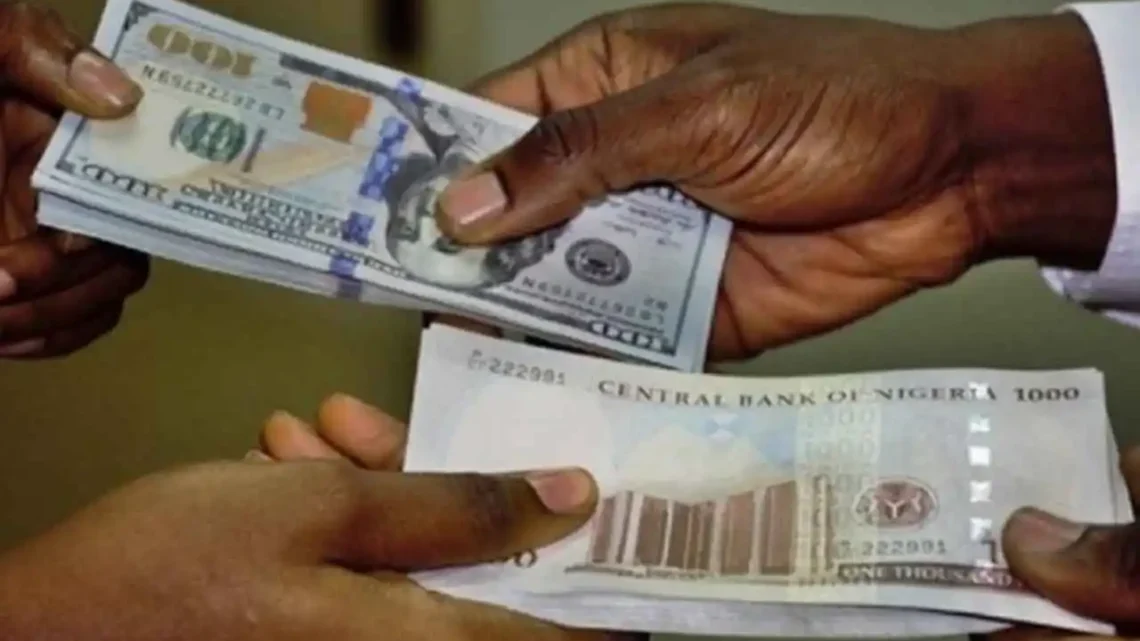
The Nigerian Naira remained relatively stable against the US Dollar in the parallel (black) market on Friday, 3rd April 2026, with the Aboki rate hovering around ₦1,400 per dollar.
According to popular Aboki Forex platforms and black market aggregators, the buying rate for one US Dollar stood at approximately ₦1,400, while the selling rate was quoted at ₦1,410. This reflects little to no significant movement from the rates recorded on 2nd April 2026.
Trending Now!!:
Other parallel market trackers reported slightly varied figures depending on location and dealer:
- Average black market rates around ₦1,390 – ₦1,410 (buy/sell spread).
- Some Lagos and Onitsha dealers quoted selling rates as high as ₦1,425 in isolated transactions earlier in the week, but the consensus Aboki-style rate for retail exchanges stayed near the ₦1,400–1,410 band.
For comparison, the official Central Bank of Nigeria (CBN) rate (NFEM/window) was trading around ₦1,378 – ₦1,380 per dollar, meaning the gap between the official and parallel markets narrowed to roughly ₦20–40 per dollar — one of the tighter spreads observed in recent months.
Other Major Currencies (Black Market, approx.)
- British Pound (GBP): Buy ₦1,880 | Sell ₦1,905
- Euro (EUR): Buy ₦1,600 | Sell ₦1,620–1,645
Market analysts attribute the current stability to improved dollar liquidity from recent CBN interventions, higher oil revenues, and moderated demand pressure during the early days of Q2 2026. However, traders remain cautious, warning that any spike in dollar demand from importers or seasonal factors could quickly widen the parallel market premium.
Note: Black market rates (often called “Aboki rates”) are determined by street-level Bureau de Change (BDC) operators and can vary slightly by location, volume, and time of day. They are not officially regulated and are provided here for informational purposes only.
Advice for the public: Always verify rates with trusted local exchangers before transacting, and consider using official banking channels where possible for larger amounts to avoid risks associated with the parallel market.
The Naira’s performance will continue to be closely watched in the coming days as economic stakeholders monitor inflows and policy directions from the Central Bank.