Aboki Naira to Dollar Black Market Exchange Rate Today, 3rd December 2025
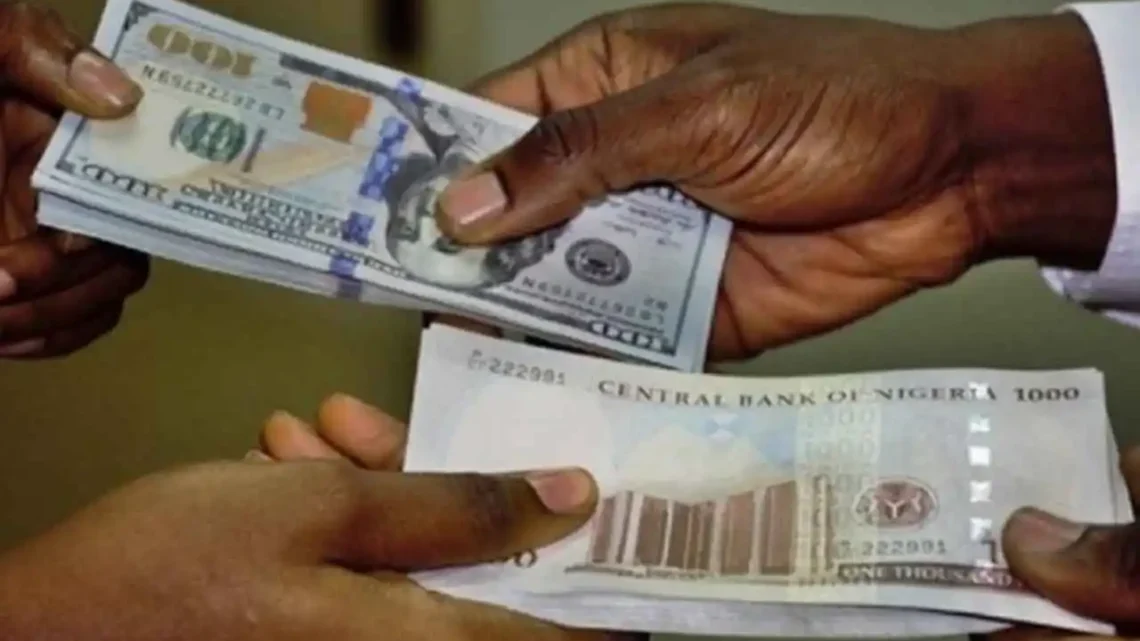
As Nigeria navigates the build-up to the holiday season, the black market exchange rate for the US Dollar against the Naira remained largely unchanged today, with street traders—commonly known as “Aboki“—quoting a selling rate of ₦1,475 per USD in key cities including Lagos, Abuja, Port Harcourt, and Kano.
This marks a slight stabilization from the marginal uptick observed on December 2, when the rate closed at the same level, reflecting ongoing volatility in the parallel market despite interventions from the Central Bank of Nigeria (CBN).
Trending Now!!:
Market observers noted that buying rates hovered around ₦1,460, creating a narrow spread of ₦15 that continues to attract small-scale traders, diaspora remitters, and importers seeking alternatives to official channels.
For context, exchanging $1,000 in the black market today would yield approximately ₦1,460,000 at the buy rate—a practical but precarious option for households grappling with inflation rates that have climbed above 25% year-to-date.
Compared to the CBN’s official Investors & Exporters (I&E) window, which settled around ₦1,450 per USD yesterday, the Aboki premium of roughly ₦25 underscores the parallel market’s role as a real-time gauge of grassroots economic strains.
“This stability is a fragile one,” said economic analyst Chinedu Okoro, speaking to reporters in Lagos. “With GDP growth forecasts for 2025 now pegged at a modest 3.2% and oil revenues—Nigeria’s economic lifeline—remaining inconsistent due to global price fluctuations, the Naira could face renewed pressure if foreign inflows don’t pick up before year-end.”
The parallel market, often dubbed the “Aboki exchange” after the Hausa traders who dominate street-level transactions, has seen the Naira depreciate by over 20% since mid-2025, exacerbating costs for imported goods like electronics, vehicles, and holiday staples.
Broader currency trends echoed this caution. The British Pound traded at a buying rate of ₦1,910 and selling at ₦1,960, while the Euro fetched ₦1,660 to buy and ₦1,700 to sell in the black market. These rates, aggregated from real-time reports by platforms like AbokiFX and NgnRates, highlight the Naira’s broader weakness against major currencies, driven by factors including reduced foreign direct investment and heightened demand for dollars ahead of December’s festive spending surge.
The CBN has signaled potential further rate unification efforts to bridge the gap between official and parallel markets, but analysts warn that without addressing underlying issues like fiscal deficits and subsidy removals, such measures may only offer temporary relief. For now, Aboki traders in bustling areas like Wuse Market in Abuja and Alaba International Market in Lagos reported brisk but cautious activity, with one vendor noting, “Successful transaction is better than high rate—people are holding back, waiting to see if it drops.”
As Nigeria’s economy teeters on the edge of recovery, today’s rates serve as a reminder of the parallel market’s enduring influence on everyday finances. Stay tuned for hourly updates, as these figures can shift rapidly with new dollar inflows or policy announcements. For live conversions and alerts, resources like AbokiFX remain essential tools for navigating this fluid landscape.