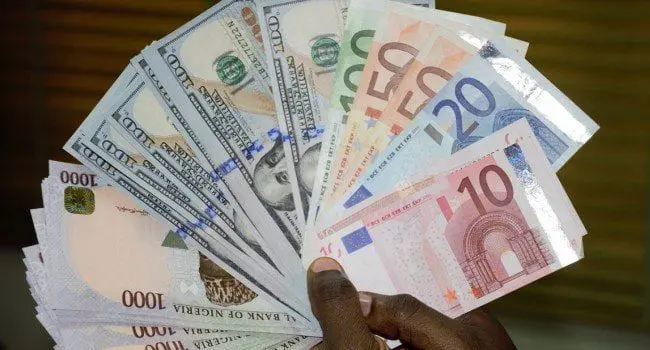
Aboki Naira to Dollar Black Market Exchange Rate Today, 4th April 2026
As of Saturday, April 4, 2026, the Nigerian naira continued to trade at a premium in the parallel market against the US dollar, with exchangers quoting around 1,400 naira for buying one dollar and up to 1,410 naira for selling. This rate, widely tracked through popular platforms like Aboki Forex, reflects the ongoing dynamics of cash-based transactions outside official channels, where demand for foreign currency often outpaces readily available supply.
Market participants noted relatively stable conditions compared to recent sessions, with minimal shifts observed over the past 24 hours. The black market rate hovered near levels seen in the preceding days, influenced by typical weekend liquidity patterns and steady importer needs for dollars. In contrast, the official window managed by the Central Bank of Nigeria showed the naira at approximately 1,379 naira per dollar, underscoring the persistent gap between regulated and unregulated segments of the forex market.
Trending Now!!:
Traders attributed the current pricing to a combination of sustained dollar scarcity in the formal system and cautious sentiment among buyers wary of further volatility. For everyday users converting smaller amounts, 100 US dollars would fetch roughly 140,000 naira at the prevailing black market buy rate. Meanwhile, related currencies followed suit, with the British pound changing hands between 1,880 and 1,905 naira, and the euro around 1,600 to 1,625 naira in parallel deals.
Analysts monitoring Nigeria’s foreign exchange landscape point to broader economic factors, including oil revenue inflows and policy interventions, as key influences on future movements. While the parallel market provides quick access for those needing immediate cash dollars, participants are advised to verify rates locally, as they can vary slightly by location and transaction volume. The situation remains fluid, with many keeping a close eye on developments in the coming week for any signs of tightening or easing pressures.