Aboki Naira to Dollar Black Market Exchange Rate Today, 4th February 2026
The Nigerian Naira has maintained relative stability in the parallel market (commonly known as the black market or Aboki FX) amid ongoing economic reforms and improved foreign reserves.
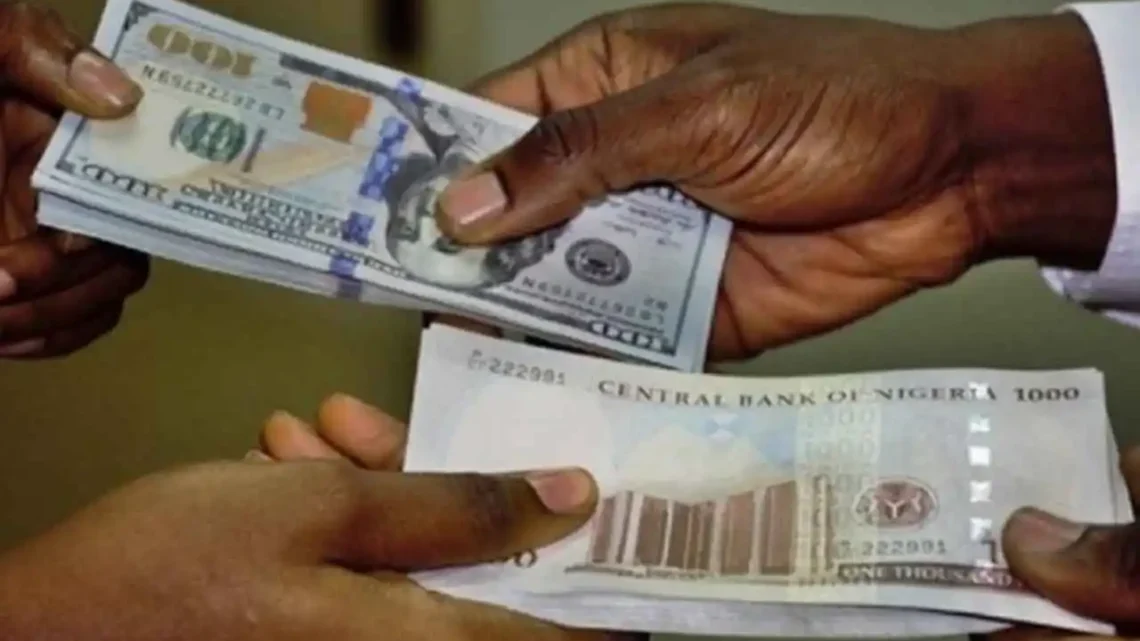
According to aggregated data from popular trackers like Aboki Forex platforms, nairatoday.com, and user-reported rates from major cities including Lagos, Abuja, Port Harcourt, and Kano, the black market exchange rate for 1 US Dollar today stands at approximately ₦1,455 (selling rate).
Trending Now!!:
This reflects a buy rate around ₦1,435 to ₦1,445, with minimal change (around 0%) from recent sessions.
- Selling Rate (what buyers pay for $1): ₦1,455
- Buying Rate (what dealers pay for $1): ₦1,435–₦1,445
- Some sources, including Aboki-related apps and converters, quote slightly lower at around ₦1,445 for selling, while others in Lagos and user comments on platforms like NgnRates.com report averages closer to ₦1,460.
This parallel market premium persists over the official Nigerian Foreign Exchange Market (NFEM) rate, which opened around ₦1,387–₦1,388 per dollar today, with Bureau De Change operators in commercial hubs quoting between ₦1,460–₦1,475 in some reports.
The stability comes as Nigeria’s external reserves remain robust, supporting the Naira’s value and reducing volatility. Analysts note that while the gap between official and black market rates has narrowed compared to previous years, demand pressures from importers and seasonal factors continue to influence parallel quotes.
Rates can vary by location, dealer, transaction size, and time of day—always verify with trusted local Aboki (street exchangers) or BDC operators for the most accurate real-time quote. Official channels via the Central Bank of Nigeria (CBN) or licensed banks remain recommended for larger or formal transactions to avoid risks associated with informal markets.
For live updates, check platforms like abokiforex.app, nairatoday.com, or ngnrates.com. The economic outlook remains cautiously optimistic, with experts pointing to sustained reforms as key to further strengthening the Naira.