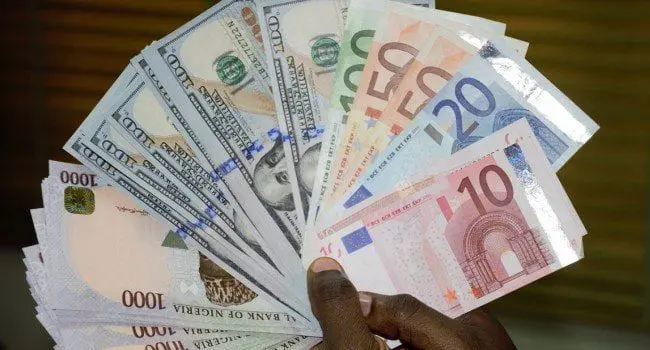
Aboki Naira to Dollar Black Market Exchange Rate Today, 5th April 2026
As of Sunday, April 5, 2026, the Nigerian naira continued to trade at a noticeable premium in the parallel market compared to the official window, reflecting ongoing demand pressures from importers, travelers, and businesses seeking hard currency outside regulated channels.
According to widely followed trackers like Aboki Forex and other market aggregators, one US dollar was exchanging for approximately 1,400 naira on the buy side and up to 1,410–1,420 naira on the sell side in the black market across major cities including Lagos, Abuja, and Kano.
Trending Now!!:
This level represents a relatively stable position in recent days, though some dealers reported slight upward ticks in selling rates amid intermittent supply shortages. In contrast, the official rate at the Nigerian Foreign Exchange Market (NFEM), as published by the Central Bank of Nigeria, hovered around 1,378 to 1,380 naira per dollar, creating a gap of roughly 20 to 40 naira between the two segments.
Market participants noted that the parallel market has seen modest volatility in the first week of April, influenced by seasonal factors such as increased demand ahead of holidays and varying inflows from remittances and export proceeds. Bureau de change operators and street traders adjusted quotes throughout the day based on availability, with cash dollars often commanding a small premium over transfers. For context, 100 US dollars would fetch between 140,000 and 142,000 naira in informal dealings, depending on the location and negotiation.
Analysts attribute the persistent spread to structural challenges in the forex market, including limited dollar liquidity for smaller players and regulatory measures aimed at directing more transactions through official windows. While the naira has shown periods of resilience earlier in the year thanks to policy interventions, the black market remains a key barometer for everyday economic activities where access to formal forex can be constrained.
Traders are advising caution, as rates can shift quickly with new supply announcements or policy updates from the apex bank. Nigerians planning international transactions are encouraged to compare options carefully between official and parallel channels to minimize costs. Overall, the currency landscape on this day underscored the dual nature of Nigeria’s forex ecosystem, where official stability coexists with practical realities in the informal segment.