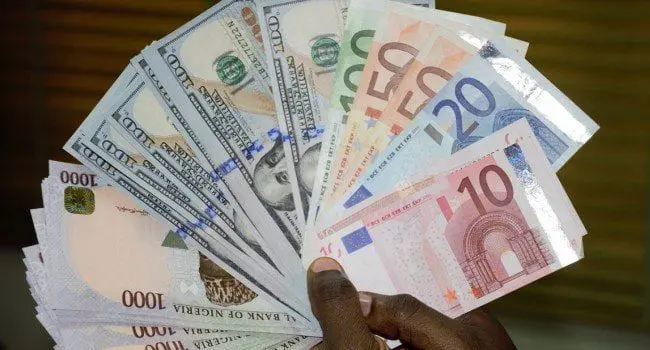
Aboki Naira to Dollar Black Market Exchange Rate Today, 7th April 2026
As of Tuesday, April 7, 2026, the Nigerian naira continued to trade at a notable discount in the parallel market compared to official channels, reflecting ongoing demand pressures from businesses and individuals seeking foreign exchange outside regulated windows. According to popular trackers like Aboki Forex, one US dollar was bought at around 1,400 naira and sold at approximately 1,410 naira in the black market, while some aggregators reported selling rates climbing as high as 1,420 naira in active spots across major cities.
This level represents a slight premium over the Central Bank of Nigeria’s official rate, which hovered near 1,380.79 naira per dollar. The gap between the two markets underscores persistent challenges in forex liquidity, even as authorities have made efforts to improve supply through various interventions in recent months. Traders in Lagos, Abuja, and other commercial hubs noted steady activity, with buyers willing to pay extra for immediate access to dollars amid import needs and travel demands.
Trending Now!!:
Market observers pointed to a combination of factors sustaining the parallel rate, including seasonal pressures from businesses settling international obligations and limited inflows from diaspora remittances or oil revenues finding their way quickly into the formal system. While the naira has shown periods of relative stability earlier in the year, the black market remains a key barometer for everyday transactions where speed and availability often outweigh official pricing.
For those exchanging larger sums, the spread between buying and selling rates typically ranged between 10 and 20 naira, depending on the dealer and location. Experts advise caution, recommending verification of rates at the point of transaction, as they can shift rapidly based on local supply dynamics. Overall, the situation highlights the dual nature of Nigeria’s forex landscape, where the parallel market continues to serve as a critical outlet despite broader economic reforms aimed at unification.