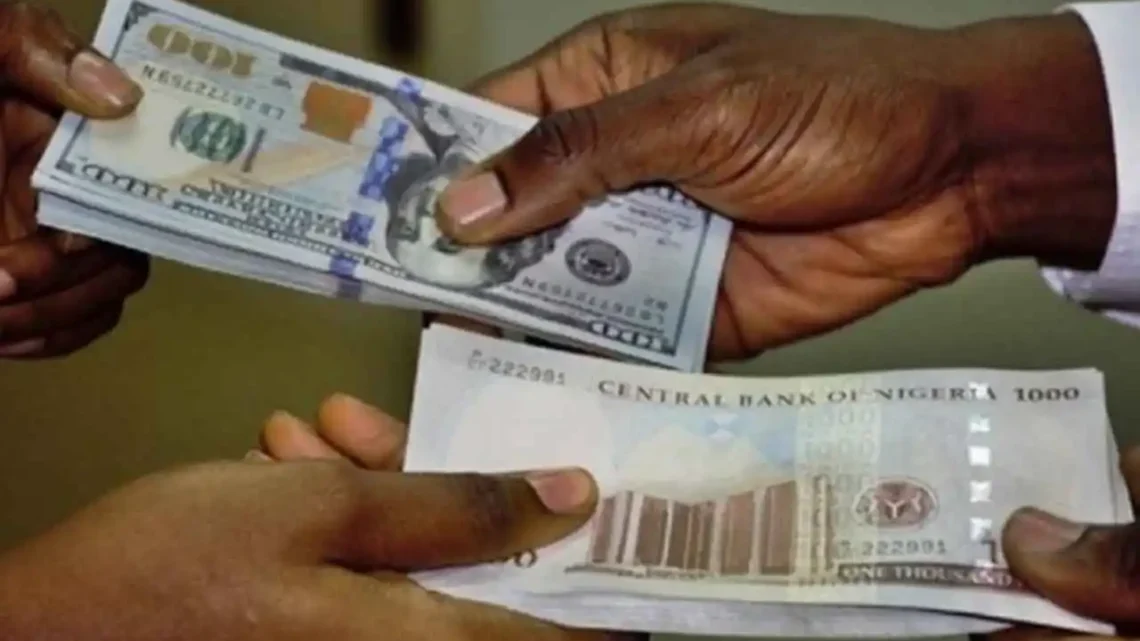
Aboki Naira to Dollar Black Market Exchange Rate Today, 8th April 2026
As of Wednesday, April 8, 2026, the Naira continued to trade under notable pressure in Nigeria’s parallel market, with one US Dollar exchanging for approximately 1,400 Naira according to popular trackers like Aboki Forex.
Dealers quoted buying rates around 1,390 to 1,400 Naira and selling rates pushing up to 1,410 Naira, reflecting the persistent gap between street-level transactions and official channels.
Trending Now!!:
This level marks a slight stabilization after recent fluctuations, as improved dollar supply in some segments helped temper sharper swings seen in prior sessions. In contrast, the official rate at the Central Bank of Nigeria window hovered near 1,381 Naira per Dollar, underscoring the ongoing divergence that affects importers, travelers, and everyday citizens relying on foreign currency for essential needs.
Market participants attributed the current rates to sustained demand for dollars amid economic uncertainties, including inflation concerns and the need for remittances.
Street traders in major cities like Lagos reported brisk activity, with many Nigerians turning to the parallel market for quicker access despite the premium it commands over regulated rates. Analysts noted that any fresh inflows from oil exports or diaspora remittances could ease the strain, but volatility remains a key feature of the forex landscape.
For those planning transactions, exchanging 100 US Dollars today would yield roughly 140,000 Naira at prevailing black market levels, while larger sums naturally attract negotiated adjustments depending on volume and location. Observers advise staying updated through reliable sources, as rates can shift rapidly within hours based on supply dynamics and policy signals from monetary authorities.
The situation highlights the broader challenges facing the Naira, where parallel market realities often serve as a barometer for underlying economic pressures even as efforts continue to bridge the official and unofficial segments.