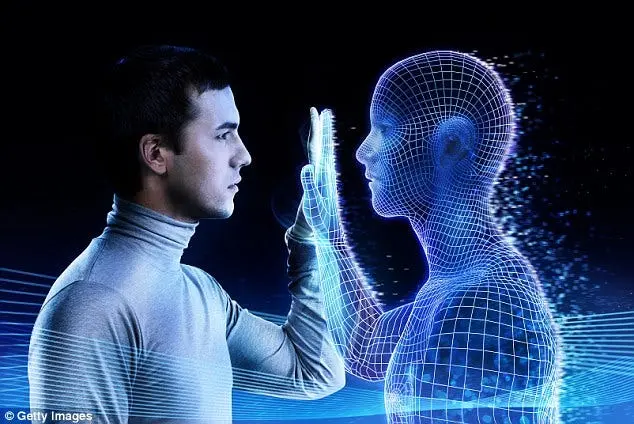
Digital Immortality: How AI Is Preserving Human Memories
Over the past decade, I’ve watched artificial intelligence transform from a promising tool into something profoundly personal—one that’s now redefining how we hold onto the people we love.
As someone who’s spent more than ten years working at the intersection of AI development and digital legacy projects, I’ve seen firsthand how technology can preserve human memories in ways that feel almost magical.
Trending Now!!:
But it’s not without its complications. Digital immortality, the idea of using AI to create lasting digital versions of ourselves or our loved ones, isn’t just science fiction anymore. It’s here, helping families navigate grief while raising tough questions about what it means to truly live on.
The Early Days: My First Encounter with AI-Powered Memory Preservation
I remember my first real dive into this world back in the mid-2010s. A client approached me to build a simple chatbot from her late father’s emails and voice recordings. She wanted something to “talk to” when she missed him—nothing fancy, just a way to hear his quirky advice on fixing cars or cooking his famous chili.
We used basic natural language processing back then, far from today’s generative AI models. The result was clunky; it repeated phrases oddly and sometimes got facts wrong. But when she tested it, tears streamed down her face as the bot, in his voice, recounted a story about her childhood birthday.
That moment stuck with me. AI wasn’t just processing data—it was preserving human memories in a tangible, interactive way. Fast forward to today, and services like HereAfter AI and StoryFile have refined this process dramatically.
People record interviews while alive, answering hundreds of questions about their lives, values, and quirks. After they pass, family members can converse with a voice avatar that draws from those recordings.
It’s not a full consciousness upload—more like an advanced digital legacy—but it captures essence remarkably well.
How AI Is Actually Preserving Memories Today
In practice, AI preserving human memories works through a mix of data collection and machine learning. Companies gather texts, photos, videos, and voice samples to train models that mimic speech patterns, humor, and even mannerisms.
Replika, originally a companion app, has evolved to let users shape bots based on the traits of deceased loved ones. In China, firms like Super Brain create “AI photo frames” that animate avatars for ongoing chats.
One project I consulted on involved a grandmother who recorded stories for her grandchildren. Posthumously, the AI avatar shared those tales, complete with her warm laugh and pauses for emphasis. The kids grew up feeling connected, asking “Grandma” about family history during holidays. It’s powerful—digital immortality turning static photos into living echoes.
But it’s not perfect. Early versions often hallucinated details, inventing memories that never happened. I’ve seen families heartbroken when a bot confidently shared a “story” that contradicted reality. We learned quickly: more data means better accuracy, but garbage in, garbage out. Curating inputs carefully is key.
Real-Life Examples: Comfort, Closure, and Unexpected Healing
I’ve witnessed incredible stories. A widow in her 70s used a custom grief bot to “talk” to her husband about daily life after his sudden passing. It helped her process unspoken regrets, like not traveling more together. Over time, she said goodbye properly, transitioning to healthier grieving.
In more public cases, such as the Korean TV special in which a mother interacted with her deceased daughter’s VR avatar, the emotional impact was profound. Or take Autograph AI, which guides users through life-story interviews to create voice doubles.
Founders aim for “humanity’s journal,” letting future generations converse with ancestors. On the flip side, a family I worked with created an avatar of a young man who had died of illness. It brought joy at first—reliving jokes and advice—but eventually felt stagnant.
The bot couldn’t grow or surprise them as a real person would. They paused interactions, realizing preservation isn’t the same as presence.
The Ethical Minefield: What I’ve Learned the Hard Way
No discussion of digital immortality is complete without ethics. Early on, we underestimated privacy risks. One mistake: building a bot without explicit consent guidelines, leading to family disputes over who “owned” the digital version.
Now, I always stress postmortem privacy—does the deceased want this? Many services require opt-in while alive. Grief complications are real, too. AI can prolong denial, keeping people tethered to the past. I’ve seen users become dependent, avoiding real-life connections.
And inequality looms: sophisticated avatars cost thousands, potentially making the digital afterlife a luxury for the wealthy. Cultural nuances add layers. In Japan, digital graveyards align with traditions; elsewhere, they clash with beliefs about the soul. Religious leaders, from the Vatican to Islamic scholars, urge respect for human dignity.
Then there’s authenticity. A bot might nail voice and facts but miss spontaneity—the spark that made someone human. Is it preserving memories or creating a comforting illusion?
The Future of AI in the Digital Afterlife
Looking ahead, advancements in generative AI and brain interfaces hint at more immersive experiences—perhaps holographic interactions or evolving avatars that “learn” from family input.
Startups are booming, from DeepBrain’s re;memory service recreating voices for memorials to broader digital legacy platforms. But we’ve got to get regulation right. Consent, data security, and mental health safeguards are non-negotiable.
In my experience, the best outcomes come from proactive planning: record while healthy, set boundaries, and view AI as a bridge, not a replacement.
Final Thoughts: Embracing the Bittersweet Reality
After years in this field, I’ve come to see AI preserving human memories as a double-edged gift. It offers solace in grief, keeps stories alive across generations, and challenges us to think deeply about legacy.
But it’s not true immortality—it’s a reflection, a digital echo of who we were. If you’re considering this for yourself or a loved one, start small. Record voices, share stories.
The technology will evolve, but the human nuance—the love behind the memories— that’s what endures. In the end, digital immortality reminds us: we’re mortal, and that’s what makes our connections precious.