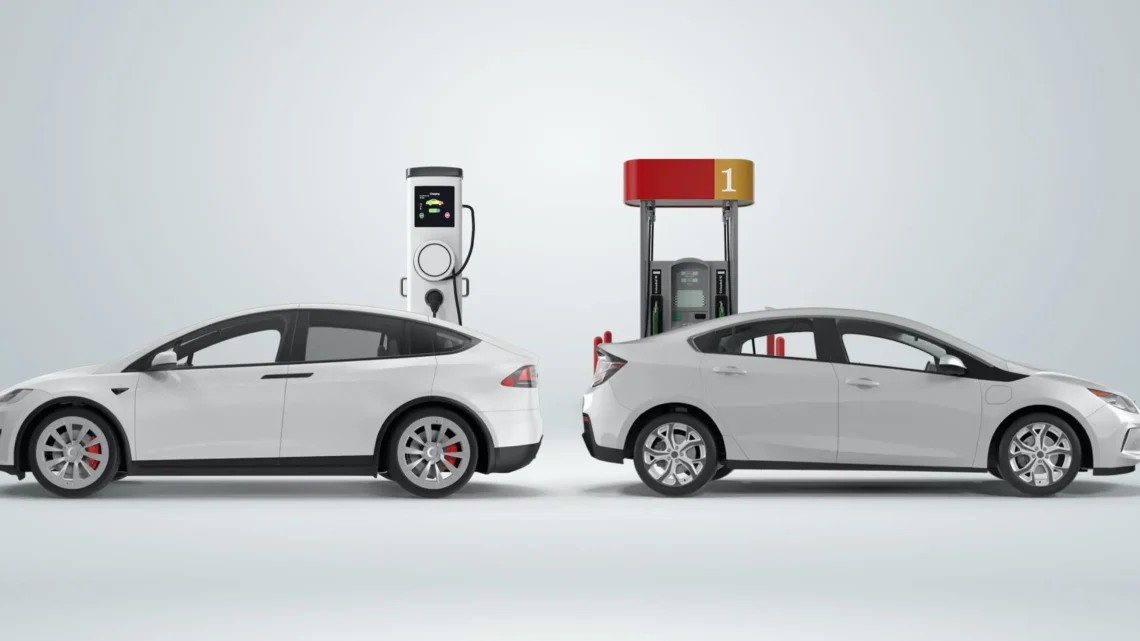
Electric Cars vs Hybrid Cars: Pros, Cons, and Recommendations
As the automotive industry accelerates toward a sustainable future, the debate between electric cars and hybrid cars continues to gain traction among eco-conscious drivers, car enthusiasts, and everyday commuters.
Both types of vehicles offer unique benefits, but they also come with distinct drawbacks.
Trending Now!!:
In this article, we’ll explore the pros and cons of electric cars and hybrid cars, compare their performance, cost, and environmental impact, and provide recommendations to help you decide which option best suits your lifestyle.
What Are Electric Cars and Hybrid Cars?
Before diving into the comparison, let’s clarify what these vehicles are. Electric vehicles (EVs) run entirely on electricity stored in a battery, powering an electric motor.
They produce zero tailpipe emissions and rely on charging stations or home chargers for power. Popular models include the Tesla Model 3 and Nissan Leaf.
Hybrid vehicles, on the other hand, combine a gasoline engine with an electric motor. They use both fuel and electricity, switching between or blending the two for optimal efficiency.
Hybrids don’t require plugging in, as their batteries recharge through regenerative braking or the gas engine. The Toyota Prius and Honda Accord Hybrid are well-known examples.
Pros of Electric Cars
1. Zero Emissions for a Greener Planet
One of the most significant advantages of electric cars is their environmental impact. EVs produce no tailpipe emissions, making them a top choice for reducing your carbon footprint.
With global concerns about climate change, driving an EV supports a sustainable future by cutting down on greenhouse gas emissions.
2. Lower Operating Costs
Electric cars are generally cheaper to run than their hybrid or gas-powered counterparts. Electricity costs less per mile than gasoline, and EVs have fewer moving parts, leading to lower maintenance costs.
No oil changes, fewer brake replacements (thanks to regenerative braking), and reduced wear on mechanical components translate to long-term savings.
3. Impressive Performance
EVs are known for their instant torque and smooth acceleration. Models like the Tesla Model S can rival high-performance gas-powered sports cars, offering a thrilling driving experience.
Additionally, EVs operate quietly, enhancing the driving experience with minimal noise pollution.
4. Government Incentives
Many governments offer tax credits and rebates for purchasing electric vehicles, making them more affordable upfront. These incentives can significantly offset the initial cost, especially for affordable electric cars like the Chevy Bolt or Hyundai Kona Electric.
Cons of Electric Cars
1. Limited Driving Range
One of the biggest disadvantages of electric cars is their driving range. While advancements have improved battery life, many EVs still offer 150–300 miles per charge, which can be a limitation for long-distance travel.
Range anxiety remains a concern, especially in areas with sparse charging infrastructure.
2. Longer Refuelling Times
Unlike filling up a gas tank, charging an electric car can take anywhere from 30 minutes (with fast chargers) to several hours (with standard home chargers).
This can be inconvenient for drivers with busy schedules or those without access to home charging stations.
3. Higher Upfront Costs
While prices are dropping, electric cars often have a higher purchase price than hybrids or traditional vehicles. The cost of batteries and advanced technology contributes to this premium, though tax incentives can help bridge the gap.
Pros of Hybrid Cars
1. Better Fuel Efficiency
Hybrid cars excel in fuel efficiency, often achieving 40–60 miles per gallon compared to 20–30 for traditional gas vehicles. This makes them an excellent choice for drivers looking to save on fuel costs without fully committing to electric power.
2. No Range Anxiety
Hybrids don’t rely solely on electricity, so there’s no need to worry about finding a charging station. The gasoline engine ensures you can keep driving as long as there’s fuel, making hybrids ideal for long-distance driving or rural areas with limited charging options.
3. Lower Upfront Costs
Hybrids are typically more affordable than electric cars, with prices closer to those of traditional vehicles. This makes them accessible for buyers who want eco-friendly options without the premium price tag of an EV.
4. Versatility
Hybrids offer the best of both worlds: electric power for short, efficient trips and gasoline for longer journeys. This versatility appeals to drivers who want to reduce emissions without changing their driving habits.
Cons of Hybrid Cars
1. Higher Emissions Than EVs
While hybrids are more eco-friendly than gas-only cars, they still produce tailpipe emissions. For drivers prioritizing a zero-emission vehicle, hybrids fall short of the environmental benefits offered by electric cars.
2. Complex Maintenance
Hybrids combine two powertrains, which can lead to more complex and potentially costly maintenance. Repairs involving the electric motor or battery system may require specialized technicians, increasing maintenance costs over time.
3. Less Electric-Only Range
Most hybrids can only travel a few miles on electric power alone before switching to gasoline. This limits their ability to operate as zero-emission vehicles in daily driving scenarios compared to EVs.
Electric Cars vs. Hybrid Cars: Key Comparisons
| Factor | Electric Cars | Hybrid Cars |
|---|---|---|
| Environmental Impact | Zero tailpipe emissions | Reduced emissions but still uses gasoline |
| Fuel Costs | Lower (electricity) | Higher (gasoline) but better than traditional cars |
| Upfront Cost | Higher, offset by incentives | More affordable |
| Range | 150–300 miles (varies by model) | Unlimited with gas tank |
| Charging/Refueling | Longer charging times | Quick gas refueling |
| Maintenance | Lower (fewer moving parts) | Higher (complex dual systems) |
Recommendations: Which Should You Choose?
Choosing between an electric car and a hybrid car depends on your lifestyle, budget, and priorities. Here are tailored recommendations to guide your decision:
Choose an Electric Car If:
- You prioritize environmental sustainability and want a zero-emission vehicle.
- You have access to reliable charging infrastructure, such as a home charger or nearby stations.
- You primarily drive short to medium distances, where EV range is sufficient.
- You’re eligible for tax credits or rebates to offset the higher upfront cost.
- You value a quiet, high-performance driving experience.
Recommended Models: Tesla Model 3, Nissan Leaf, or Chevy Bolt for affordable electric cars.
Choose a Hybrid Car If:
- You frequently drive long distances and worry about range anxiety.
- You want a balance between fuel efficiency and the convenience of gasoline refuelling.
- You’re looking for a more budget-friendly option with lower upfront costs.
- You live in an area with limited charging stations or prefer not to rely on electric charging.
Recommended Models: Toyota Prius, Honda Accord Hybrid, or Hyundai Ioniq for fuel-efficient hybrids.
The Future of Electric and Hybrid Cars
The automotive industry is rapidly evolving, with advancements in battery technology and charging infrastructure making electric cars more accessible.
Hybrids, meanwhile, continue to improve in efficiency and performance, serving as a bridge for drivers transitioning to greener options. As government incentives expand and sustainable driving becomes a priority, both EVs and hybrids will play critical roles in reducing emissions.
Conclusion
When weighing electric cars vs. hybrid cars, there’s no one-size-fits-all answer. Electric vehicles shine for their zero-emission benefits and lower long-term costs, making them ideal for eco-conscious urban drivers with access to charging.
Hybrids offer versatility, affordability, and freedom from range concerns, appealing to those who need flexibility. By assessing your driving habits, budget, and access to charging stations, you can make an informed choice that aligns with your needs and supports a sustainable future.
For the latest updates on electric vehicle technology or hybrid car models, check trusted automotive resources or consult with local dealers to test-drive your top picks.
Whether you choose an EV or a hybrid, both options move us closer to a cleaner, greener tomorrow.