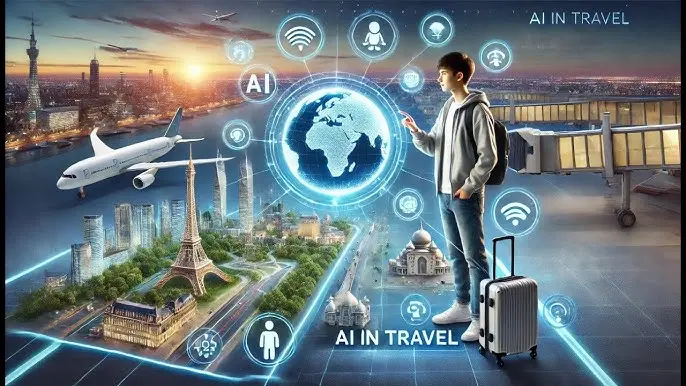
How AI is Reshaping Travel Planning and Tourism
Artificial intelligence is fundamentally transforming the tourism industry, making travel planning more intuitive, efficient, and tailored to individual preferences.
From AI trip planners that craft personalized itineraries in seconds to advanced tools enhancing every stage of the journey, AI in tourism is driving a new era of smart, sustainable, and immersive experiences.
Trending Now!!:
As we move through this year, the integration of artificial intelligence in travel is not just a trend—it’s becoming essential for travelers and businesses alike.
The Rise of AI Travel Planners and Personalized Itineraries
One of the most significant ways AI is reshaping travel planning is through sophisticated AI trip planners.
Tools like Mindtrip, Layla, and Tripplanner.ai analyze user preferences, budgets, past behaviors, and real-time data to generate customized itineraries.
Whether you’re seeking a family vacation, a romantic getaway, or an adventure-filled road trip, these AI-powered travel planners can suggest flights, hotels, activities, and even hidden gems that align perfectly with your interests.
Today, adoption has surged: surveys show that up to 30% of U.S. travelers now extensively use generative AI tools like ChatGPT or dedicated AI travel agents for trip planning, up from just 13% the previous year.
This shift allows travelers to bypass hours of research and receive hyper-personalized recommendations that factor in everything from dietary needs to preferred pace.
AI Chatbots and Seamless Booking Experiences
AI in tourism extends beyond planning to booking and customer service. Intelligent chatbots and virtual assistants handle inquiries 24/7, compare flight and hotel options, and even complete reservations.
Platforms integrate real-time pricing, predictive analytics for demand forecasting, and dynamic adjustments to account for disruptions such as weather changes.
These tools are revolutionizing operational efficiency for hotels, airlines, and agencies, with dynamic pricing models maximizing revenue while offering travelers better deals.
Immersive Technologies: VR, AR, and On-Site Personalization
Once at a destination, artificial intelligence in travel enhances the experience through virtual reality (VR) previews, augmented reality (AR) guides, and AI-powered robots.
Travelers can “try before they buy” with VR tours, reducing uncertainty and promoting sustainable choices by highlighting eco-friendly options.
Smart tourism destinations use AI to disperse crowds, recommend lesser-known attractions, and combat overtourism. Robots provide multilingual assistance, while predictive analytics help manage resources for greener operations.
The Future
Looking ahead, AI in travel this year’s trends point toward agentic AI—autonomous systems that not only plan but also book, adjust, and optimize trips in real-time.
Combined with sustainability-focused initiatives, such as eco-routing and carbon footprint tracking, artificial intelligence is making tourism more responsible and inclusive.
The AI market in tourism is booming, projected to grow rapidly as tools become more accurate and integrated. While challenges like data privacy and AI hallucinations remain, the benefits—from stress-free travel planning to unforgettable experiences—are undeniable.
As AI continues to reshape travel planning and tourism, travelers gain more control, personalization, and joy in their journeys. Whether you’re using an AI trip planner for your next vacation or exploring destinations virtually, the future of travel is more innovative, more accessible, and infinitely more exciting.