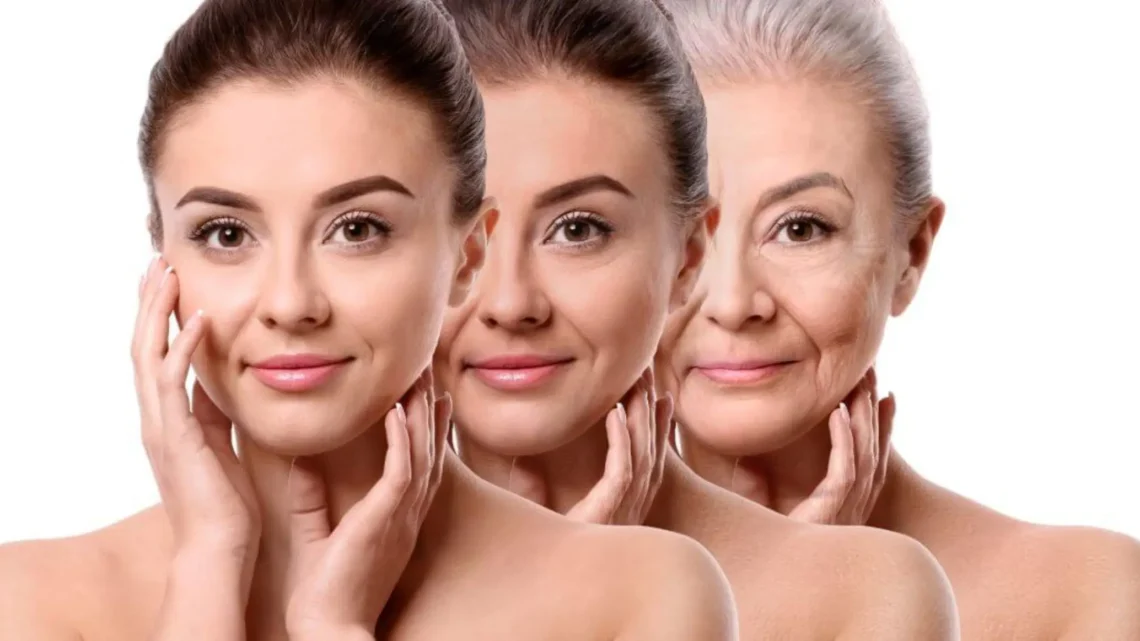
How Modern Stress Is Silently Aging Your Body
I’ve spent over a decade working with people navigating the relentless grind of modern life—high-pressure jobs, endless notifications, family demands, and that constant low hum of worry.
In my experience, chronic stress doesn’t just make you feel older; it literally accelerates ageing in ways that sneak up on you.
Trending Now!!:
It’s not dramatic overnight changes, but a quiet erosion that shows up in deeper wrinkles, thinning hair, persistent fatigue, and health issues that seem to arrive too soon.
The real kicker? Most people don’t connect the dots until it’s glaringly obvious.
The Hidden Toll of Chronic Stress on Premature Ageing
Modern life bombards us with stressors that our bodies weren’t designed for. Back in the day, stress was acute—a sabre-tooth tiger chase that ended quickly.
Today, it’s chronic: traffic jams, work emails at midnight, financial pressures. This keeps your body in a prolonged fight-or-flight mode, flooding it with cortisol and other hormones.
One of the biggest ways chronic stress ages you is through telomere shortening. Telomeres are like the protective caps on your chromosomes; they naturally shorten as you age, but elevated cortisol speeds this up dramatically.
I’ve seen clients in their 40s with telomere lengths matching someone a decade older, all tied to years of unmanaged stress. Shorter telomeres mean cells replicate poorly, leading to inflammation, weakened immunity, and faster biological ageing.
Then there’s the skin. Does stress cause wrinkles? Absolutely, in my observation. High cortisol breaks down collagen and elastin, the proteins that keep skin firm and plump. Add in oxidative stress from constant cortisol spikes, and you get dullness, fine lines, and even breakouts that linger longer than they should.
I’ve had patients swear they aged five years during a tough divorce or job loss—deeper crow’s feet, sagging jawline, tired eyes that no concealer could hide.
And gray hair? Stress can turn hair gray faster by depleting melanocyte stem cells, the ones responsible for pigment. I remember a client, a busy executive in her late 30s, who went noticeably grayer during a corporate merger.
It wasn’t all at once, but strands here and there, syncing with her peak stress periods. Research backs this—stress pushes hair follicles into premature rest, and the colour doesn’t always come back fully.
But it’s not just visible. Chronic stress drives systemic inflammation, disrupts sleep (when your body repairs itself), and messes with hormones, all contributing to accelerated aging inside and out.
Real-Life Mistakes I’ve Seen (And Made)
Early in my career, I ignored my own stress—burning the candle at both ends, thinking coffee and willpower would carry me. Big mistake.
By my mid-30s, I noticed premature gray hairs and skin that looked perpetually tired, despite a good skincare routine. It was a wake-up call: suppressing stress doesn’t make it go away; it just lets it chip away silently.
Common pitfalls I see: People power through with “hustle culture,” masking fatigue with more caffeine or alcohol, which spikes cortisol further. Or they vent endlessly without resolution, keeping the stress loop going.
One client, a mom juggling a career, thought “self-care” was a bubble bath once a month. It wasn’t enough—her inflammation markers were sky-high, and she felt decades older.
Another nuance: Not all stress is bad. Short bursts can motivate, but the modern version rarely resolves. We stay “on” without downtime, and that’s where the damage piles up.
How to Reduce Stress and Slow (Or Even Reverse) the Aging Process
The good news from years of guiding people through this: Much of stress-induced ageing is reversible if you act consistently. Biological age isn’t fixed; recovery from stress can lengthen telomeres, reduce inflammation, and restore vitality.
Practical steps that have worked wonders for my clients:
- Prioritize recovery daily. Start with breathwork or short meditations—nothing fancy. One technique I teach: 4-7-8 breathing (inhale 4 seconds, hold 7, exhale 8). It lowers cortisol fast. Clients who do this during commutes or before bed report better sleep and fewer wrinkles over time.
- Move your body, but smartly. Exercise reduces stress hormones, but overdoing it (like intense HIIT when already burned out) adds more. I recommend walking in nature or yoga—gentle movement that builds resilience without exhaustion.
- Nourish to counteract inflammation. Focus on anti-inflammatory foods: berries, fatty fish, greens. Cut back on sugar, which spikes cortisol. One client swapped processed snacks for nuts and saw her skin glow return in months.
- Set boundaries. This was huge for me personally. Say no to non-essentials. Unplug after 8 PM. Create rituals—like a wind-down routine—to signal safety to your body.
- Connect and reflect. Loneliness amplifies stress aging. Foster real relationships. Journaling helps process emotions instead of bottling them.
I’ve watched people in their 50s reclaim energy, soften lines, and even see some colour return to hair by dialling down chronic stress. It’s not about eliminating it entirely—that’s impossible in modern life—but managing it so your body can repair.
If you’re feeling the weight of modern stress, which is ageing your body faster than it should, start small today. Your future self—and your mirror—will thank you.