How to Brew Coffee at Home Like a Barista: Methods Compared
After more than a decade slinging shots behind the bar—from bustling third-wave spots to quiet neighborhood cafés—I’ve learned one hard truth: the best cup of coffee at home isn’t about fancy gear or chasing trends.
It’s about understanding what each method actually does to your beans and dialing in the little details that turn “good enough” into something that rivals (or beats) what you’d pay $6 for downtown.
Trending Now!!:
I’ve ruined countless brews along the way: bitter pour-overs from rushing the bloom, muddy French press from skipping the rinse, weak espresso shots from skimping on fresh beans. Those mistakes taught me more than any manual ever could.
Here’s my real-world breakdown of the most popular home brewing methods, compared head-to-head, with the practical tweaks that make them barista-level.
Start with the Non-Negotiables (What I Wish I’d Known Sooner)
Before we dive into methods, get these right, or nothing else matters:
- Fresh beans: Buy whole bean coffee roasted within the last 2–4 weeks. I once used month-old beans, thinking “they’re still good“—they weren’t. Stale beans taste flat, no matter the method.
- Grind fresh: A decent burr grinder changed my home game overnight. Blade grinders chop unevenly, leading to over- and under-extracted flavors in the same cup.
- Water: Filtered, around 195–205°F (just off boil). Tap water with too many minerals can make everything taste metallic.
- Ratio: Start with 1:16–1:17 (coffee to water by weight). Taste and adjust—stronger for milk drinks, lighter for black.
- Scale and timer: Eyeballing portions is why most homebrews fall short. Precision turns amateurs into pros.
1. Pour-Over (V60, Chemex, Kalita Wave) – The Clarity King
This is my go-to for showcasing origin coffees—think bright Ethiopian or floral Kenyan. It’s the method most baristas use to taste coffees during cuppings because it highlights nuance without hiding behind body or oils.
Why it shines: Clean, tea-like cup with zero sediment. You control everything: bloom, pour speed, and agitation.
My lived-in recipe (for one 12–14 oz cup):
- 20g medium-fine grind (table salt consistency)
- 320g water at 200°F
- Bloom with 40g water for 30–45 seconds (watch it rise like dough—underrated moment)
- Pour in slow circles: 100g over 30s, pause, then the rest in stages to finish in 2:30–3:00 total.
Common mistake I made early on: Pouring too fast, channeling the water through paths instead of evenly extracting. Result? Sour, weak coffee. Fix: Use a gooseneck kettle for control.
- Pros: Highest clarity, highlights acidity and florals.
- Cons: Takes practice and attention; not great for multiples.
- Best for: Morning ritual when you want to savor the beans. If you’re chasing that café pour-over taste at home, this method rewards patience more than any other.
2. French Press – The Bold, Full-Bodied Workhorse
Rich, syrupy mouthfeel with oils intact—perfect for dark roasts or when you want coffee that stands up to milk.
Why it’s forgiving: Immersion means even extraction if you time it right. My dialed-in approach (after years of gritty cups):
- Coarse grind (like breadcrumbs)
- 1:15 ratio (e.g., 30g coffee to 450g water)
- Pour hot water; stir vigorously to saturate, then let sit exactly 4 minutes.
- Plunge slowly—don’t smash it down hard, or you’ll stir up fines and get sludge.
- Decant immediately into a preheated carafe; leaving it on the grounds turns bitter fast.
Biggest lesson: I used to stir once and walk away—ended up with uneven extraction. Vigorous stir at the start makes a world of difference. Also, preheat the press with boiling water to avoid a temperature drop.
- Pros: Easy, makes 2–4 cups, full body.
- Cons: Sediment if you don’t decant; can taste muddy with light roasts.
- Best for: Breakfast crowds or lazy weekends.
3. AeroPress – The Versatile Underdog
This little plastic gadget punches way above its weight. I’ve taken it on trips, used it in tiny apartments, and even won informal office taste tests against expensive machines.
Why it’s special: Combines immersion and pressure for a smooth, grit-free cup in under 2 minutes. Espresso-like concentration or diluted Americano—your call. My favorite recipe (standard inverted method):
- 18g fine-medium grind
- 250g water at 195°F
- Invert, add water, stir for 10 seconds, steep for 1:30, flip onto a mug, press slowly (30 seconds).
- Dilute if needed for longer coffee.
Pro tip from experience: The paper filter traps oils better than metal—cleaner than French press but bolder than pour-over. Experiment with inverted vs. standard; inverted gives more control over steep time.
- Pros: Fast, portable, low waste, endless recipes.
- Cons: Single-serve mostly; learning curve for the inverted method.
- Best for: Daily driver when time or space is tight.
4. Espresso at Home (Machine or Moka Pot) – The Concentrated Classic
True barista cred comes from pulling shots. Home espresso machines are pricey, but a good one (or even a solid Moka pot) unlocks lattes, cappuccinos, cortados. Machine route: 18–20g in, 36–40g out in 25–35 seconds.
Tamp evenly, distribute grounds first. I burned through bags dialing in my first machine—under-extracted shots tasted sour, over-extracted bitter. Moka pot hack (budget espresso-like): Fine grind, fill basket without tamping hard, medium heat. Stop when it starts gurgling.
Cleaner than people think if you don’t overheat.
- Pros: Base for milk drinks, intense flavor.
- Cons: Gear investment is finicky.
- Best for: Latte lovers.
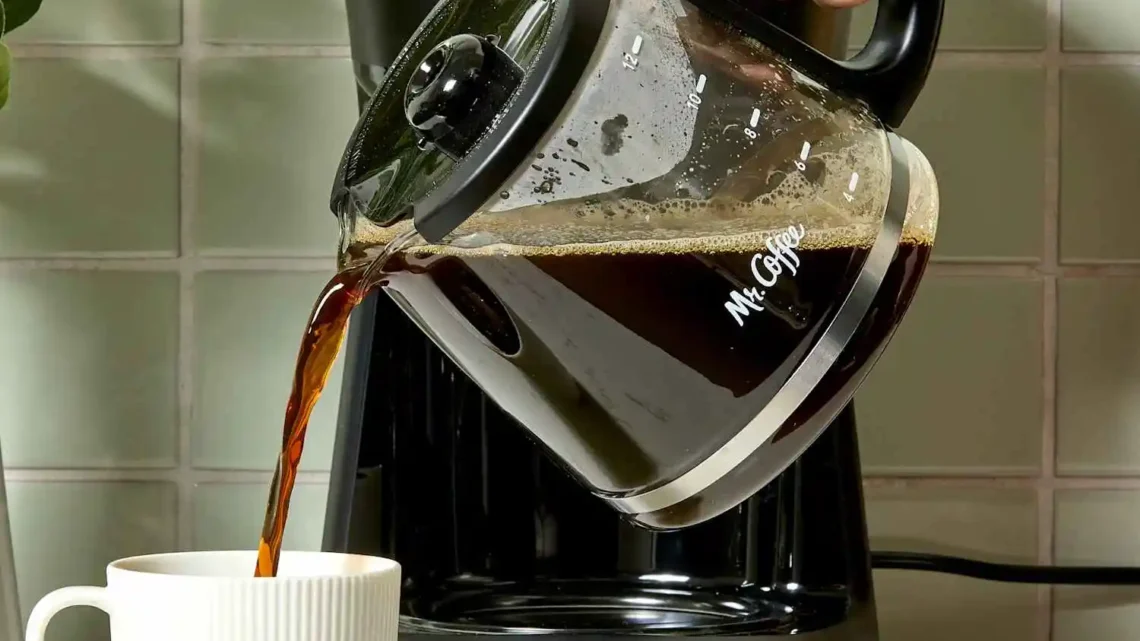
5. Drip/Automatic (Moccamaster, Bonavita) – The Set-It-and-Forget-It Option
Not sexy, but a quality drip brewer with even saturation (showerhead style) can rival manual methods. My upgrade tip: Bloom manually if possible, use fresh grounds.
Avoid cheap machines—they don’t hit proper temps.
- Pros: Consistent for multiples.
- Cons: Less control, can taste flat without tweaks.
Quick Comparison Table (My Real-World Rankings)
- Flavor Clarity: Pour-Over > AeroPress > Drip > French Press > Espresso
- Body/Mouthfeel: French Press > Espresso > AeroPress > Pour-Over > Drip
- Speed/Ease: Drip/AeroPress > French Press > Pour-Over > Espresso
- Best Black Coffee: Pour-Over or AeroPress
- Best with Milk: Espresso or French Press
Bottom line: No single “best way to brew coffee at home“—it depends on your taste, time, and mood. Start with one method, master it, then branch out.
The real barista secret? Taste critically every time, adjust one variable, and enjoy the process. Your perfect cup is waiting—just keep brewing.