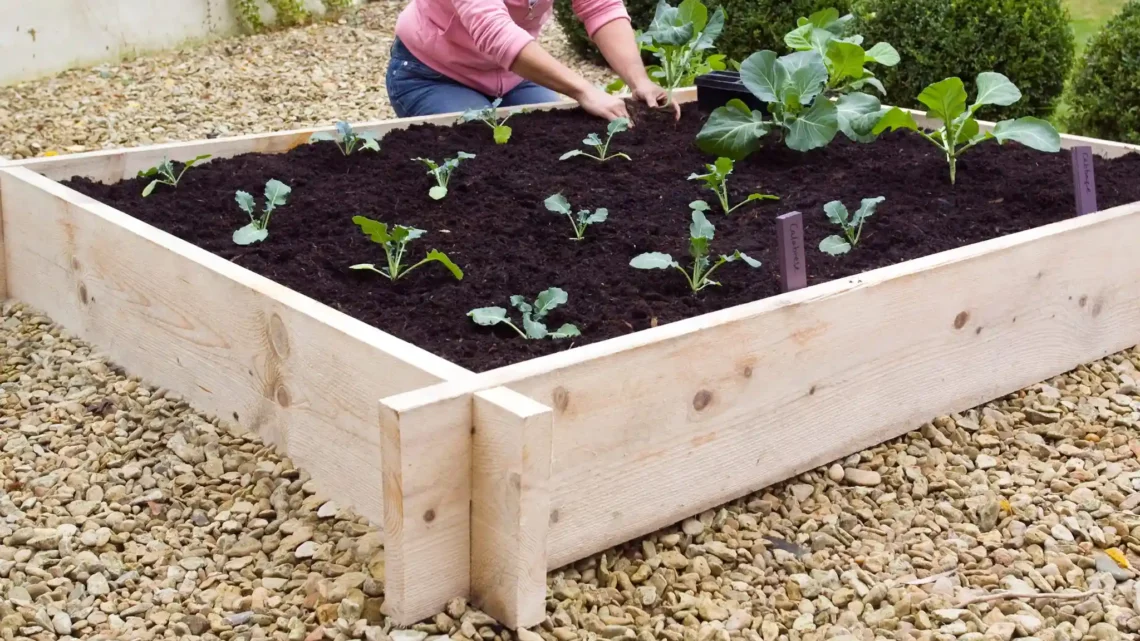
How to Build a Raised Garden Bed (From Plans to Planting)
Building a raised garden bed has been one of the best decisions I’ve made in over a decade of hands-on gardening.
After years of fighting compacted clay soil, battling weeds that seemed to grow faster than my tomatoes, and bending over until my back screamed, switching to raised beds changed everything. They warm up faster in spring, drain better, give you more control over the soil, and, honestly, make gardening feel less like a chore.
Trending Now!!:
I’ve built dozens of beds for myself, friends, and even community plots, making almost every mistake. Here’s how to do it right—from initial plans to planting—based on real experience.
Step 1: Planning Your DIY Raised Garden Bed – Get This Right First
Don’t just grab some lumber and start hammering. Size and placement matter more than you think.
The golden rule I’ve learned: Never make a bed wider than 4 feet. Anything bigger, and you’ll be stretching or stepping in to reach the middle, compacting the soil you worked so hard to keep fluffy.
I’ve seen 5-foot-wide beds where the center turns into a hardpan after a couple of seasons because people kept walking there. Stick to 3–4 feet wide for comfortable reach from both sides. Length can go 6–8 feet or longer if you have space, but keep it manageable.
I use 12 inches of height for most veggies—enough for roots without wasting soil. For carrots or potatoes, use 18–24 inches. If you want less bending or need accessibility, go 24–30 inches (with legs or stacked), though it costs more.
Location is non-negotiable: Choose a spot with 6–8 hours of direct sun. I’ve put beds in “mostly sunny” areas and watched peppers sulk. Face them south if you can. Level ground is best, but a slight slope is fine.
Common mistake: Building too many beds at once. Start with one or two. You can always add more once you see how it performs in your yard.
Step 2: Choosing Materials – What Lasts and What’s Safe
I’ve tried pressure-treated pine, cedar, and metal. Here’s what I use now.
Untreated cedar or redwood is my favorite—naturally rot-resistant and lasting 10–15 years in most climates. It weathers to silver-gray with little fuss. Avoid old railroad ties or questionable treated wood for edible crops; old chromated copper arsenate leaches oddly, and even modern MCA-treated wood can add trace copper at the edges.
If the budget’s tight, modern pressure-treated is fine for non-root crops if you line the inside with heavy plastic or landscape fabric—I’ve done it, and veggies grew great with no issues I could see. But cedar feels cleaner.
For longevity, corrugated metal (like galvanized steel kits or DIY panels) is unbeatable—my neighbor’s 15-year-old metal beds still look sharp. These beds warm the soil early in spring (great for cool climates) but can overheat in summer, so mulch heavily.
Don’t use cheap pine unless sealed; it rots in 3–5 years in wet areas.
For corners, use 4×4 posts cut to height—they’re stronger than screwing boards together. My corner-only beds bowed out after a couple of years due to soil pressure.
Step 3: Building the Raised Garden Bed – Step-by-Step
Gather these tools: a circular or hand saw, a drill, 3-inch deck screws, a measuring tape, a level, and a shovel.
Simple 4x8x1-foot bed plan (my most-built size):
- 4 pieces: two 8-foot 2x12s (or stacked 2x6s for cheaper), two 4-foot pieces for ends.
- Four 18–24 inch 4×4 posts for corners (cut to height minus board thickness if you want them flush).
Steps:
- Cut boards if needed. For a basic butt-joint: Place two 8-foot boards parallel, butt the 4-foot ends between them.
- Pre-drill holes to avoid splitting—I’ve learned cedar cracks easily.
- Attach the ends to the sides using 2–3 screws per joint, and into the posts if using them. I set posts inside corners for extra strength.
- Square it up—measure diagonals; they should match.
- Level the frame on site. Dig down high spots or add a gravel base if drainage is poor.
- Optional but smart: Line bottom/sides with hardware cloth or chicken wire to block gophers/voles. Staple landscape fabric inside to hold soil, but let water through.
- Place in the final spot, secure with stakes if on a slope.
Total time for one: 1–2 hours once materials are cut.
Early mistake: Skipping a bottom liner for pests. One year, voles took half my sweet potatoes.
Step 4: Filling with Soil – Don’t Skimp Here
Most people go wrong here. Cheap topsoil often compacts like concrete.
My mix: 1/3 real compost, 1/3 peat or coco coir, 1/3 vermiculite or perlite. For a 4x8x1 bed, that’s 32 cubic feet—buy in bulk if possible.
Add a few inches of coarse sticks and leaves at the bottom to improve drainage and save soil—Hugelkultur style, but don’t overdo it.
Fill to within 2 inches of the top, then top-dress with more compost.
Test your mix’s pH—aim for 6.0–7.0. Bad compost once made my beds alkaline; tomatoes hated it.
Step 5: Planting Your Raised Bed Garden
Wait a week after filling for the soil to settle.
Use intensive planting—square foot or succession. I plant tomatoes 2 feet apart; lettuce, every 6 inches.
Water deeply after planting. Use drip or soaker hoses to save time; hand watering can cause uneven moisture and cracked fruit.
Mulch with straw or shredded leaves to retain moisture and suppress weeds.
First-season tip: Start simple—leafy greens, radishes, and bush beans. They forgive mistakes. I’ve lost entire tomato crops to overwatering new beds that didn’t drain right.
Common mistakes: Planting too deeply (burying tomatoes, not peppers), skipping crop rotation (led to blight), or forgetting soil tests.
After 10+ years, my raised beds outproduce any in-ground plot. They turn even poor yards into productive spaces. Build one this weekend—you’ll wish you started sooner. If issues arise, adjust next season. Gardening is forgiving if you’re patient.
Happy planting!