How to Build a Simple Rain Barrel System
Building a simple rain barrel system has been one of the most practical things I’ve done around my property over the last 15+ years of messing with rainwater harvesting.
Back when I started in the early 2010s, I was tired of watching perfectly good water pour off my roof into the storm drain during summer downpours, only to pay through the nose for municipal water to keep the garden alive in dry spells.
Trending Now!!:
A single 55-gallon barrel under one downspout can capture hundreds of gallons from just a moderate rain—I’ve seen it add up to 1,000+ gallons saved over a season on a modest roof section. The beauty of a DIY rain barrel is its simplicity, but don’t let that fool you: small oversights turn it into a leaky, mosquito-breeding headache.
I’ve built single barrels, linked multiples, used food-grade drums, trash cans (in a pinch), and even stacked setups for better pressure. Here’s how to do it right, based on what actually works in real backyards—not textbook theory.
Step 1: Pick the Right Barrel and Location
Start with a food-grade 55-gallon plastic barrel (HDPE #2 if possible). These are sturdy, don’t leach weird stuff into the water, and are easy to find used from food suppliers, car washes (avoid soap ones), or online marketplaces.
I’ve paid as little as $10-20 for clean ones. Steer clear of anything that holds chemicals—ever. No exceptions. I’ve rinsed barrels obsessively, only to still get faint odors years later from bad sources. Place it under a downspout draining at least 300-500 square feet of roof.
Corners of the house work best. Level ground is non-negotiable; a tilted barrel won’t drain properly and can tip when full (nearly 450 lbs of water). I once set one on uneven soil—after a big rain, it leaned, cracked the spigot fitting, and flooded my foundation planting bed.
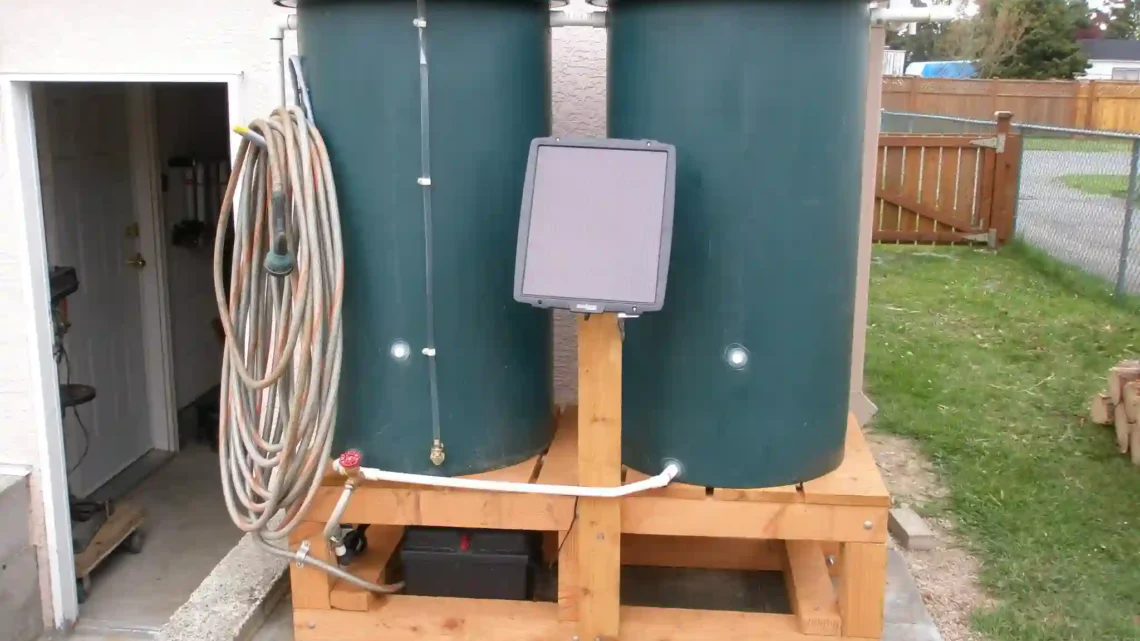
Lesson learned: dig out turf, add gravel for drainage, then stack cinder blocks (two layers) or build a simple pressure-treated wood platform. Elevate at least 12-18 inches for decent gravity-fed pressure to a hose or watering can. Higher is better if you want to run a soaker hose uphill.
Step 2: Prep the Barrel
Clean it thoroughly—triple rinse with hose water, maybe a mild dish soap scrub if it’s grimy. Drill your holes carefully:
- Spigot (hose bib): Near the bottom, about 2-3 inches up to leave sediment below. Use a 3/4-inch hole saw. I threaded in a brass spigot with washers on both sides and silicone caulk or plumber’s tape for a seal. Tighten firmly, but don’t crank it—the plastic can crack. Access the inside nut through the top or a side hole if needed. I’ve seen cheap plastic spigots fail after one season; brass lasts forever.
- Inlet: Cut a 6-9 inch hole in the top for water entry. For closed-top barrels, I use a hole saw and fit a screened basket (like a paint strainer or window screen over a cut bucket top) to catch leaves and debris. Secure with screws or zip ties. This keeps mosquitoes out—no lid means larvae paradise. I’ve battled skeeter swarms in open setups; screening changed everything.
- Overflow: Critical. Drill a 1.5-2 inch hole near the top (opposite the spigot side), fit a bulkhead fitting, and attach a short PVC elbow or hose to direct excess away from your foundation—into a rain garden, grassy swale, or just downhill. I’ve had barrels overflow without this, eroding the soil around plants. In heavy-rain areas, link to a second barrel for chained collection.
Step 3: Connect to the Downspout
Cut the downspout above where the barrel sits (save the piece for winter reconnection if needed). Attach a flexible elbow or diverter kit to direct flow into the screened inlet. A simple diverter lets excess bypass when full—super handy during storms. Seal connections with caulk if gaps appear.
If linking barrels, run PVC or hose from the first overflow to the next inlet. Bottom-fill manifolds sound clever, but sediment builds up; I stick to top-fill cascades for cleaner operation.
Step 4: Final Touches and Testing
Add a first-flush diverter if you’re picky (it diverts initial dirty roof runoff), but for garden use, I’ve mostly skipped it—the water clears after the first flush anyway. Cover the barrel if sunlight hits it to cut algae (dark barrels help).
In winter, drain and disconnect in freeze zones—I’ve cracked a few forgetting this. Test with a hose: fill, check for leaks, open the spigot. Pressure won’t match city water, but at 10-15 PSI from elevation, it’s plenty for drip lines, soaker hoses, or hand-watering.
Real-World Tips from Years of Trial and Error
- Mosquitoes and algae: Screen + shade = no problems. Open tops are a nightmare.
- Sediment: Leaves and roof grit settle at the bottom—spigot placement leaves it there. Clean annually by siphoning or scooping.
- Pressure woes: Low flow? Elevate more or add a second barrel higher. I’ve stacked three for veggie beds uphill.
- Legal stuff: Check local rules—some HOAs ban visible barrels or limit collection. Rare issues, but fines suck.
- Usage: Great for gardens, but not for drinking without serious filtration. Roof contaminants (bird poop, asphalt particles) make it non-potable. I use mine exclusively for plants—my tomatoes love the soft, chemical-free water.
A basic DIY rain barrel system costs $50-150 and pays for itself fast in water savings. Mine have cut my summer bill noticeably while keeping plants happier through droughts.
Start small with one barrel—if it works, expand. It’s rewarding, eco-friendly, and honestly one of the easiest upgrades for any yard.
If you’ve got questions about tweaks to your setup, hit me up—I’ve probably tried (and sometimes botched) what you’re thinking of. Happy harvesting!