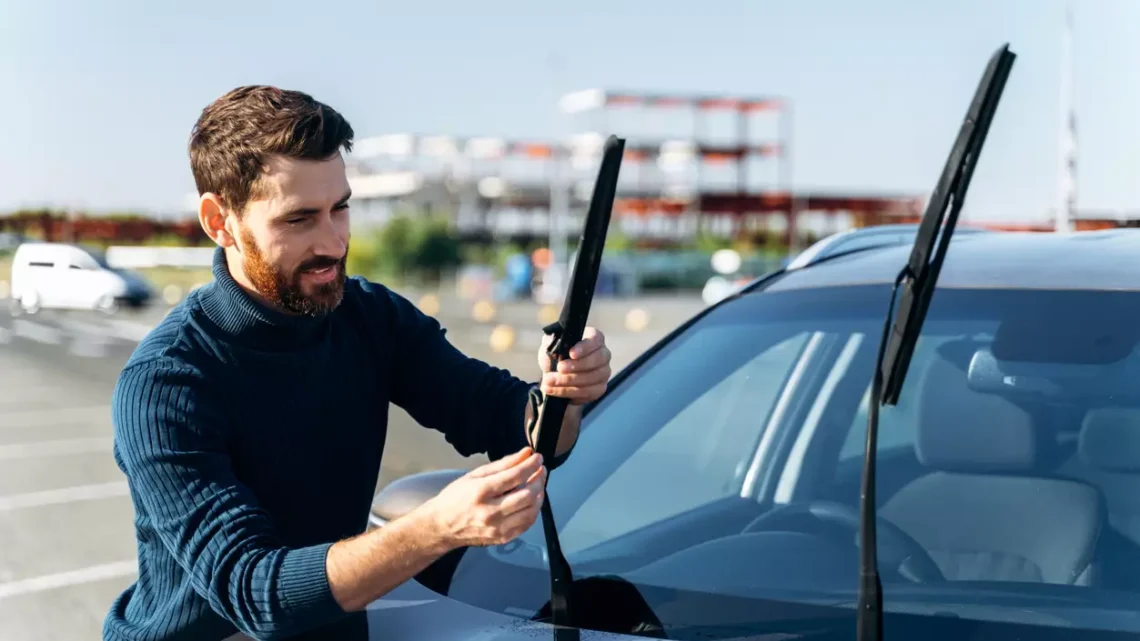
In more than ten years of turning wrenches, roadside fixes, and showing friends how to avoid pricey dealer upsells, I’ve swapped windshield wiper blades countless times.
The task rarely takes longer than two minutes once you get the rhythm, yet it’s one of those jobs people delay until a storm blinds them.
Done right, it restores crystal-clear visibility; done wrong, you risk streaked glass, chattering noise, or worse, a cracked windshield. Here’s the practical, no-nonsense way I’ve refined through real drives in everything from Midwest downpours to desert dust storms.
Know When It’s Time to Replace Them
Don’t rely on mileage or a calendar. The rubber tells the story. Look for cracks along the edge, tears that catch on your fingernail, or hardening that makes the blade feel like stiff plastic instead of flexible rubber.
Early signs show up as light streaking on dry glass, then skipping in rain, and finally, that annoying squeal every swipe. I once pushed through a long haul, ignoring the streaks on my old truck.
Halfway across Kansas in heavy rain, the blades smeared water like a bad paint job, forcing a gas-station stop with frozen hands and a soaked shirt. Replace before the weather forces your hand; six months is a rough average, but condition matters more.
Pick the Right Windshield Wiper Blades
Head to an auto parts store or use their online vehicle lookup tool with your make, model, and year. Driver and passenger sides often differ by an inch or two, a detail that even experienced owners can miss.
Beam-style blades, the flat, frameless kind, hug curved windshields better and resist snow buildup in my experience, outperforming traditional framed ones in most conditions.
For top performers right now, Bosch ICON or Rain-X Latitude Water Repellency consistently rank high in real-world tests for durability and clear wiping, especially in mixed weather. Skip the bargain-bin generics; they streak within weeks, and you’ll redo the job sooner.
Prepare and Lift the Wiper Arms Safely
Park on level ground, shut off the engine, and ensure the blades rest flat against the glass. Gently lift one wiper arm straight up and away from the windshield.
Support it so it doesn’t snap back down bare, a mistake I’ve witnessed twice that led to spiderweb cracks costing hundreds to fix. A folded shop rag or your free hand propped underneath prevents disaster. Do one side at a time to keep things controlled.
Remove the Old Wiper Blades
Most vehicles use the common J-hook attachment, where the arm ends in a small hook that fits into a slot on the blade. Flip the blade over and locate the small plastic tab or release button underneath. Press or slide it (direction varies by brand), then push the blade downward along the hook to release it.
It should release smoothly. If it resists, stop forcing it; you might need a different connector, like pinch tabs or side pins, common on some imports. Forcing bends the arm or snaps the clip, turning a two-minute job into a bigger repair.
Install the New Wiper Blades
Unpack the new blade and peel off any protective plastic strip covering the rubber edge, something people overlook, and then wonder why it streaks immediately.
Align the blade with the J-hook (or whatever connector your vehicle uses), slide it on in the reverse direction of removal, and push until it clicks firmly into place. Give it a gentle tug to confirm it’s secure. Repeat on the other side. Lower each arm slowly, no dropping, to avoid impact damage.
Test and Troubleshoot
Squirt some washer fluid and run the wipers for a few cycles. They should glide smoothly without skipping, chattering, or leaving streaks.
If issues persist, recheck the connection; some blades have multiple adapters, and the wrong one flipped upside down can cause problems. In rare cases, the arm itself might need a slight adjustment, but that’s uncommon.
That’s the entire process, typically under two minutes per side with practice. No special tools, no waiting in a shop line, and far cheaper than professional service.
Over the years, teaching this simple skill has given dozens of people the confidence to handle basic maintenance. Clear vision isn’t optional; it’s safety. The next time rain hits your windshield, you’ll appreciate the clarity that comes from staying ahead of worn blades.
What People Ask
How often should I replace my windshield wipers?
Replace them every 6 to 12 months, but go by condition rather than the calendar. Cracked, torn, or hardened rubber means they’re done, even if it’s only been a few months. In hot, sunny climates they degrade faster from UV exposure, while in rainy areas you might notice skipping or squeaking sooner. I’ve seen blades last over a year in mild conditions, but ignoring early streaking usually leads to a miserable drive in the next storm.
Do I need tools to change windshield wiper blades?
No tools are required for most vehicles. The process uses simple push-tabs or clips on the blade itself. Only if the old blade is really stuck from years of buildup might you need a flathead screwdriver to gently pry the release, but forcing it usually means you’re using the wrong technique or connector type. I’ve changed hundreds without ever grabbing a tool beyond maybe a rag for grip and clean hands.
Are driver and passenger side wiper blades the same size?
Not always. Many cars use different lengths, often an inch or so longer on the driver’s side for better coverage. Check your owner’s manual, measure the old blades, or use the lookup tool at an auto parts store. Swapping mismatched sizes leaves unwiped spots or causes the blades to overlap incorrectly, which I’ve seen lead to annoying chatter.
What type of windshield wiper blades should I buy?
Beam-style (frameless) blades are my go-to for most modern cars because they conform better to curved windshields and resist ice buildup. Traditional framed ones work fine but can clog with snow. Go for reputable brands like Bosch ICON or Rain-X Latitude if you want longevity and quiet performance. Cheap generics save money short-term but streak quickly, forcing you back to the store sooner.
How do I avoid cracking my windshield when changing wipers?
Never let the bare wiper arm snap back against the glass. After lifting the arm, support it with your hand or prop a folded rag underneath. I’ve watched two people crack their windshields doing exactly that, a $300+ mistake that’s completely avoidable. Lower the arm slowly once the new blade is on, no dropping it.
Why do my new wiper blades still streak or skip?
Common culprits include not removing the protective plastic strip on the new rubber edge, installing the blade upside down, using the wrong adapter from the package, or a loose connection that didn’t click fully. Also test on a wet windshield with washer fluid. If it persists, the arm tension might need a slight adjustment, but that’s rare. Double-check the install before blaming the blades.
Can I install windshield wiper blades upside down?
Yes, and it happens more than you’d think. The rubber edge must face the glass; if the metal or frame side is down, it’ll scratch the windshield or just smear horribly. Always orient so the wiping edge contacts the glass. I’ve fixed this for friends who swore the new blades were defective, only to flip them the right way and have perfect wipes.
How do I know the right size windshield wiper blades for my car?
Use your vehicle’s make, model, and year in the lookup tool at any auto parts store website or counter, or measure the old blades from end to end (excluding the hook). Don’t guess, because even one inch off can leave large unwiped areas. Many stores will pull up the exact fit in seconds.
What if my wiper blade won’t come off the arm?
Don’t force it; you’re likely dealing with a different connector type like pinch tabs, side pins, or a bayonet mount instead of the common J-hook. Check the release mechanism again, sometimes it’s a small lever you slide sideways. If stuck from rust or dirt, a gentle wiggle while pressing the tab usually frees it. Forcing it bends the arm, turning a quick job into something worse.
Should I get my windshield wipers changed at a shop or do it myself?
Do it yourself, it’s one of the easiest maintenance tasks and saves money on shop labor. Many parts stores install them free if you buy there, which is handy if you’re unsure. But once you’ve done it once, it’s under two minutes and builds confidence for other simple fixes. No reason to pay extra unless you’re in a rush or the weather’s awful.
Why do windshield wipers squeak after replacement?
Squeaking often comes from a dirty windshield, improper installation angle, or low-quality blades hardening quickly. Clean the glass thoroughly with glass cleaner first, ensure the blade sits flat, and test with fluid. If it continues, the blades might need breaking in or replacement with better ones. I’ve quieted many by just wiping the windshield down properly.