
How to Choose Sustainable Seafood (A Consumer’s Guide)
After more than a decade in marine conservation—running field surveys on overfished reefs, auditing supply chains for restaurants, and operating a small sustainable seafood counter in the Northeast—I’ve watched shoppers freeze at the fish case, paralyzed by choices.
The labels blur, the prices tempt, and the same old favorites (shrimp cocktail, salmon fillets) win out. Yet sustainable seafood isn’t a rigid rulebook; it’s a set of practical habits that let you eat well while easing pressure on the oceans.
Trending Now!!:
I’ve burned through my share of regrets—like serving imported king prawns at a family gathering, only to discover later they’d come from mangrove-destroying farms—and those missteps sharpened my approach more than any certification ever did.
Start with the Right Tool: Seafood Watch as Your Daily Compass
The Monterey Bay Aquarium’s Seafood Watch program remains the most reliable, no-nonsense guide I’ve used year after year.
Their app (free on your phone) or printed pocket guides rate seafood as Best Choice (green—buy with confidence), Good Alternative (yellow—decent when better isn’t around), or Avoid (red—walk away).
Recommendations are updated regularly based on stock health, catch methods, and farming impacts; the latest national guide was released in September 2025, with tweaks to popular items like tuna and shrimp. In real life, I pull it up every grocery trip.
It takes 30 seconds to scan a barcode or search “Atlantic salmon farmed Norway” and see the color. Without it, you’re guessing—and I’ve guessed wrong too many times.
Trustworthy Labels: What Actually Matters
Look for third-party certifications on packaging; they’re not perfect, but they beat vague marketing. The Marine Stewardship Council (MSC) blue fish logo signals wild-caught fisheries that have been audited for healthy populations, low bycatch, and habitat protection.
For farmed options, the Aquaculture Stewardship Council (ASC) does the same for responsible practices. I’ve stocked MSC-certified Alaskan pollock for years—it’s turned kid-unfriendly fish sticks into a guilt-free staple. Skip labels like “eco-friendly,” “dolphin-safe” (without verification), or “line-caught” alone; they’re often feel-good claims without teeth.
Early on, I fell for a “wild Pacific salmon” sticker that hid mislabeled lower-quality stocks. Now I demand specifics.
Ask Questions—And Expect Answers
At the counter or in a restaurant, ask: Where’s this from? How was it caught or raised? Solid suppliers know the answers and are willing to share them. If they dodge or say “it’s sustainable,” that’s a red flag.
One mistake I made repeatedly: assuming “wild” equaled better. Location trumps everything—U.S. or Canadian wild salmon (often Best Choice) beats vague “Pacific” claims. Domestic seafood generally follows stricter U.S. rules on overfishing and bycatch.
Supporting local docks or Community Supported Fisheries (CSFs) gives fresher product and accountability; small operations can’t afford scandals.
Diversify Your Plate: Break Free from the Big Five
Most Americans cycle through shrimp, salmon, canned tuna, tilapia, and pollock—driving intense pressure on those sources. Branching out reduces strain and often uncovers tastier, cheaper options. Some of my go-to sustainable picks:
- Mussels, oysters, and clams (U.S./Canadian farmed or wild): Filter feeders that clean water, almost always Best Choice. I steam them with white wine and garlic on weeknights—quick, inexpensive, and ocean-positive.
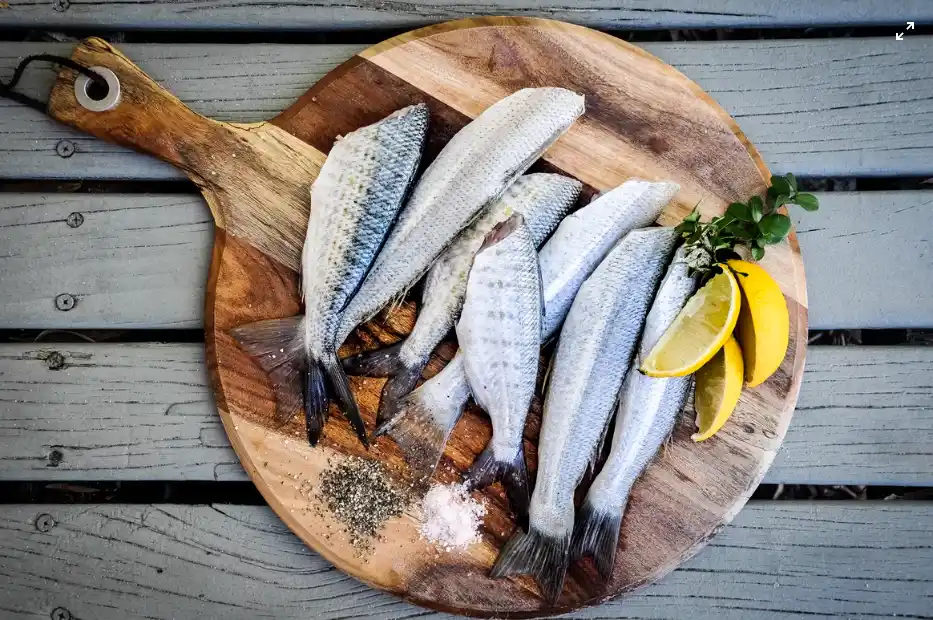
- Pacific sardines or Atlantic mackerel: Plentiful, low-mercury, omega-3 powerhouses. Canned versions last forever in the pantry.
- U.S. farmed catfish or rainbow trout: Reliable Good Alternatives or better, with minimal environmental downsides compared to many imports.
- Dungeness crab (West Coast) or stone crab (Florida): Seasonal treats when managed right.
For the popular ones with caveats:
- Shrimp: Most imported farmed ranks Avoid due to antibiotics and habitat loss; prioritize U.S. wild or ASC-certified.
- Tuna: Pole- or troll-caught skipjack/albacore (MSC often) is usually a Good Alternative; bigeye and bluefin are frequently Avoid.
- Salmon: Wild Alaskan sockeye or coho consistently shines as Best Choice; for farmed Atlantic, hunt land-based or closed-containment systems.
The Super Green List from Seafood Watch highlights top-tier, nutritious, and sustainable winners—think certain albacore, oysters, and rainbow trout—that are high in omega-3s and low in contaminants.
Embrace Seasonality and Locality
Frozen can beat fresh when it’s responsibly sourced—Alaskan cod or haddock flash-frozen at sea often tops wild imports flown in off-season. In winter, I skip Chilean sea bass (which is often overfished) in favor of domestic alternatives.
Buying local or seasonal cuts reduces transport emissions and connects you to harvesters who live off the resource. Join a CSF or hit farmers’ markets; the traceability is unmatched.
The Bottom Line: Small Choices Add Up
The ocean faces huge pressures, but consumer demand drives real change. Fisheries I’ve tracked have rebounded when buyers shift to green-rated options.
Start simple: next time, open the Seafood Watch app, pick a Best Choice, cook it simply, and notice how good it feels. Your plate isn’t going to save the seas alone, but every deliberate swap helps build momentum.
After all these years, that’s the nuance that sticks: curiosity and consistency beat perfection every time.