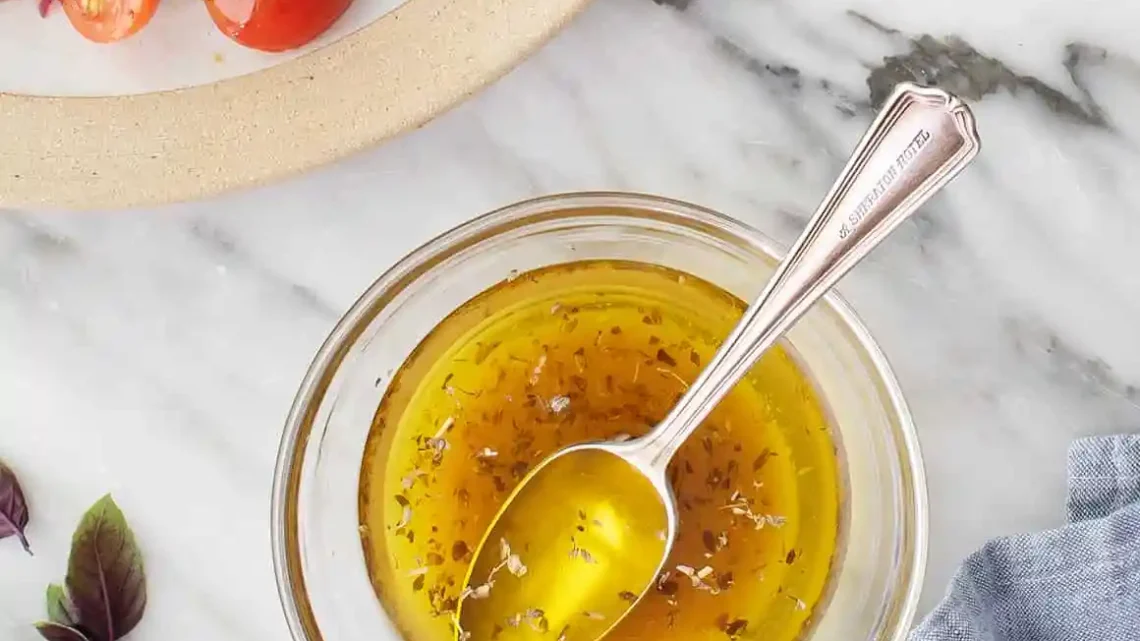
How to Make Simple Salad Dressings (Stop Buying Bottled)
After more than a decade of tossing salads almost daily—first as a line cook scraping by on tips, later feeding a growing family, and now just because I crave fresh greens—I can tell you this with zero hesitation: once you start making your own homemade salad dressings, the bottled stuff in the grocery aisle starts looking like a scam.
Those shelves are loaded with preservatives, weird stabilizers, and enough sugar or cheap oils to make what should be a healthy side feel heavy. I’ve wasted money on them, regretted the funky aftertaste, and eventually just stopped buying them altogether.
Trending Now!!:
The switch saved cash, cut junk, and made every salad taste noticeably better—fresher, brighter, more balanced.
The beauty? You don’t need fancy equipment or chef skills. Most simple salad dressings come together in under 5 minutes with pantry staples. The core rule I’ve lived by is the classic ratio: roughly 3 parts oil to 1 part acid (vinegar or lemon juice).
From there, add a touch of mustard for emulsification (it helps everything blend without separating), salt, pepper, and whatever extras your salad calls for. Shake in a jar or whisk in a bowl—done.
These are my most-used, reliable dressings. They’re not experiments—just everyday winners for everything from greens to grain bowls.
Everyday Lemon-Garlic Vinaigrette (My True Go-To)
This is the one I make weekly—it’s versatile, zingy, and beats any generic Italian dressing or store-bought basic vinaigrette.
- 3 tablespoons extra-virgin olive oil
- 1 tablespoon fresh lemon juice (squeeze it yourself; bottled is flat)
- 1 small garlic clove, minced or pressed (or ½ teaspoon garlic powder if you’re in a rush)
- 1 teaspoon Dijon mustard
- ½ teaspoon sea salt
- ¼ teaspoon freshly ground black pepper
How I do it: Throw everything in a small jar, shake hard for 20-30 seconds until it thickens a bit. Taste and adjust—maybe a pinch more salt or a drizzle more oil if it’s too sharp.
Early mistake I made: Using pre-minced garlic from a jar. It tastes tinny and off. Fresh makes a huge difference.
This dressing wakes up bitter greens like arugula or radicchio and plays nice with tomatoes, cucumbers, feta—anything Mediterranean-ish.
Honey Mustard Vinaigrette (Sweet-Tangy Crowd-Pleaser)
Kids and picky eaters love this one. It’s my fix for when plain vinaigrette feels too acidic.
- 3 tablespoons olive oil
- 1 tablespoon apple cider vinegar (or white wine vinegar)
- 1 teaspoon Dijon mustard
- 1-2 teaspoons honey (start low; raw if you have it)
- Salt and pepper to taste
Whisk the mustard, honey, and vinegar until the honey dissolves, then stream in the oil while whisking. This creates a creamy emulsion without a blender.
Pro tip from years of trial: If it separates in the fridge, just shake it again. I’ve added a pinch of smoked paprika for a twist on roasted veggie salads—smoky sweet magic.
Creamy Greek Yogurt Ranch (Healthier Than the Bottled Version)
Ranch was my weakness—those thick, herby bottles. But homemade with Greek yogurt? Lighter, tangier, no weird additives.
- ½ cup plain Greek yogurt (full-fat for creaminess)
- 2-3 tablespoons buttermilk or milk (thin it out)
- 1 teaspoon lemon juice or white vinegar
- 1 teaspoon dried dill (fresh if you have it, double the amount)
- ½ teaspoon garlic powder
- ½ teaspoon onion powder
- Salt and pepper
Mix the yogurt base first, then stir in seasonings. Let it sit 10 minutes—the flavors bloom. Thin with more milk if you want pourable.
I once over-dilled a batch, and it tasted like pickle juice gone wrong. Start conservatively with herbs. This one’s killer on wedge salads, as a dip, or drizzled over baked potatoes.
Quick Balsamic Vinaigrette (For Caprese or Anything Rich)
When I want something deeper, balsamic is it. No need for the expensive aged stuff—regular works fine.
- 3 tablespoons extra-virgin olive oil
- 1 tablespoon balsamic vinegar
- ½ teaspoon Dijon or whole-grain mustard
- ½ teaspoon honey or maple syrup (balances acidity)
- Salt and pepper
Shake or whisk. Add shallot or garlic for extra flair if you want.
Big lesson learned: Too much balsamic turns cloying and dark. Always taste before dressing the salad—add a splash more oil if it’s overpowering.
Why This Matters (And Why I Stopped Buying Bottled for Good)
Store-bought dressings often hide sugar, soybean oil, MSG-like flavors, and preservatives that linger on your tongue. Homemade lets you control everything: use good olive oil for healthy fats, fresh acids for brightness, and skip the junk.
Plus, a batch lasts 5-7 days in the fridge (vinaigrettes longer; creamy ones a bit less). I keep 2-3 jars rotating—never bored, never wasteful.
One last practical note: Invest in a couple of small mason jars with tight lids. Shaking beats whisking for emulsification, and storage is easy.
If separation happens (it will), just shake again—no big deal.
Making simple homemade salad dressings changed how I eat salads. They went from obligatory side to the star.
Give it a week—you’ll likely stop reaching for those bottles too. Your greens (and wallet) will thank you.