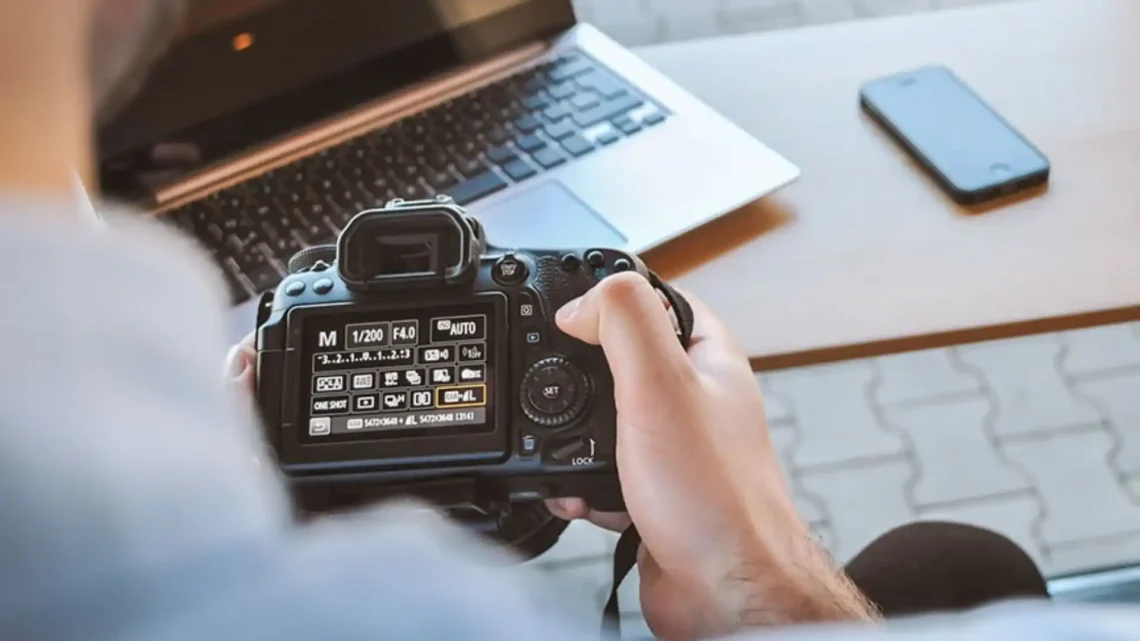
How to Master Your Camera’s Manual Settings: Photography 101
Mastering your camera’s manual settings transformed my photography more than any lens upgrade or workshop ever could.
After more than a decade behind the viewfinder, shooting everything from street portraits in harsh midday sun to quiet landscapes at dawn, I can tell you this: switching to manual mode isn’t about control for control’s sake. It’s about finally speaking the language your camera has been whispering all along.
Trending Now!!:
Most beginners cling to auto mode because it’s safe, and I get it. I did the same for years. The camera decides everything; you snap away, and sometimes you luck into a decent shot. But auto rarely gives you what you truly envisioned.
It overexposes skin tones in the golden hour, freezes motion when you want silky blur, or cranks up the ISO until noise ruins the mood. Manual mode photography hands the reins back to you, letting you balance aperture, shutter speed, and ISO (the famous exposure triangle) exactly as the scene demands.
I remember my first serious attempt at manual. It was a family gathering on a cloudy afternoon. I set the aperture wide open at f/2.8 for that dreamy background blur, but I forgot to compensate for the dim light.
Everything came out underexposed, faces lost in shadow. I spent the next hour chimping the LCD, adjusting dials while everyone waited. Embarrassing, yes, but that frustration taught me more than any manual ever could. The key is practice, not perfection, on day one.
Start with Aperture: Your Creative Priority
I almost always begin with aperture because it shapes the story of the image more than anything else. A wide aperture like f/1.8 or f/2.8 creates beautiful bokeh, isolating your subject against a soft, creamy background. Portrait photographers live for this effect; it draws the eye straight to the eyes and melts distractions away.
But wide apertures demand precision. Early on, I shot a bride walking down the aisle at f/1.4, only to realize her veil was sharp while her face was slightly out of focus. Heartbreaking. Now I stop down to f/2.8 or f/4 for groups or moving subjects, ensuring more of the scene stays tack-sharp.
For landscapes or architecture, I dial in smaller apertures, f/8 to f/11 or even f/16, to maximize depth of field. Everything from foreground rocks to distant mountains stays in focus. The trade-off? Less light enters the lens, so you compensate elsewhere.
Shutter Speed: Freeze or Flow with Intention
Next comes shutter speed, the one that controls motion. Fast shutter speeds (1/500s or quicker) freeze action: a child’s jump, a bird in flight, sports.
I once missed a decisive moment at a soccer game because I was still on 1/125s from earlier portraits. The ball was a blur, legs ghostly. Lesson learned: anticipate the subject’s speed.
Slower speeds introduce intentional blur. For waterfalls or rivers, I drop to 1/4s or slower (with a tripod) to turn rushing water into silk.
In low light, I might push to 1/15s handheld for street scenes, accepting a bit of motion for atmosphere. But beware camera shake. My rule: never go slower than 1/focal length without stabilization (so 1/50s minimum for a 50mm lens). I’ve ruined countless twilight shots, ignoring this.
ISO: The Last Piece, Not the First
I set ISO last because it’s the compromise. Low ISO (100-200) keeps images clean, noise-free, ideal for bright days. But when light fades, bumping to 400, 800, or higher saves the shot. Modern cameras handle ISO 3200 remarkably well; I shot an entire concert series at ISO 6400, and the grain added grit rather than ruined it.
The mistake beginners make? Keeping ISO locked at 100 indoors, forcing painfully slow shutter speeds and blurry results. Raise it without guilt. Noise is fixable in post; a missed moment isn’t.
A Practical Workflow That Works in the Field
Here’s how I approach most shoots now:
- Assess the light and decide your creative priority. Portrait? Start with a wide aperture for subject isolation. Action? Prioritize fast shutter speed.
- Set that priority first.
- Use your camera’s light meter (that little scale in the viewfinder) to balance the other two. Aim for the middle (0) for “correct” exposure, but underexpose slightly for moody shots or protect highlights.
- Take a test shot, check the histogram (not just the LCD brightness), adjust, repeat.
In bright sunlight, I might shoot f/8, 1/400s, ISO 100. For indoor natural light portraits, f/2.8, 1/125s, ISO 800. It becomes muscle memory.
Common Pitfalls I’ve Fallen Into (So You Don’t Have To)
- Forgetting to check exposure after changing the light. Clouds roll in, and suddenly everything’s dark.
- Obsessing over a perfect zero on the meter while ignoring creative intent. Sometimes you want it deliberately dark.
- Handholding too slow without realizing. Blurry shots from subtle shake plague beginners.
- Not practicing in one mode long enough. I forced myself to shoot manual for a full month; by week three, it felt natural.
The beauty of manual settings is the freedom they offer. No more fighting the camera’s guesses. You decide how much blur, how frozen the motion, how clean the file. It takes time, trial, and plenty of deleted frames, but once it clicks, your images stop looking like snapshots and start feeling like yours.
Grab your camera, switch to M, and head outside. Make mistakes. Learn from them. In a few weeks, you’ll wonder how you ever shot any other way.