How to Remove Any Stain: The Ultimate Guide
This Ultimate Guide captures what people search for when disaster strikes—a spilled glass of red wine at dinner, a child’s grass-stained knee after soccer, or that mysterious blotch on the living room carpet from who-knows-what.
After more than a decade spent elbow-deep in laundry rooms, helping friends salvage heirloom linens, tackling upholstery mishaps in homes across the city, and even consulting on stubborn spots for a few boutique dry cleaners, I’ve learned one ironclad truth: most stains aren’t invincible.
Trending Now!!:
The real secret isn’t fancy products (though they help); it’s speed, the right solvent for the stain type, and stubborn patience. Heat sets stains permanently—never toss something in the dryer until the spot is gone. I’ve ruined more shirts in my early days by rushing that step than I care to admit.
Start with the basics that cover nearly everything, whether it’s clothes, carpet, or upholstery: Act fast. Blot, don’t rub—rubbing grinds the mess deeper. Test any solution on a hidden spot first; I’ve seen colors bleed from one hasty swipe.
For clothes, work from the back of the fabric to push the stain out rather than through. On carpet or upholstery, blot with a clean white cloth or paper towel to lift, never scrub in circles like you’re polishing silver.
Tackling the Big Offenders: Real-World Wins and Fails
Red Wine Stains
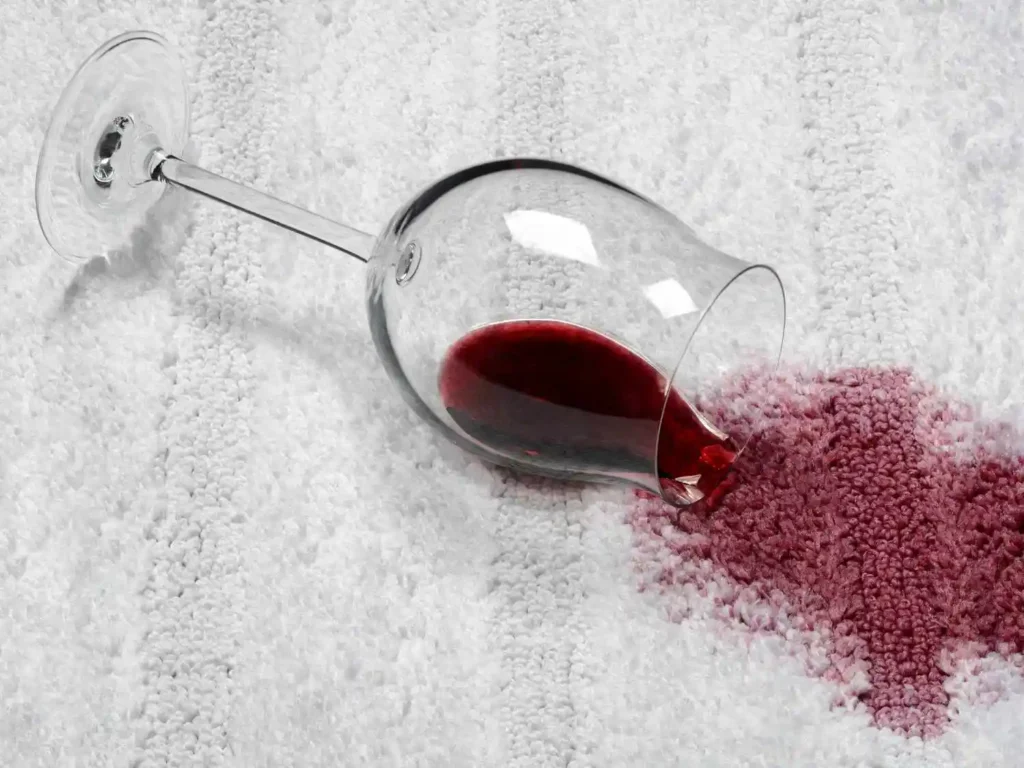
The classic party foul. Years ago, at a wedding reception, a guest dumped an entire glass on a bride’s white dress. Panic ensued, but we flushed it immediately with cold water from the wrong side—hot water would’ve cooked the tannins in.
For fresh wine on clothes, hold the fabric under cold running water until it runs clear, then hit it with dish soap (Dawn is my go-to for cutting through pigments) worked in gently. Let it sit 10-15 minutes, rinse, and wash.
For set-in or old wine, soak in a mix of equal parts white vinegar and water for 30 minutes before laundering. On carpet, I’ve blotted excess, then dabbed with a 1:1 vinegar-water solution followed by plain water rinses—pat dry obsessively to avoid mildew.
Once, I skipped the final rinse and ended up with a faint ring that took two more rounds to erase.
Blood Stains
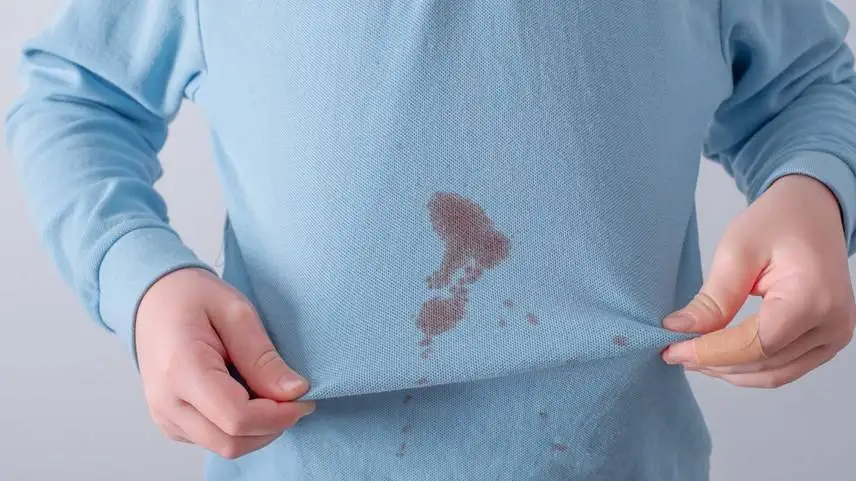
Protein-based, so cold is king—hot sets it like glue. I’ve pulled countless nosebleed spots from kids’ sheets by soaking immediately in cold water, then dabbing with hydrogen peroxide (3% strength) on light fabrics. It bubbles up the proteins beautifully.
For darker colors or wool, skip peroxide to avoid bleaching; use an enzyme laundry detergent instead, rubbed in with an old toothbrush. I once ignored my own advice on a silk blouse—used warm water—and watched the stain darken permanently. Lesson learned: test everything.
Grease and Oil Stains (including cooking oil, makeup, motor oil)
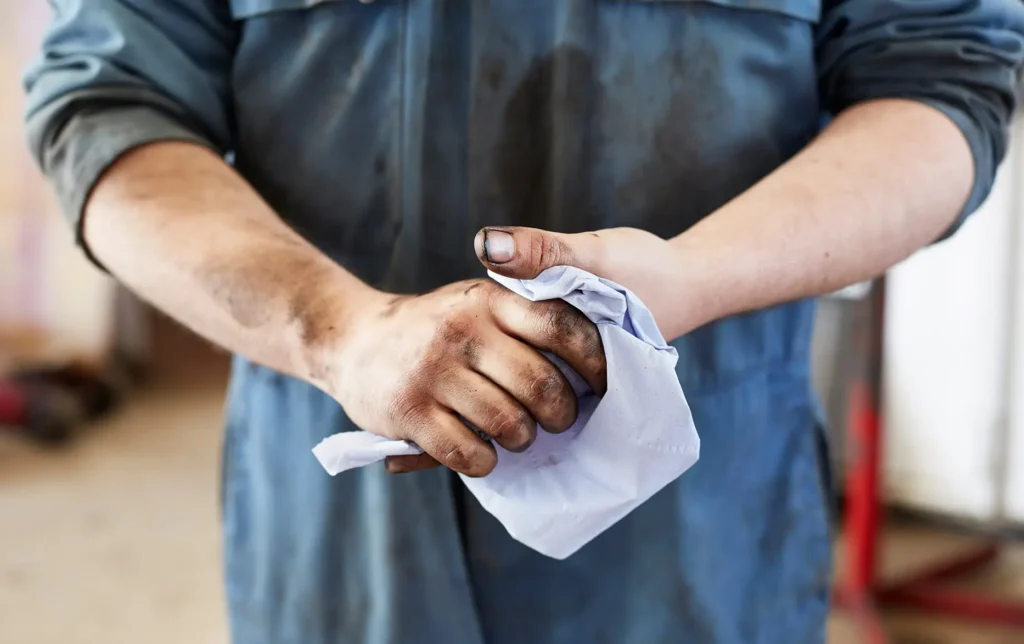
These laugh at water alone. Blot excess with paper towels, then apply dish soap directly—rub it in like hand lotion. Let it sit 15-30 minutes (overnight for bad ones), then wash in the hottest water safe for the fabric.
Cornstarch or baby powder absorbs fresh grease on upholstery or carpet; sprinkle, wait 15 minutes, vacuum, then treat residue with the soap method. A mechanic friend’s coveralls taught me this: dish soap plus a pre-soak in warm water beats any commercial degreaser for old motor oil.
Grass Stains
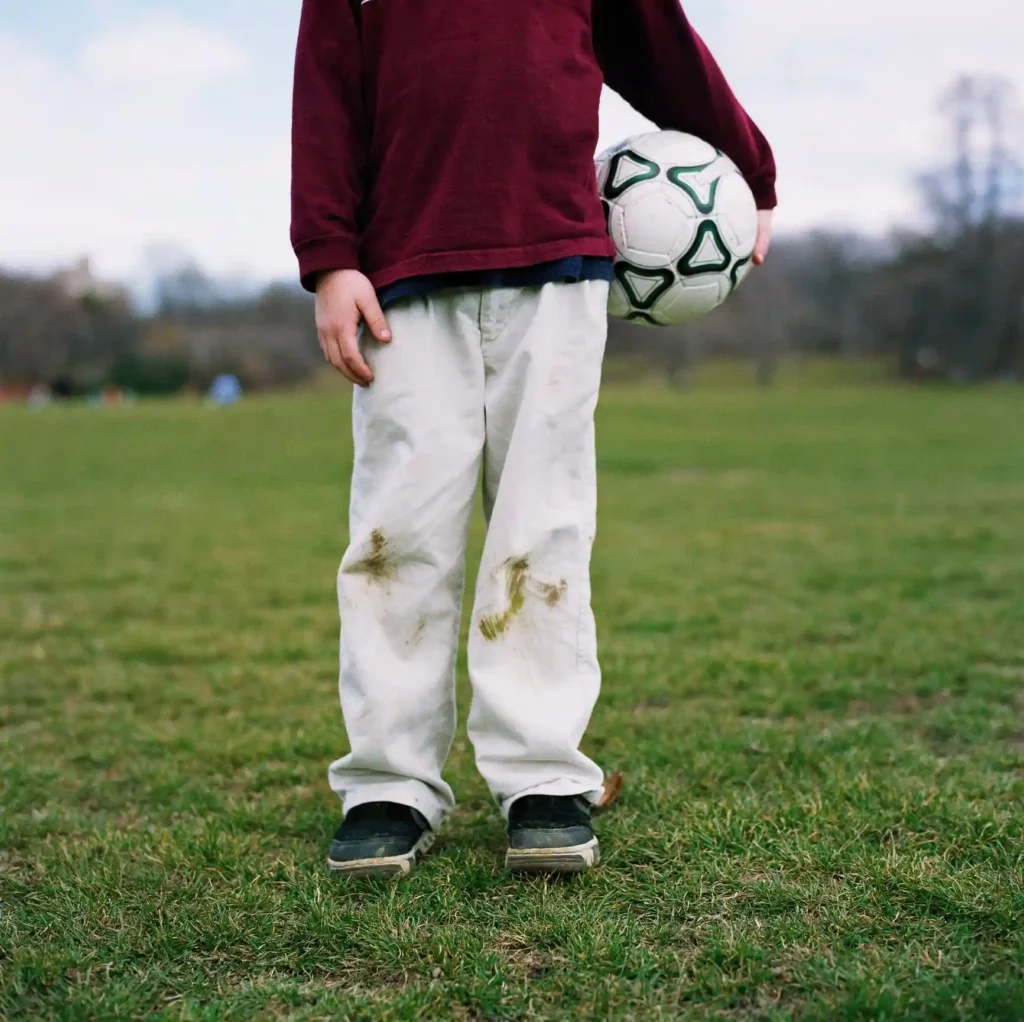
Kids and sports turn white shorts green overnight. Chlorophyll is a dye, so hit it with white vinegar diluted 50/50 with water, let sit 10-15 minutes, then scrub gently with a soft brush. Enzyme detergents excel here too—I’ve seen grass vanish after a pre-treat and hot wash.
For stubborn patches on jeans, I’ve used a baking soda paste (baking soda + water), scrubbed, and rinsed. One summer camp counselor I knew swore by toothpaste; it worked on fresh ones, but vinegar was more reliable long-term.
Ink Stains (ballpoint, permanent marker)
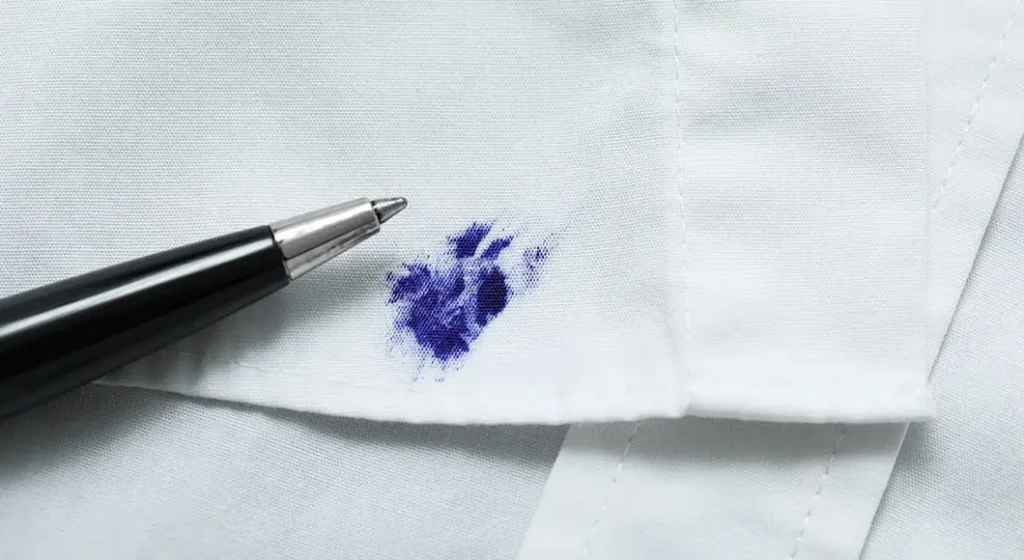
Rubbing alcohol is the hero—dab with a cotton ball, blotting constantly to lift color without spreading. Hairspray (high-alcohol kind) works in a pinch.
For upholstery, I’ve used alcohol sparingly, then rinsed with soapy water. Once on a leather couch, I overdid it and dried the leather; now I follow with a conditioner. White vinegar helps fade residual pigment.
Coffee and Tea Stains
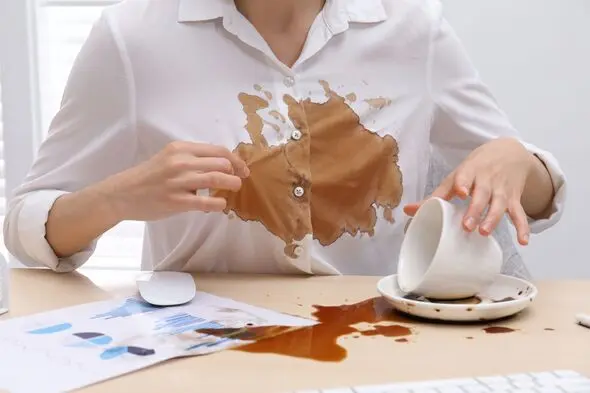
Blot, then flush with cold water. Soak in a mix of dish soap, white vinegar, and lukewarm water (1/4 tsp soap + 1 Tbsp vinegar per cup). Enzyme detergent finishes it. I’ve rescued many a white shirt collar from daily coffee drips this way—pre-treat nightly if you’re a klutz like me.
Sweat and Deodorant Yellowing Stains
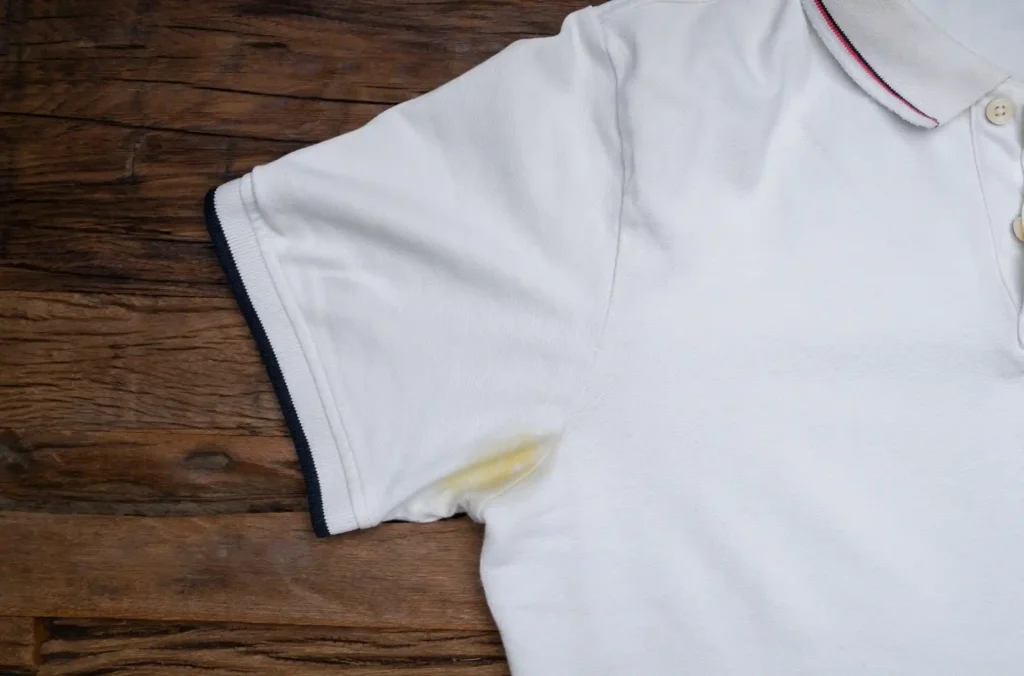
Yellow pits on shirts? Mix oxygen bleach (like OxiClean) with detergent into a paste, apply, let sit for hours or overnight, then wash. For old buildup, I’ve soaked in a Borax solution. Avoid chlorine bleach on synthetics—it can yellow worse.
General Carpet and Upholstery Tips
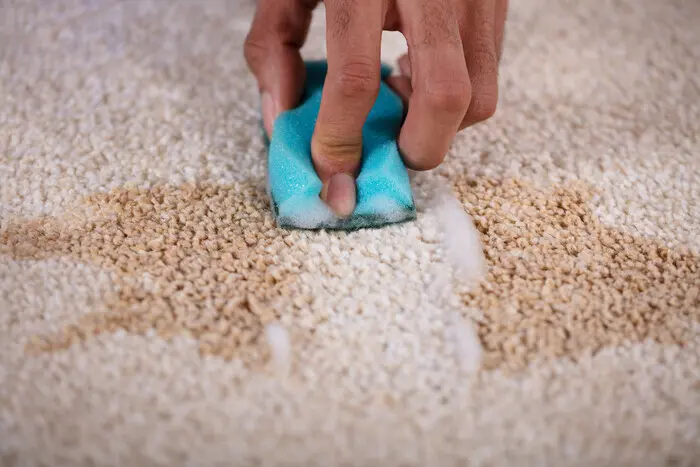
Vacuum first to lift loose bits. For most spots, mix 1/4 tsp dish soap in 1 cup lukewarm water, dab on, blot dry. Tough ones get vinegar or hydrogen peroxide boosts. Steam loosens set-in stains before treatment. I’ve revived dingy sectionals by working in small sections, always blotting excess moisture to prevent mold.
The golden rule after any treatment: air-dry and inspect before heat. Repeat if needed—I’ve run cycles three times on stubborn grass or wine before victory. Stock a simple arsenal: white vinegar, dish soap, hydrogen peroxide, enzyme detergent, rubbing alcohol, and baking soda. With these and quick action, you’ll save far more than you sacrifice.
Life gets messy. But with the right moves, those messes don’t have to leave a mark.