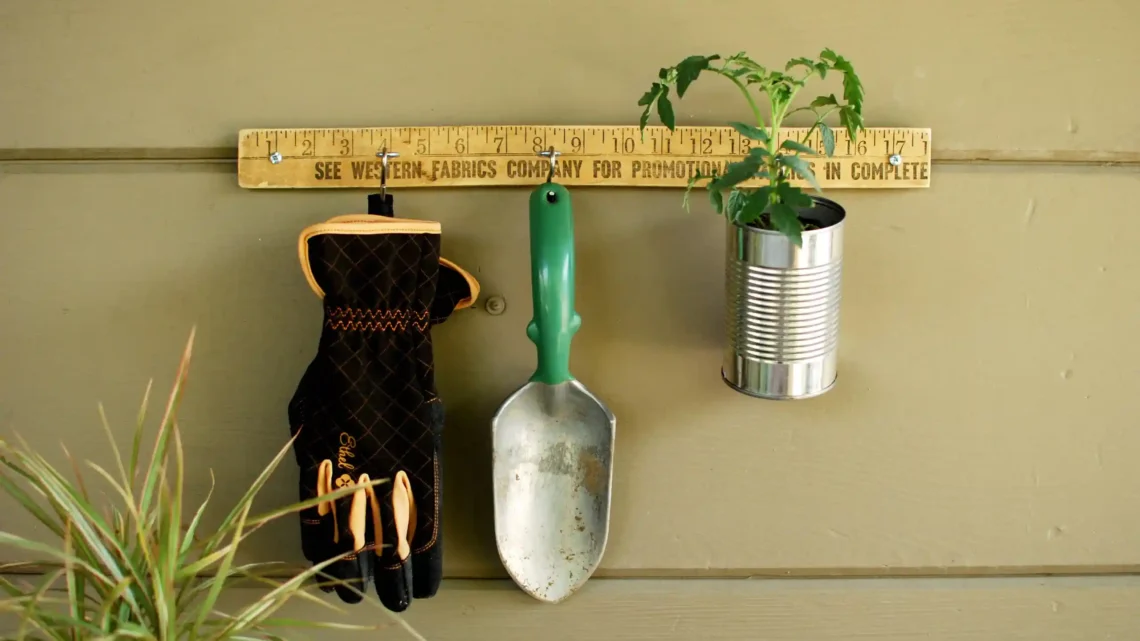
How to Upcycle Common Household Items (Creative Ideas)
After more than a decade of turning trash into treasures—starting back when I was broke in a tiny apartment and couldn’t afford new decor, I’ve learned that upcycling common household items isn’t just about saving money or being eco-friendly.
It’s about seeing potential where others see junk, and honestly, it’s saved me thousands while making my spaces feel mine uniquely.
Trending Now!!:
The biggest mistake beginners make? Jumping in without properly cleaning or prepping the item. I once upcycled a set of old wooden crates into bedside tables without sanding them first—splinters everywhere, and the paint peeled off in weeks.
Lesson learned: always start with a good scrub and light sand if needed. It makes all the difference in how professional the final piece looks.
Let’s dive into some of my favorite creative upcycling ideas that use everyday items you probably have lying around. Unlike complicated Pinterest projects, these are real, tested-in-my-home ideas that have survived kids, pets, and many moves—and offer satisfaction beyond just saving money.
1. Mason Jars and Glass Jars into Stylish Organizers and Planters
Everyone has those jars of pickles, jam, or pasta sauce piling up in the recycling bin. Instead of tossing them, I’ve turned dozens into everything from kitchen canisters to herb planters.
Remove the labels (soak in hot, soapy water or use rubbing alcohol for stubborn glue), rinse them, and you’re set. For organizers, group them by size on a lazy Susan or glue them to a reclaimed board for a wall-mounted spice rack. I painted the lids matte black for a modern look—cheap spray paint from the hardware store works wonders.
My go-to for planters: Drill a few drainage holes in the bottom (use a ceramic bit to avoid cracking), add pebbles at the base for drainage, and plant succulents or herbs. One summer, my kitchen windowsill was full of basil and mint from old sauce jars—fresh pesto on demand, zero cost. Just watch for overwatering; glass doesn’t breathe like terracotta.
2. Old T-Shirts into No-Sew Rugs, Bags, or Cleaning Cloths
Fabric scraps and worn-out tees are goldmines. I stopped buying paper towels years ago after realizing old cotton shirts cut into squares make the best dusting cloths—super absorbent and washable.
For something fancier, try a braided rug. Cut the shirts into long strips (about 2-3 inches wide), then braid three strips together and coil them into a circle, hand-stitching or hot-gluing as you go.
My first one was lumpy and uneven, but after a few tries, I made a sturdy bath mat that’s held up for eight years. No sewing machine needed if you use fabric glue.
Pro tip: Darker colors hide dirt better in high-traffic areas. And if you’re feeling ambitious, weave strips into a tote bag—great for groceries and way sturdier than those flimsy reusable ones.
3. Plastic Bottles into Vertical Garden Planters or Bird Feeders
Plastic bottles get a bad rap, but they’re perfect for sustainable home decor. Cut the top off a 2-liter soda bottle, flip it upside down, poke holes for a string, and hang it as a self-watering planter. Poke smaller drainage holes at the bottom, fill with soil, and plant trailing herbs or flowers. I have a whole balcony “wall” of these—cheap, lightweight, and they recycle rainwater nicely.
For bird feeders, cut feeding ports near the bottom, add perches from sticks, fill with seeds, and hang. Using these upcycled feeders is more satisfying than seeing plastic go to waste.
4. Wine Bottles or Empty Bottles into Candle Holders, Vases, or Lamps
Empty wine bottles are everywhere after gatherings. Clean them out (vinegar helps with red wine stains), and you’ve got instant vases. Group different shapes and heights on a tray for an instant centerpiece—add fairy lights inside for evenings.
Drill a hole through the bottom of the bottle (use a glass bit and a steady hand) to make a table lamp. Thread a lamp kit through, add a lampshade, and you have custom lighting. These handmade lamps always draw positive attention from guests.
5. Old Books or Magazines into Wall Art or Storage
Damaged books? Don’t toss them. Remove pages for decoupage projects or stack them as risers for shelves. I once turned vintage hardcovers into a side table by gluing four stacks together and topping with glass—sturdy and quirky.
Magazines rolled into tight tubes and glued make surprisingly strong coasters or even woven baskets for remotes. It takes patience, but the texture is gorgeous.
6. Cardboard Boxes and Cereal Boxes into Drawer Dividers
This one’s a game-changer for the organization. Cut cereal boxes to size, wrap them in wrapping paper or contact paper, and slot them into drawers. My junk drawer went from chaos to calm with these custom dividers—no more lost batteries.
I’ve also used shipping boxes to make under-bed storage by reinforcing with duct tape and adding handles from old belts.
The real satisfaction of upcycling comes from creating useful and beautiful pieces from everyday items. Start with something small and see what you can transform. Even mistakes become learning experiences, and over time, your home will reflect your experiments and creativity, all while minimizing waste.
If you’re beginning, try eco-friendly projects that address a practical need in your home. What will you upcycle first? Share your ideas or experiences if you try any of these suggestions.