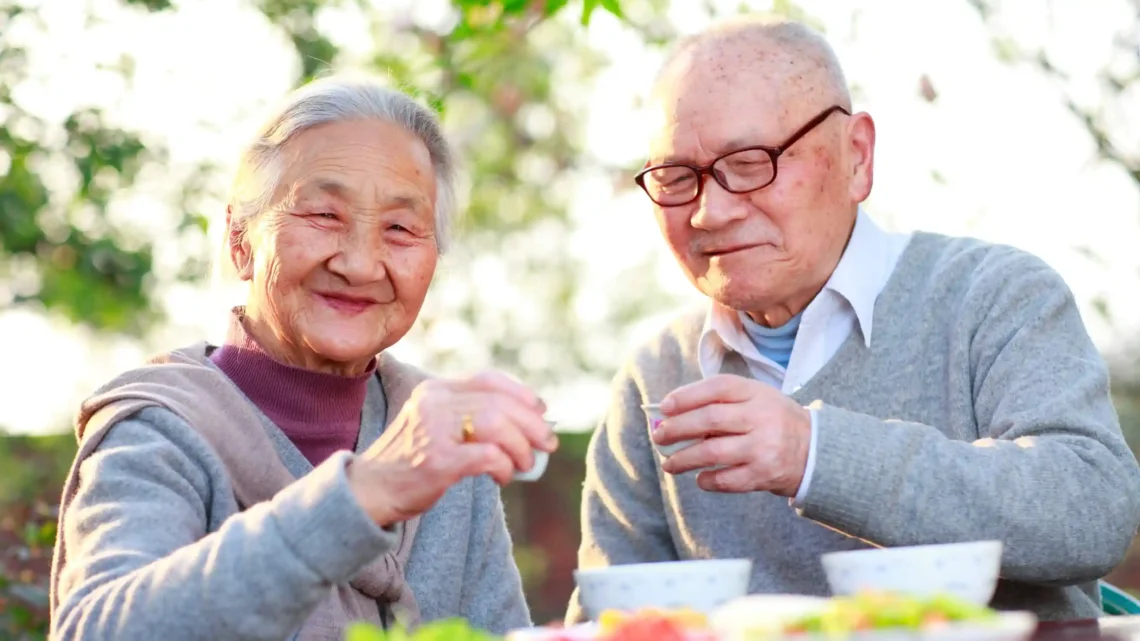
Longevity Diets: What the World’s Oldest People Actually Eat
I’ve spent over a decade working with clients on nutrition for healthy aging, and one thing stands out: the longest-lived people don’t follow fad diets.
They eat real food, grown locally, prepared simply, and enjoyed with family. These are the folks in the Blue Zones—places like Okinawa, Sardinia, Ikaria, Nicoya, and Loma Linda—where centenarians aren’t rare; they’re everyday neighbors.
Trending Now!!:
After years of studying their habits and trying to adapt them myself (with plenty of trial and error), I’ve learned that the secrets to their longevity diet aren’t complicated. It’s about consistency, pleasure, and plants.
Discovering the Blue Zones: Real People, Real Longevity
When I first dove into the Blue Zones research, I was skeptical. Could diet really make that much difference?
But after visiting Sardinia and talking to a 102-year-old shepherd who still tended his goats, it hit me—these aren’t lab experiments; these are vibrant communities where people thrive into their 90s and 100s without chronic diseases plaguing the rest of us.
The common thread? A plant-based longevity diet that’s about 95% vegetables, beans, whole grains, and fruits. Meat shows up maybe five times a month, in small portions, like a celebration rather than a staple.
No one there is counting macros or chugging protein shakes. They just eat what their grandparents ate.
The Cornerstone: Beans Every Day
If there’s one food that screams Blue Zones diet, it’s beans. Black beans in Nicoya, lentils and chickpeas in the Mediterranean zones, soybeans in Okinawa—every longevity hotspot has its favorite legume.
These folks eat at least half a cup cooked daily, often more. I remember trying to go bean-heavy with a client who hated them. We started small: a handful in soups.
Within months, her energy stabilized, and her blood markers improved. My mistake early on? Overcomplicating it with fancy recipes. The centenarians keep it simple—boiled with herbs, olive oil, maybe some garlic.
Beans lower cholesterol, steady blood sugar, and pack fiber that feeds your gut microbiome. That’s the quiet engine behind healthy aging. Skip the canned stuff loaded with sodium; soak and cook your own. It’s cheaper, tastes better, and feels more authentic.
Leafy Greens and Garden Vegetables: The Daily Foundation
The best longevity foods I’ve seen in action are leafy greens. In Ikaria, wild greens foraged from hillsides; in Sardinia, beet tops and chard; in Okinawa, bitter melon and seaweed. These aren’t side dishes—they’re the meal.
One vivid memory: sitting with an Ikarian family, watching grandma toss handfuls of fresh-picked greens into a pot with potatoes and olive oil. No measuring, just instinct. That simplicity is key.
I’ve burned out clients pushing “superfood” kale smoothies. Instead, roast greens with garlic or add to stews. The antioxidants and nitrates help blood flow and reduce inflammation—real tools for warding off heart issues and cognitive decline.
Don’t forget tubers like sweet potatoes in Okinawa or squash in Nicoya. They’re filling, naturally sweet, and sustain energy without spikes.
Nuts, Olive Oil, and Whole Grains: The Flavor Boosters
A handful of nuts daily—almonds in Sardinia, pistachios elsewhere—adds healthy fats and satisfaction. They’re the perfect snack when you’re tempted by processed junk.
Olive oil drips liberally in Mediterranean Blue Zones, linked to lower mortality. Use it generously on salads or for cooking.
Whole grains? Sourdough or barley breads, not refined fluff. They digest slowly, keeping you full and steady.
What They Limit: Meat, Sugar, and Overeating
Meat isn’t forbidden, but it’s rare—pork on holidays in Sardinia, fish a few times a week in coastal areas. Loma Linda Adventists go mostly vegetarian.
The result? Less inflammation, better heart health.Processed sugar? Almost nonexistent. Sweets come from fruit or occasional honey. Portion control is instinctive. Okinawans follow the “hara hachi bu” rule—eat until 80% full.
I tried this and initially felt deprived, but it became liberating. No bloating, more energy. Pair it with eating earlier in the day; late-night snacking isn’t their style.
Making It Work in Real Life: My Hard-Won Lessons
Adapting a Blue Zones longevity diet isn’t about perfection. I once went cold turkey on meat and felt miserable—cranky, unsustainable. Now, I treat it as 90% plants, with flexibility.
Start with one change: add beans to dinner three nights a week. Grow herbs or shop at farmers’ markets for that fresh taste. Eat with people you love—lonely meals sap the joy.
Over the years, I’ve seen clients reverse prediabetes, drop medications, and just feel alive longer. The world’s oldest people don’t diet for longevity; they live it. Their food nourishes body and soul.
If you’re chasing a longer, healthier life, look to these centenarians. Their plates hold the real secrets to longevity—simple, delicious, and profoundly effective.