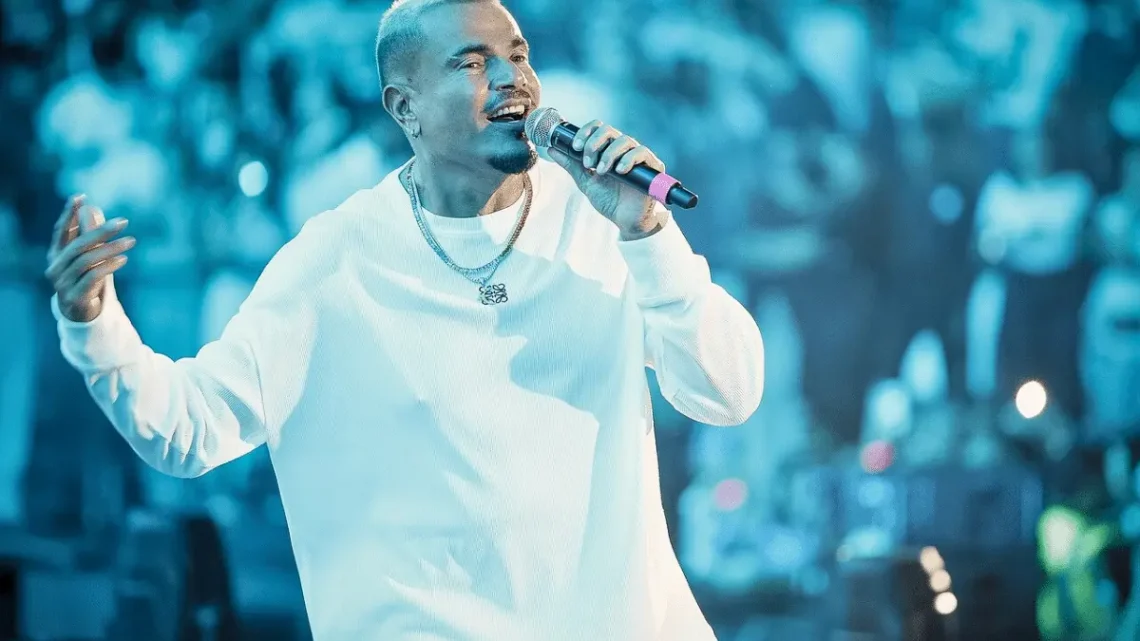
Meet the Top 10 Richest Musicians in Egypt
From Amr Diab's Mediterranean empire to Wegz's digital rise, these are the Egyptian artists who turned talent into serious wealth, and the stories behind how they did it.
Egypt has always been more than pyramids and pharaohs. Long before the world started streaming Spotify playlists and scrolling TikTok, Cairo was the Hollywood of the Arab world, the place where music travelled from cassette tape to radio tower to living room across every corner of the Middle East, North Africa, and the Arab diaspora from London to Los Angeles.
The Egyptian music industry has produced icons who do not simply sing; they shape culture, move political opinion, and build business empires that outlast their chart runs. Wealth, in the Egyptian music scene, is rarely just about record sales.
Trending Now!!:
It stacks up through concert deals, acting careers, brand endorsements, streaming revenue, and in some cases, the kind of multigenerational catalogue that keeps paying long after the artist has stopped promoting.
This list is not a simple ranking of who has the most zeros in a bank account. It is a look at how Egypt’s most successful musicians actually built their wealth, where their money comes from, the decisions they made that set them apart, and the lessons their careers carry for anyone paying close attention to the Arab entertainment economy.
Net worth figures for Egyptian artists are not easy to nail down precisely, partly because Egypt’s entertainment deals are frequently negotiated in private and partly because currency fluctuations mean that Egyptian pound earnings translate into dollars in ways that shift constantly.
The estimates here draw from Celebrity Net Worth, Popnable’s annual earnings trackers, industry interviews, and cross-referencing across multiple entertainment finance sources.
1. Amr Diab, Net Worth: Approximately $45 to $70 Million
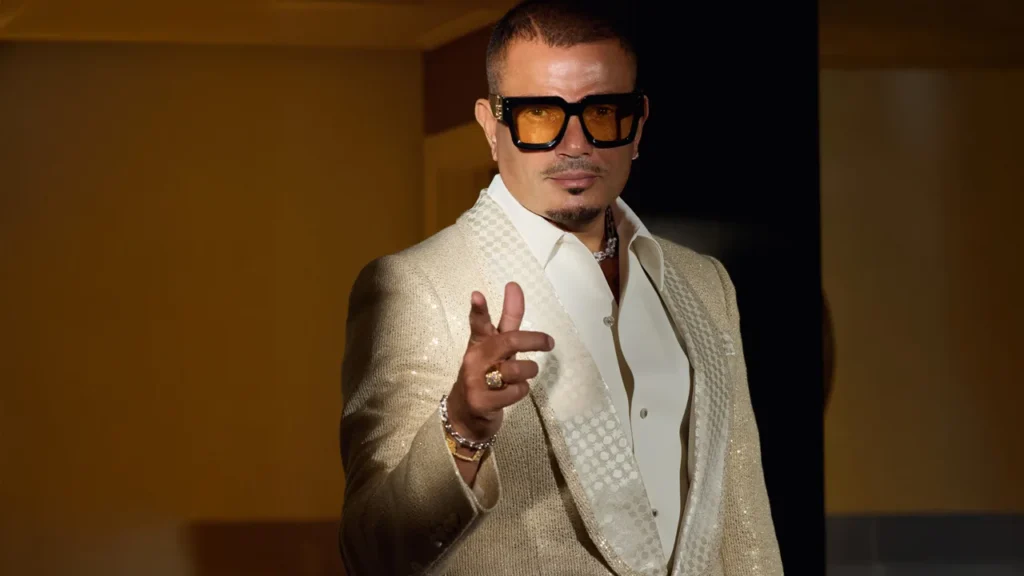
Amr Diab is an Egyptian singer and composer with an estimated net worth of $45 million, and he is widely known as the godfather of Mediterranean music and the best-selling Middle Eastern artist of all time.
Other estimates place him closer to $70 million when real estate holdings and business ventures are factored in. Either way, he is not simply the richest musician in Egypt; he is in a category entirely his own.
Born on October 11, 1961, in Port Said, Egypt, Diab graduated with a bachelor’s degree in music from the Cairo Academy of Arts in 1986. His origin story matters because Port Said is not Cairo. He was not born into the center of Egypt’s entertainment establishment.
He built his way into it, and that outsider drive has never fully left his music. He is a Guinness World Record holder, the best-selling Middle Eastern artist, a seven-time winner of World Music Awards, and a five-time winner of Platinum Records. Rolling Stone ranked his song “Tamally Maak” first on their list of the 50 Best Arabic Pop Songs of the 21st Century.
What separates Diab from every other Egyptian musician in financial terms is the combination of longevity and reinvention. He has been commercially active since 1983 and has never had a period where the wider Arab audience stopped caring. He is considered the highest-paid among Egyptian singers, earning five million Egyptian pounds per concert, equivalent to approximately $262,000.
His revenue streams run deep, including concert income, album royalties, brand endorsements, including major telecom deals, real estate investments across Egypt and internationally, and a digital presence that continues to generate YouTube advertising income.
His album “Leily Nahary” topped the Billboard World Albums Chart, making him the first Egyptian and Middle Eastern performer to achieve this feat. When you want to understand what the ceiling looks like for financial success in Egyptian pop music, Amr Diab is the ceiling.
2. Mohamed Mounir, Net Worth: Approximately $19 Million
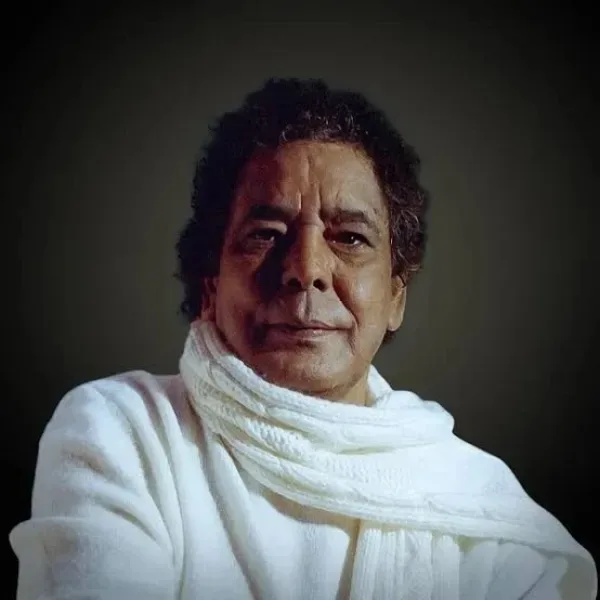
Mohamed Mounir is an iconic Egyptian singer and actor with an estimated net worth of $19 million. His fans call him “El King,” and in the Cairo music world, that title carries weight that no marketing campaign manufactured.
Born on October 10, 1954, Mounir incorporates various genres into his music, including classical Egyptian music, Nubian music, Blues, Jazz, and Reggae, and his lyrics are noted both for their philosophical content and for their passionate social and political commentary.
Mounir’s wealth accumulated differently from Diab’s. Where Diab rode commercial pop to global dominance, Mounir built a career on artistic credibility that translated into decades of loyal concert attendance, film royalties, and a catalogue that Egyptian broadcasting has never stopped playing.
His 2021 performance at the Pharaohs’ Golden Parade, singing from a ceremonial funerary boat on the lake in front of the National Museum of Egyptian Civilization, captivated global audiences and reaffirmed his cultural stature. That single moment, watched by hundreds of millions worldwide, is the kind of earned visibility that no publicity budget can manufacture.
His song “El-leila Ya Samra” won a BBC poll of the 50 best African songs of the 20th century, placing him in a tradition that extends far beyond the Egyptian pop market. In a country where musical royalties and legacy catalogue value are often underestimated, Mounir represents the financial power of artistic longevity over commercial trend-chasing.
3. Mohamed Ramadan, Net Worth: Approximately $5 to $8 Million
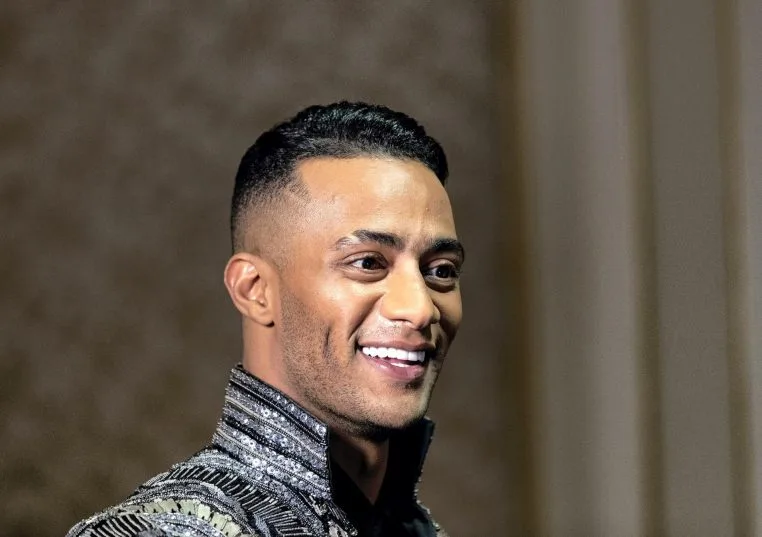
Mohamed Ramadan is the most polarizing figure on this list, and that polarization has not hurt his income one bit.
He is an Egyptian singer, actor, rapper, dancer, and producer who has built a personal brand that operates at the intersection of street energy and mainstream spectacle. In 2024, Ramadan earned between $2 million and $2.6 million, and across earlier peak years, his annual figures reached as high as $4.3 million.
Ramadan’s financial playbook is worth studying closely. His acting career runs parallel to his music career, and both amplify the other. He understands social media as a revenue engine in ways that older Egyptian artists simply do not, regularly using Instagram and YouTube to create moments that generate coverage and streams simultaneously.
His concerts draw enormous crowds in Egypt and across the Gulf, and his reputation for high-energy performances commands premium concert fees. Songs like “Paris Dubai” and “Sting Ya King” announced a new generation’s taste for bravado-heavy production, and he captured that market fast enough to monetize it before the trend moved on.
4. Mohamed Hamaki, Net Worth: Approximately $4 to $6 Million

Mohamed Hamaki is one of those musicians who industry insiders will tell you is more respected than his casual public profile suggests.
In 2022, Hamaki received a profit between $4.7 million and $6.1 million, ranking him among the highest-earning musicians in Egypt that year. Born November 4, 1975, he won the award “Best Arabia Act” at the MTV Europe Music Awards in 2010, and the music award for “Ahla Haga Fiki” in 2006.
Hamaki has built his wealth steadily rather than explosively. His vocal style is clean, radio-ready, and deeply familiar to anyone who has spent time in a Cairo taxi or a Gulf shopping mall, and that kind of pervasive familiarity translates directly to streaming numbers and concert bookings.
He is the kind of artist brands reach for when they need their product associated with a warm, trusted emotional register, and his endorsement portfolio has consistently reflected that. What makes Hamaki’s financial position durable is that he has never overextended his brand. He is not trying to be a mogul.
He has focused on being an excellent singer with excellent business management, and the compound effect has made him one of the wealthiest active musicians in the Egyptian market.
5. Tamer Hosny, Net Worth: Approximately $3 to $5 Million

Tamer Hosny is the “King of the Generation,” a nickname his fans gave him early in his career, and that has proven remarkably accurate.
He is an Egyptian singer, actor, composer, director, and songwriter who launched his solo career with his 2004 album “Hob,” becoming a successful singer of romantic music. In 2024, Hosny received a profit between $2.4 million and $3.1 million, and across peak years that figure ran considerably higher.
His is a career built on genuine pop instinct. He understood what young Egyptian audiences wanted before market research could tell the labels, and he delivered it consistently through albums, acting roles in Egyptian films, and a social media presence that kept him culturally current well into his second decade of fame.
He broke a Guinness World Record in 2019 for the most contributions to a bulletin board, which sounds minor until you understand what it signals: a performer so connected to his fanbase that he can mobilize them at scale. That same mobilization capacity translates into sold-out concerts and long-running endorsement relationships with brands targeting Egyptian youth.
6. Sherine Abdel-Wahab, Net Worth: Approximately $2.5 to $4 Million

Sherine Abdel-Wahab was born on October 8, 1980, in Cairo, Egypt, and is one of the most powerful female voices in Egyptian music.
She has built a career across singing, acting, and television, serving as a judge on MBC’s “The Voice: Ahla Sawt” in the Arab world, a role that extended her visibility into the Gulf market far beyond what concert bookings alone would have achieved. In 2024, Sherine Abdel-Wahab earned between $2.1 million and $2.7 million.
Her financial story is complicated in ways that matter. Controversies around public statements about the Nile River led to a performance ban that cost her significant income for a period, and the career interruption demonstrated how reputation risk can translate directly into financial risk for Egyptian artists in a way that Western markets sometimes underestimate.
She recovered, returned to the charts, and rebuilt her concert schedule, but the episode illustrated how quickly institutional support can evaporate in the Egyptian and Gulf entertainment ecosystem. Her resilience in bouncing back speaks to both her talent and the genuine loyalty of a fanbase built over two decades of serious, emotionally resonant music.
7. Hamza Namira, Net Worth: Approximately $1.5 to $2.5 Million
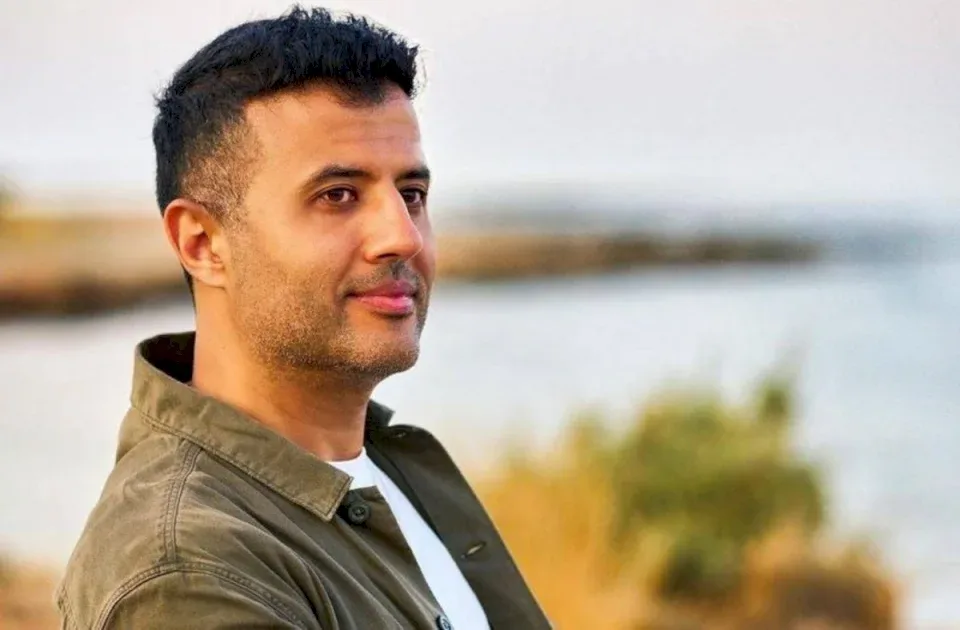
Hamza Namira is not the name that appears first in any conversation about Egyptian pop wealth, and that is precisely what makes his financial position interesting.
He built his following through music that engaged directly with social consciousness, political identity, and the kind of lyrical depth that a generation of post-2011 Egyptian youth found absent in commercial pop. In 2024, Namira earned between $1.2 million and $1.6 million.
His concerts draw serious, engaged audiences willing to pay premium prices for an experience that feels meaningful rather than simply entertaining. He is the Egyptian equivalent of what international journalists sometimes call an “artist’s artist,” someone whose influence on the culture exceeds what the raw streaming numbers might suggest.
He has also benefited from touring in the Arab diaspora in Europe and North America, where ticket prices are denominated in currencies considerably stronger than the Egyptian pound.
8. Wegz, Net Worth: Approximately $2 to $3 Million

Wegz is the future arriving early. The young Egyptian rapper has done more to bring Egyptian hip-hop and rap into the mainstream Arab conversation than anyone in the generation before him, and the financial recognition has followed the cultural one.
In 2022, Wegz earned between $1.2 million and $1.5 million, and by 2023, his earnings had grown to between $2.9 million and $3.8 million, reflecting one of the fastest financial ascents in recent Egyptian music history.
His sound is unmistakably Cairo, but it borrows from trap, UK drill, and Mahraganat street music in a way that gives it reach beyond the Egyptian domestic market. Streaming platforms have been the central engine of his income growth, because his music travels well digitally across the Arab world and reaches diaspora audiences who consume content differently from older listeners.
For any honest assessment of where Egyptian music wealth will concentrate over the next decade, Wegz is an unavoidable data point.
9. Ramy Sabry, Net Worth: Approximately $2 to $3 Million
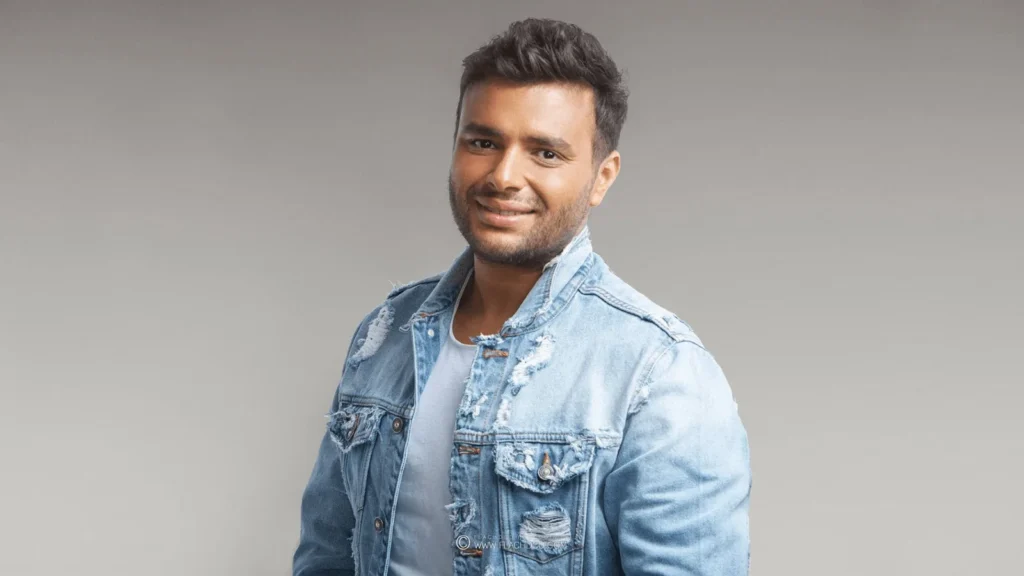
Ramy Sabry has been one of the most consistent earners in Egyptian music for years without generating the celebrity gossip that keeps some of his peers in headline rotation.
He is a serious singer with a serious catalogue, and the Egyptian music industry has rewarded consistency with steady commercial returns. In 2024, Sabry earned between $1.7 million and $2.2 million.
His strength is a vocal style that crosses generational lines, something that matters enormously in Egypt, where radio programmers, satellite channels, and concert bookers all serve audiences ranging from teenagers to grandparents.
He has recorded over 100 songs across a career that has never needed a dramatic reinvention because the foundation was right from the beginning. His endorsement deals tend toward reliability-first brands that want emotional warmth rather than edge, and that niche has kept his income stable through the market disruptions that have challenged younger, trend-dependent acts.
10. Hassan Shakosh, Net Worth: Approximately $1.5 to $2.5 Million
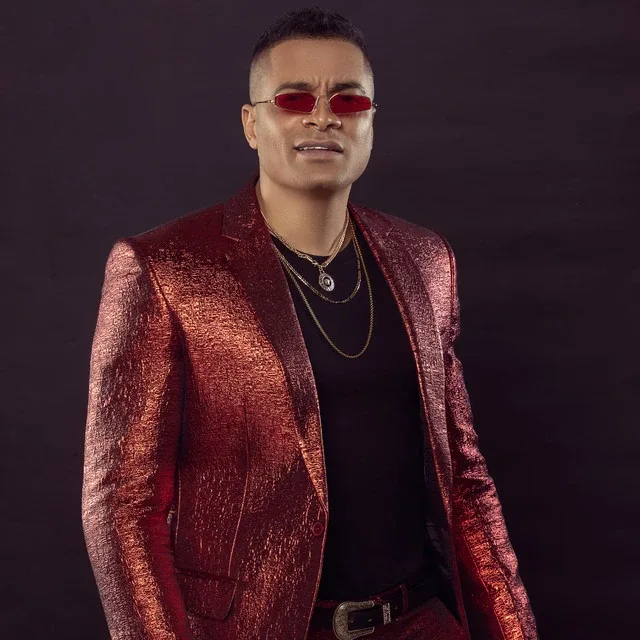
Hassan Shakosh represents something genuinely new in the story of Egyptian music wealth.
He is the most commercially successful figure to emerge from the Mahraganat movement, the raw, electro-shaabi street music genre that Egyptian authorities once tried to suppress and that has since become inescapable on Egyptian radio, in wedding halls, and across the Arab streaming charts. In 2022, Shakosh earned between $1.5 million and $1.9 million.
The lesson of Shakosh’s financial rise is one that the Egyptian music establishment took time to absorb: authenticity builds faster in the digital age than polish does. His music sounds like Cairo at street level, not Cairo as imagined by satellite TV executives, and a generation of young Egyptians found that more compelling than anything a major label produced in the same period.
His earnings are a direct function of streaming numbers and concert demand that nobody in a Cairo boardroom predicted, which makes him perhaps the most genuinely surprising wealth story on this entire list.
Egypt’s music economy is at a crossroads that anyone tracking the Arab entertainment world should be watching. The old revenue models built on cassette sales, record deals with Alam El Phan or Rotana, and satellite television performance slots are giving way to a digital landscape where streaming royalties, YouTube monetization, and direct-to-fan concert sales are reshaping who earns what.
The richest musicians in Egypt today are the ones who navigated both worlds, who either built their wealth when the old model was still generous, or who have scaled up fast enough in the digital era to replace what the old model used to provide.
What connects every name on this list, from Amr Diab’s $60 million empire to Hassan Shakosh’s street-level hustle, is that none of them waited for the industry to recognize them. They built audiences that the industry eventually had no choice but to follow.