
Meet Top 10 Richest Musicians in Rwanda
The Rwandan music scene has evolved dramatically over the past two decades, shifting from post-genocide rebuilding efforts to a vibrant industry where artists command substantial fees for shows, secure brand endorsements, and build side businesses in real estate, events, and even agriculture.
I’ve followed these revolutions closely since the early 2000s, attending countless concerts in Kigali’s old venues, like the Camp Kigali grounds, and later at the packed Intare Arena, interviewing artists backstage, and watching how smart financial moves set the enduringly wealthy apart from those who flash and fade.
Trending Now!!:
Net worth estimates in Rwanda’s music world remain unofficial and often inflated by social media speculation, but they stem from observable realities: performance fees that can hit tens of thousands of dollars for top names at diaspora events in Europe or the U.S., lucrative telecom and beverage sponsorships, property investments in upscale Kigali neighborhoods like Nyarutarama, and streaming royalties that, while modest domestically, grow with international appeal.
Here are the top 10 richest musicians in Rwanda, ranked roughly by consensus from industry sources, recent performances, and visible assets.
1. Bruce Melodie
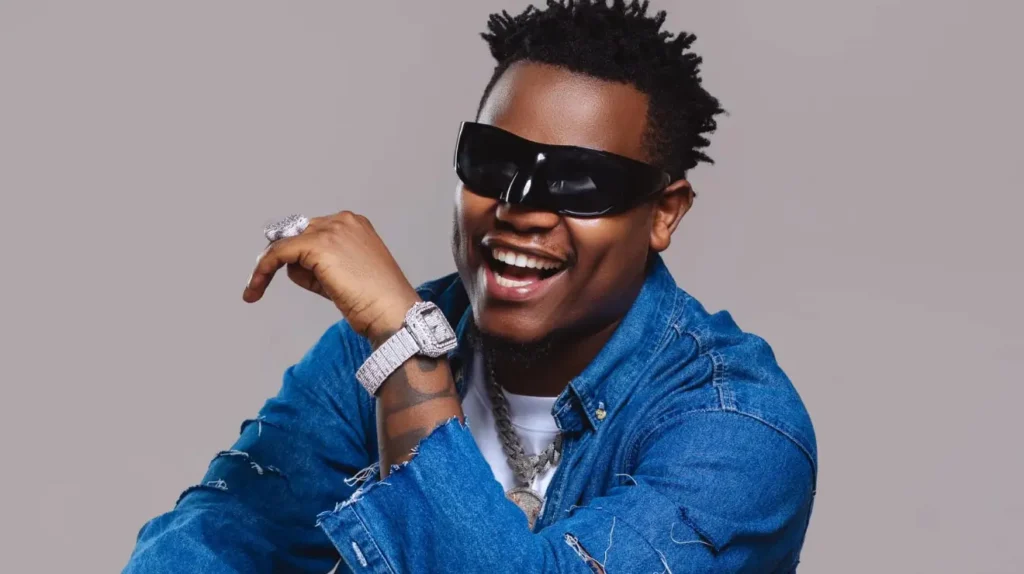
Bruce Melodie remains the benchmark for sustained commercial dominance in Rwandan music. His blend of smooth R&B and Afro-pop hooks has kept him relevant for over a decade, but what sets him apart is his business acumen.
Early on, he diversified into event promotion and real estate, acquiring properties that appreciated as Kigali expanded. I’ve seen him turn down quick endorsement deals that didn’t align with his long-term goals, a mistake many younger acts make by chasing every brand check.
His international touring, especially in Belgium and the U.S., generates significant revenue. Estimated net worth hovers in the multimillion-dollar range, bolstered by consistent hits and smart investments.
2. Meddy

Meddy’s global breakout with “Slowly” in the mid-2010s changed the game for Rwandan artists abroad. He built a loyal diaspora following that translates to high-paying gigs in North America and Europe, often headlining events where tickets sell out fast.
Unlike some who blow earnings on flashy lifestyles, Meddy has invested in production studios and mentorship programs for upcoming talent.
One lesson from watching his path: international exposure demands consistency in branding, something he nailed while others chased fleeting viral moments.
3. The Ben (Ben Ngabo)
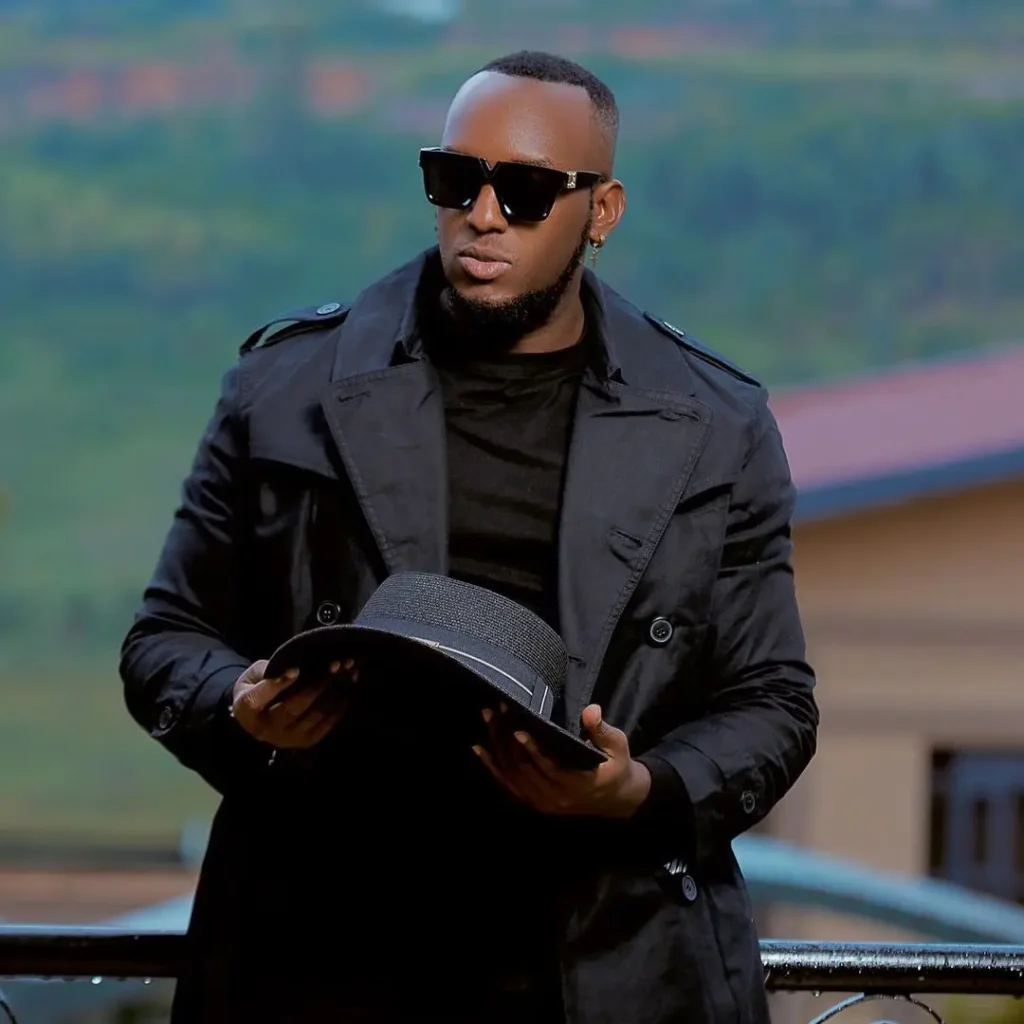
The Ben’s longevity is remarkable, from his early days blending reggae and Afrobeat to becoming a household name. His wealth comes not just from music but from savvy branding, including a popular beer endorsement that ran for years and real estate holdings.
I’ve spoken with promoters who say his booking fee remains among the highest locally, often exceeding what newer stars command. A common pitfall he avoided: overexposure through too many features, which can dilute an artist’s premium value.
4. Knowless Butera
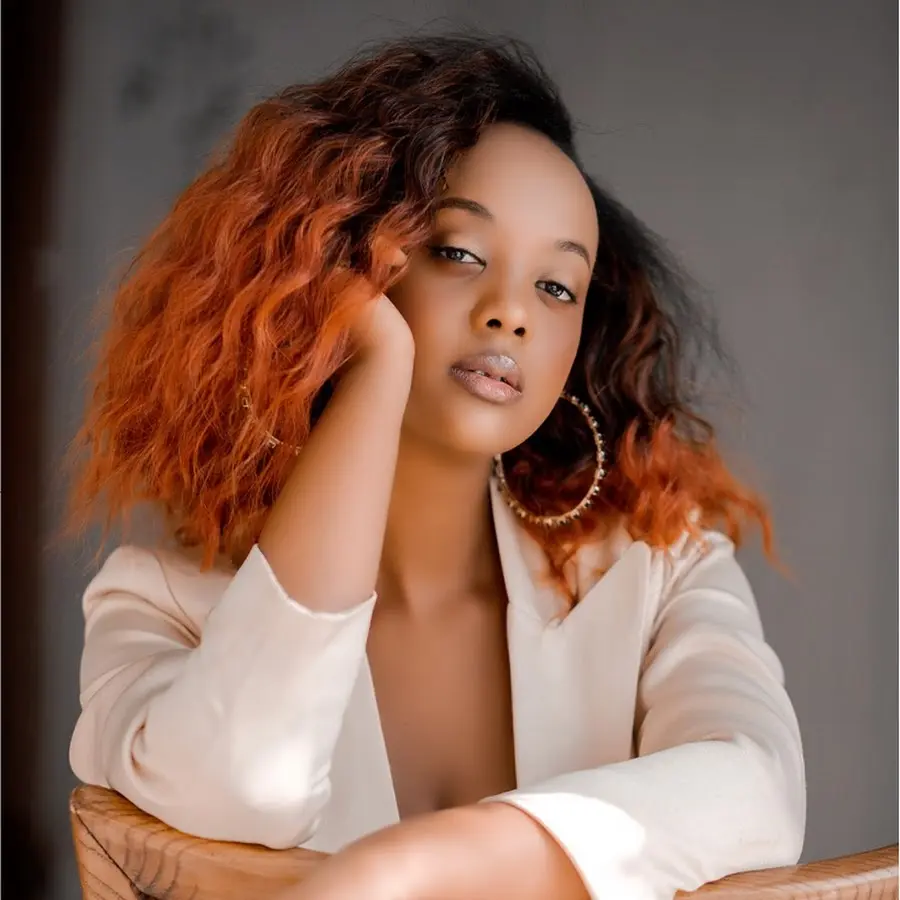
Knowless Butera broke barriers as one of the few women consistently topping charts in a male-dominated scene. Her gospel-infused pop and powerful live performances draw massive crowds, and her brand partnerships with beauty and fashion lines add steady income.
She has spoken openly about the grind of balancing motherhood with touring, a human reality many overlook in wealth discussions. Her trajectory shows that authenticity, especially in a market craving relatable stories, builds lasting fan loyalty and higher earnings.
5. King James
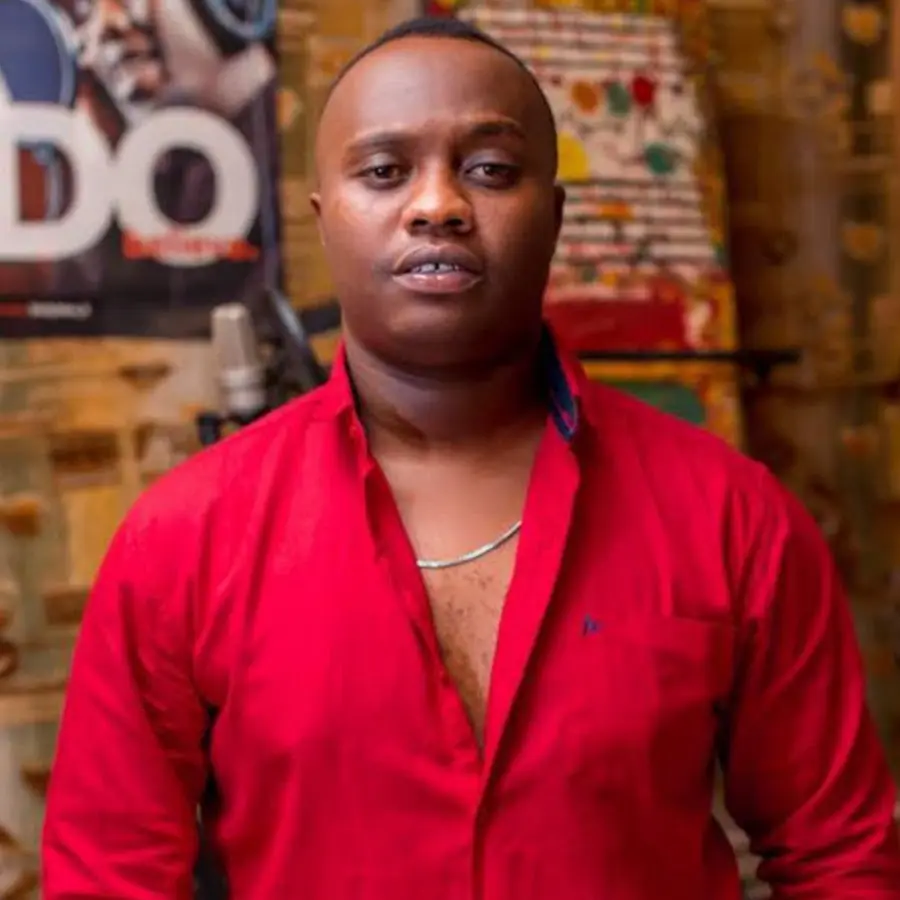
King James pioneered R&B in Rwanda with silky vocals and romantic anthems that still pack dance floors. His wealth stems from early-mover advantages, including prime real estate buys during Kigali’s boom years and a string of high-profile commercials.
One insight from years in the industry: artists who invest earnings immediately in tangible assets weather economic dips better than those relying solely on show money.
6. Juno Kizigenza
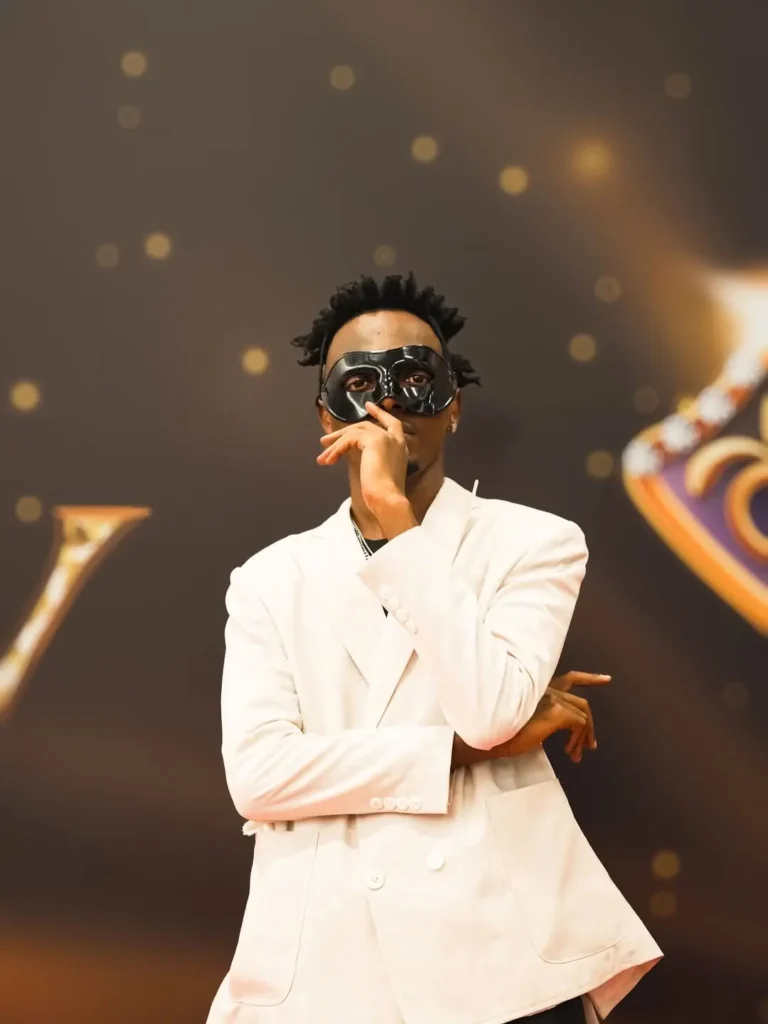
Juno Kizigenza represents the newer generation breaking through with melodic Afro-pop. His rapid rise, fueled by viral tracks and a strong social media presence, has led to solid endorsement deals and growing international bookings.
Yet, like many young stars, he has had to learn the hard way about managing cash flow, a lesson echoed in private conversations with peers who spent lavishly early on only to scramble later.
7. Tom Close

Tom Close’s smooth style and collaborations have kept him relevant across East Africa. His income mix includes production work, events, and property ventures.
I’ve noticed that artists like him who diversify beyond performing often build more stable wealth, avoiding the feast-or-famine cycle of live shows alone.
8. Riderman
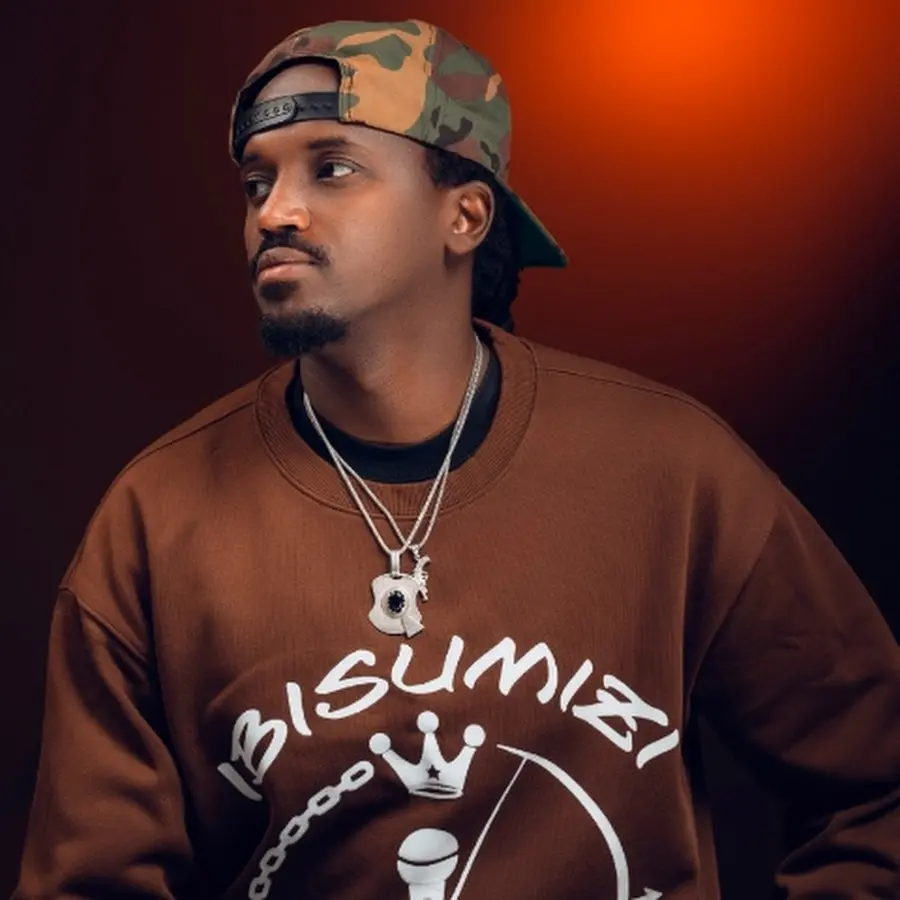
Riderman’s rap-infused tracks and entrepreneurial spirit set him apart early. He ventured into business outside music, including fashion and promotions, which padded his earnings.
His story highlights a key nuance: in smaller markets like Rwanda, pure music revenue caps out quickly, so side hustles become essential for top-tier wealth.
9. Platini P
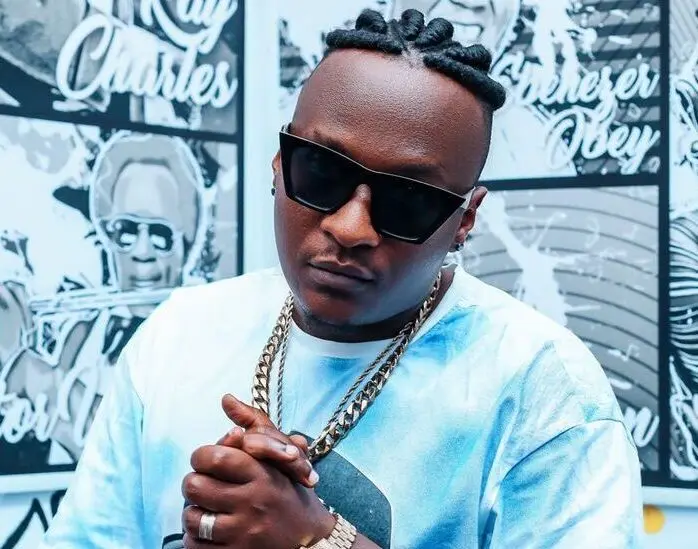
Platini P’s energetic performances and catchy hooks have earned him consistent bookings. His wealth, while solid, comes with the cautionary tale of many in the industry: balancing fame with financial discipline. Those who invest wisely in assets rather than lifestyle often climb higher on these lists over time.
10. Chriss Eazy
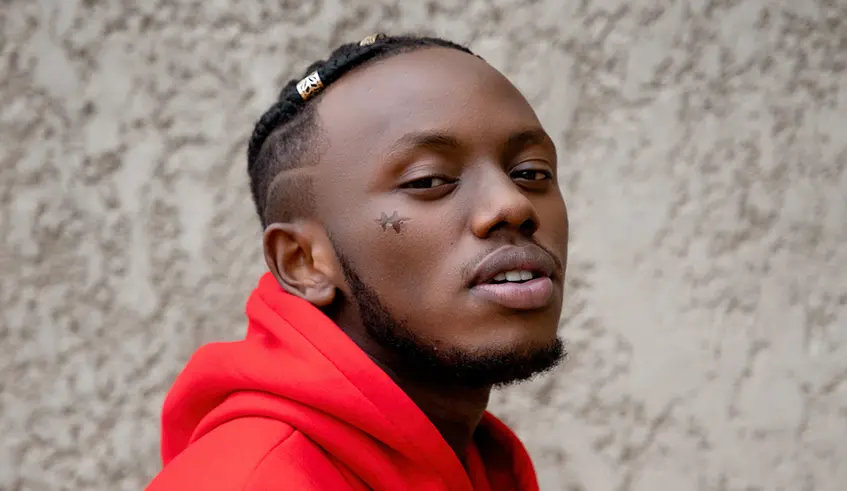
Rounding out the list are talents like Chriss Eazy, whose Afro-fusion sound has gained traction. Newer entrants are climbing fast through digital platforms and diaspora connections, but sustaining riches requires the long-game strategies veterans mastered.
Rwanda’s music industry rewards resilience and diversification more than raw talent alone. Many promising artists I’ve seen flame out after one hit because they failed to build beyond the stage.
The true richest musicians treat their careers like businesses, investing in property, mentoring others, and planning for the day the spotlight dims. In a country still rising economically, these artists not only reflect success but help shape it, turning melodies into lasting legacies.