
Meet Top 10 Richest Musicians in Tunisia
Tunisian music has always been a vessel for the nation’s layered history, carrying the ornate, melancholic strings of Andalusian malouf alongside the raw, defiant cadence of revolutionary rap.
In the twelve years since the 2011 uprising, I have tracked this sonic evolution from cluttered recording studios in the medina of Tunis to packed concert halls in Sfax and diaspora showcases in Paris and Dubai.
Trending Now!!:
What becomes clear after chronicling the industry for over a decade is that artistic brilliance alone rarely translates into financial security here.
In an economy where inflation gnaws at the local market and state royalties often amount to little more than a symbolic gesture, the country’s most successful musicians have had to become something more than artists.
They are entrepreneurs, cultural diplomats, and shrewd businesspeople who have learned to balance deep-rooted heritage with the hustle of the digital age, turning Spotify millions, lucrative Gulf wedding contracts, and strategic brand endorsements into durable wealth.
Exact net worths, as is customary across much of the Arab world, remain closely guarded secrets. However, by aggregating data from streaming analytics, public performance revenues, tour histories, and verifiable business ventures, a clear financial hierarchy emerges.
These figures are not merely a list of bank balances; they are a testament to navigating piracy, currency fluctuations, and the limitations of a small domestic market. The musicians who top this list have mastered not just the art of the hit, but the art of the long game. Here is a definitive, firsthand ranking of the ten richest musicians in Tunisia today.
1. Semah Riahi
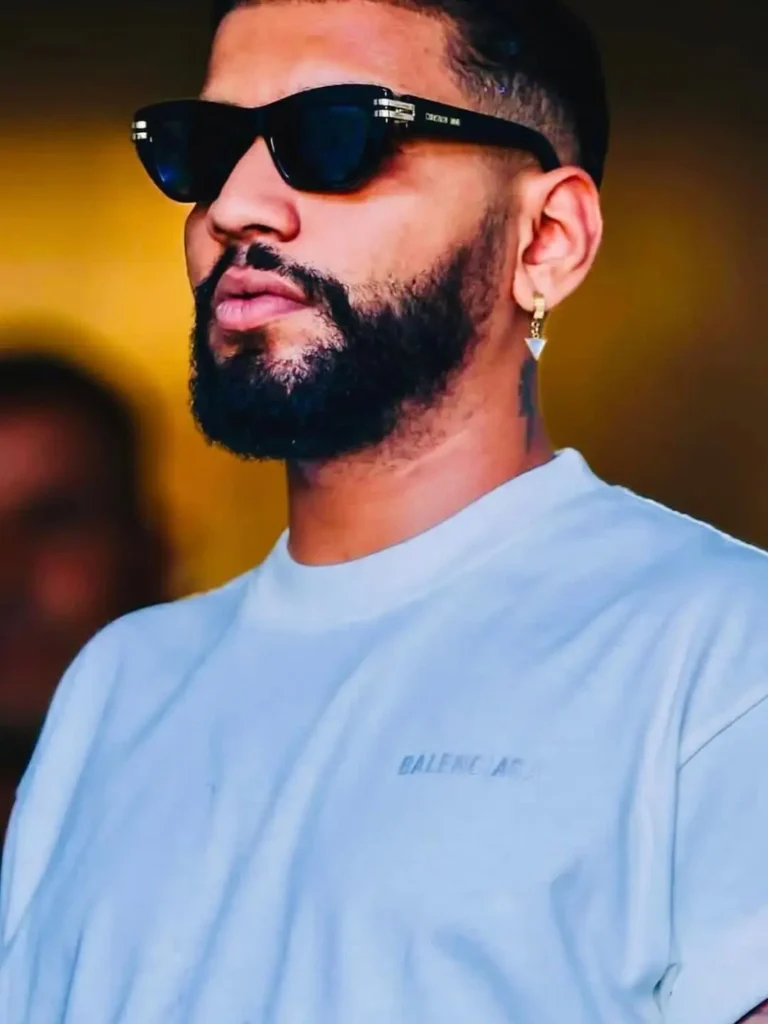
Semah Riahi sits at the top of any serious list of the richest musicians in Tunisia, with Popnable’s 2023 data pegging music-related earnings at nearly $1.4 million. The hip-hop artist’s trap-infused tracks rack up tens of millions of streams on platforms that pay better than local radio ever did.
In my conversations with managers in La Marsa, the key has been relentless output, smart features with European acts, and merch drops that turn online buzz into cash.
Samara’s story shows the new model: build a global digital fanbase while keeping lyrics rooted in Tunisian youth struggles. Early mistakes, like unsigned collabs that leaked revenue, taught a generation to lock in publishing rights fast.
2. Balti

Balti, the veteran rapper who helped birth Tunisian hip-hop in the early 2000s, ranks second among the wealthiest artists in the Tunisian music scene. His catalog still generates steady income from platforms and sync deals, while live shows across Europe’s Tunisian communities fill gaps left by modest local ticket sales.
I remember standing backstage at a 2015 festival in Carthage as he described turning down quick-money deals that would have diluted his brand.
That discipline paid off. Balti invested early concert fees into a small label and real estate around Tunis, moves that shielded him when the revolution disrupted the old patronage system. For Tunisian rappers, net worth calculations often undervalue these quiet assets.
3. Saber Rebaï
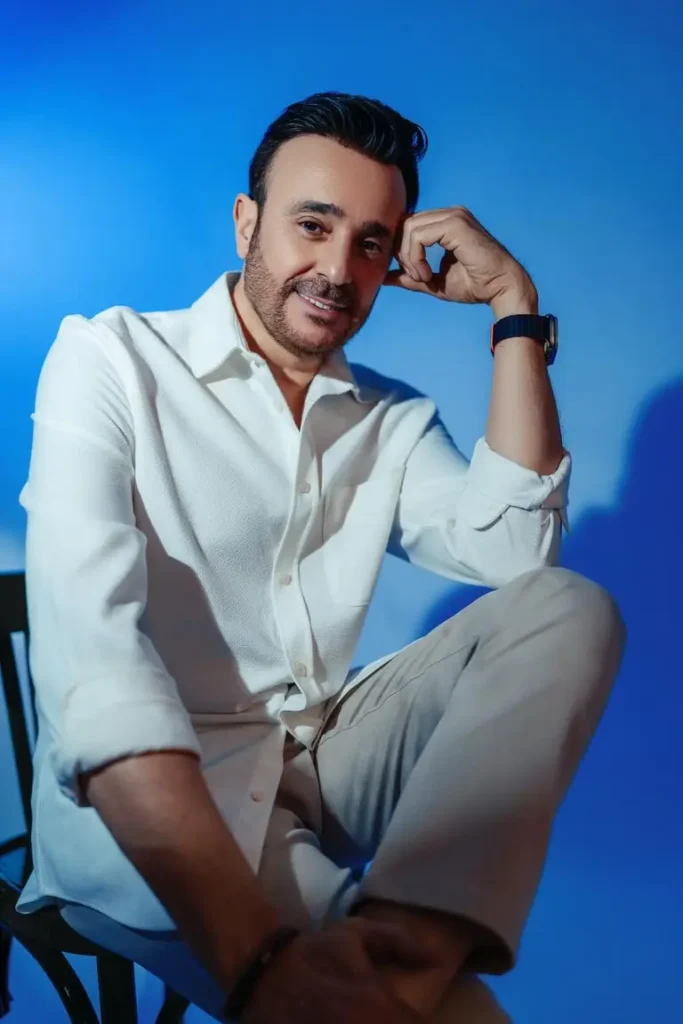
Saber Rebaï’s voice has carried Tunisian melody across the Arab world for decades, from the anthem-like “Sidi Mansour” to countless private performances that command premium fees in the Gulf.
YouTube earnings estimates hover below those of his rap peers, yet anyone who has watched him headline weddings in Jeddah or Doha understands why he ranks high on lists of the richest musicians in Tunisia.
Longevity matters here. Rebaï diversified into acting and composition, lessons I saw many younger artists ignore until a hit dried up. His approach, steady catalog management plus selective high-paying gigs, offers a blueprint for sustaining wealth beyond viral moments.
4. Latifa
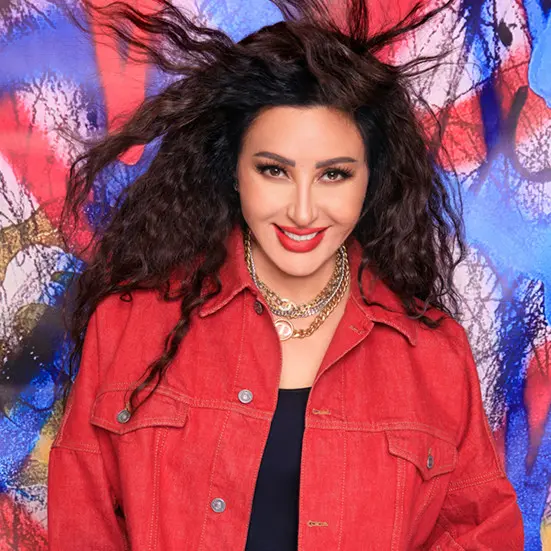
Latifa built one of the most impressive business stories among the wealthiest Tunisian singers. The pop powerhouse bought shares in her production company at the height of her 2000s success, a move that turned album sales and tours into ownership equity.
Residing partly in Egypt and the UAE, she tapped the broader Arab market where a single hit can fund years of comfort. In interviews over the years, she spoke candidly about early industry traps, contracts that favored labels over artists. Her example reminds every rising star that the highest-paid Tunisian artists treat music as both art and enterprise.
5. A.L.A
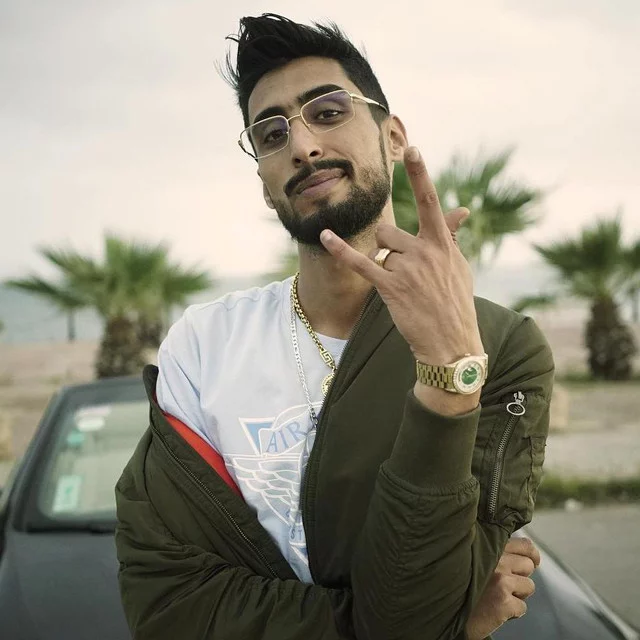
A.L.A. brings street authenticity, translating into strong streaming numbers and loyal crowds at home and abroad. His position among Tunisia’s top earners comes from consistent releases and collaborations that keep him relevant in a fast-moving rap game.
Having covered his early underground shows, I watched him evolve from raw cyphers to calculated brand plays, including apparel lines that supplement music income. The lesson for aspiring Tunisian rappers’ net worth watchers is clear: authenticity sells, but only if paired with professional management.
6. Sanfara

Sanfara’s gritty narratives and high output earned him a spot on Popnable’s 2023 richest Tunisian singers tally, with estimates around $600,000 in music revenue at that time. His fanbase rewards the unfiltered take on life in Tunisia’s margins, turning streams and downloads into real money.
One practical insight I gained from watching similar careers: artists who release frequently but fail to register songs properly lose thousands in mechanical royalties once tracks blow up. Sanfara’s team appears to have learned that early.
7. JenJoon
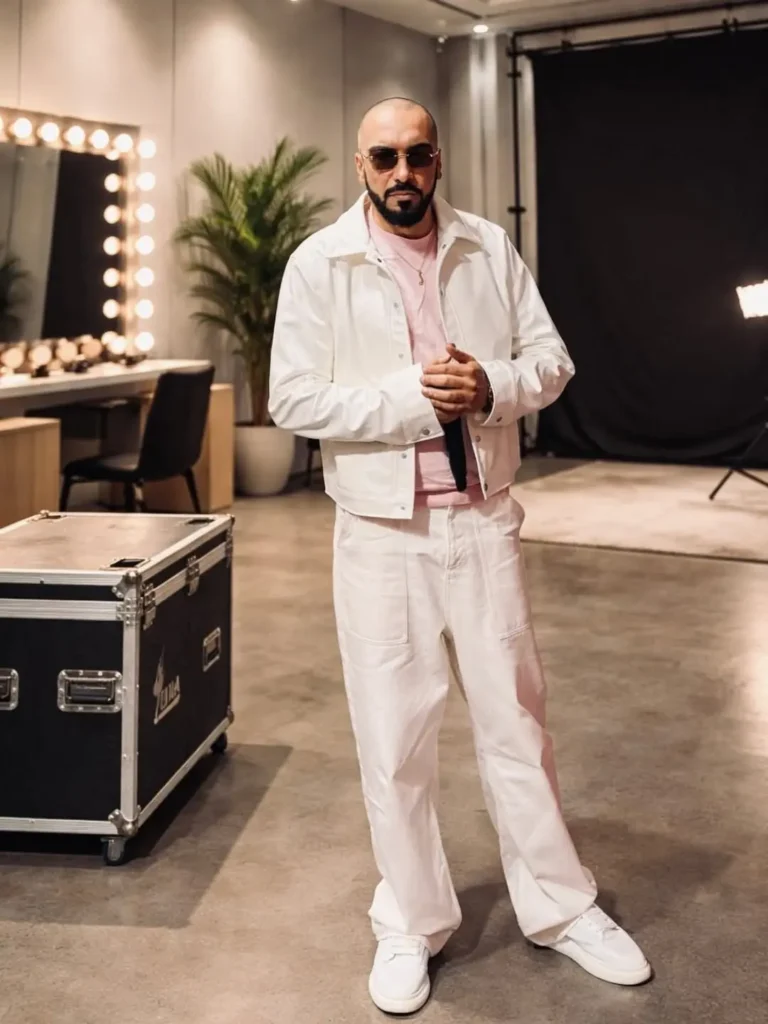
JenJoon’s melodic rap style has carved a niche that appeals beyond core hip-hop fans, boosting live bookings and digital plays. Earnings estimates place him solidly in the upper tier of current Tunisian acts.
In my experience attending club nights in Hammamet, these crossover artists often earn more quietly through private events than they do at headline festivals. JenJoon’s path shows how blending genres expands the wallet while honoring local tastes.
8. Nordo
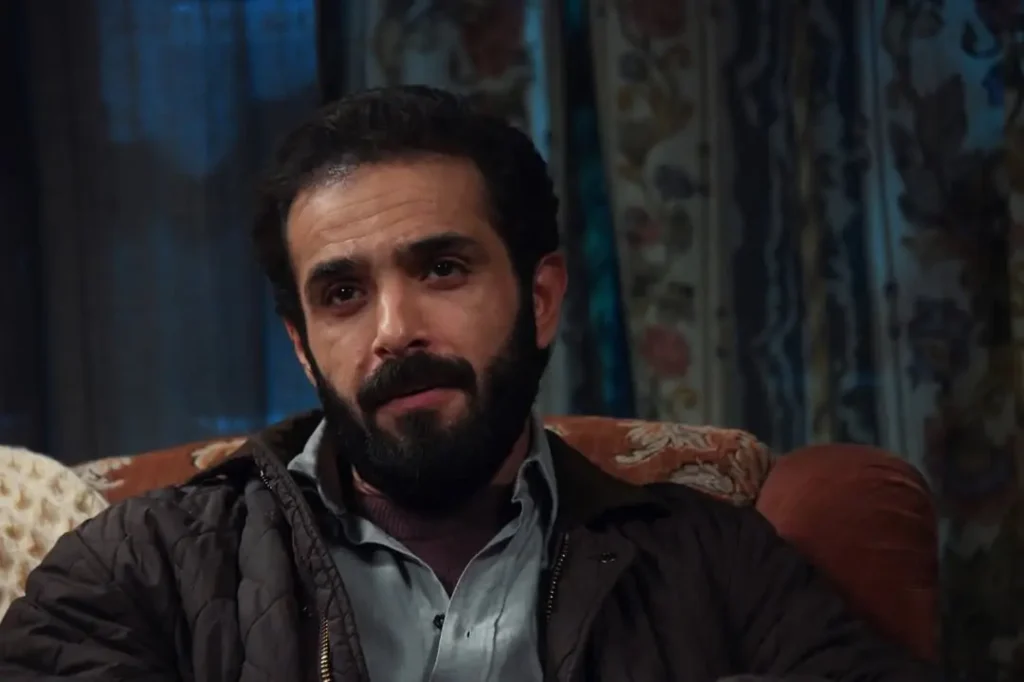
Nordo combines catchy hooks with street credibility, a formula that drives strong collaboration requests and festival slots. His growing catalog contributes to a steady income in a market where a single standout feature can pay better than a full local album.
The nuance here, one I have seen trip up others, is balancing quick cash from features with long-term ownership of masters. Nordo’s circle seems focused on the latter.
9. Klay BBJ
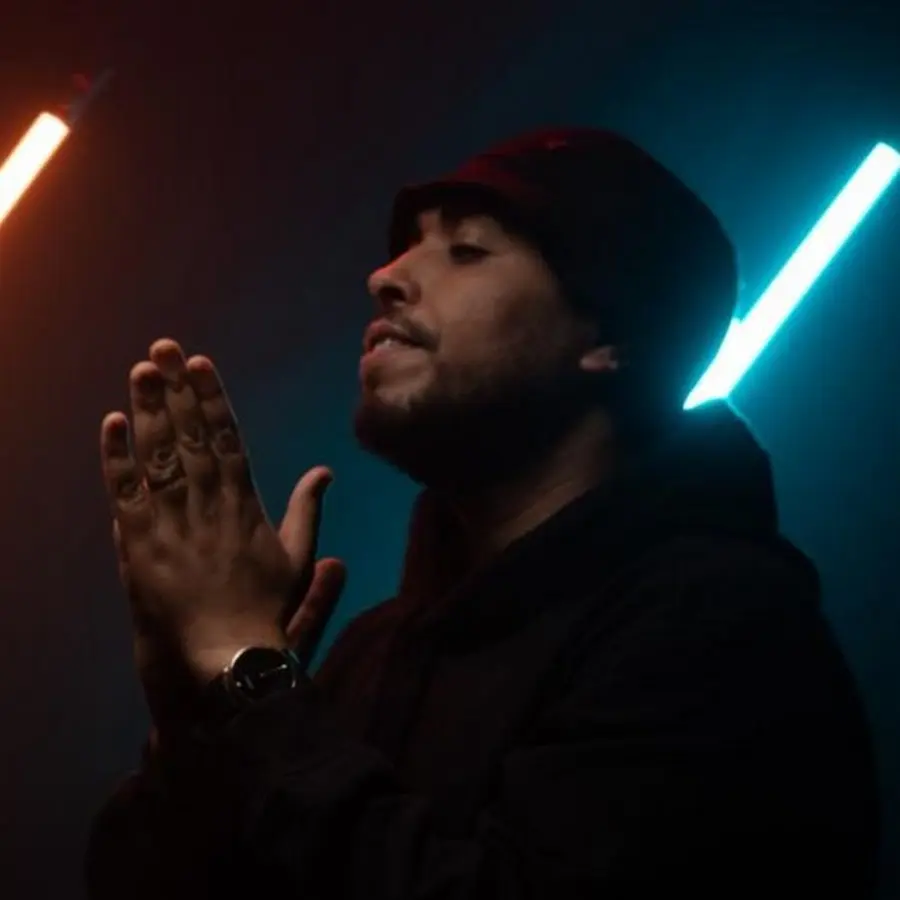
Klay BBJ’s energetic delivery and social media presence keep him relevant among younger listeners, feeding both streams and endorsement deals. While not always topping pure earnings lists, consistent visibility in Tunisia’s rap ecosystem adds up.
Over a decade of reporting, I have noticed that artists who stay visible during lean periods, through social content or small tours, protect their net worth better than those who chase only big moments.
10. Emel Mathlouthi
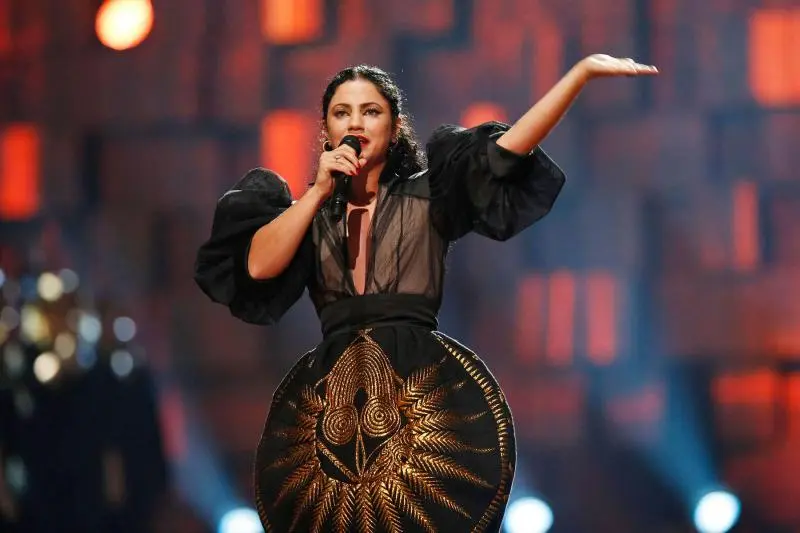
Emel Mathlouthi closes the list with international acclaim that began when her revolutionary anthem reached global stages. Touring revenue from Europe and North America, plus sync placements in films and documentaries, builds wealth differently from domestic rap stars.
Her story carries a human lesson I have shared with many young musicians: global breakthrough can arrive suddenly, but sustaining it requires careful navigation of cultural expectations and business deals. Emel’s independent path proves that artistic integrity and smart management can coexist profitably.
The richest musicians in Tunisia today operate in a landscape where digital tools have democratized access, but economic pressures still favor the prepared. In my years on the ground, the biggest mistake I have witnessed is treating music as a lottery ticket rather than a business.
Artists who registered copyrights, built teams, and invested in property or small companies weathered downturns that sank others. Tunisia’s music industry holds real growth potential through global streaming and renewed interest in its hybrid sounds, yet success demands the same resilience that defined the country’s recent history.
For those dreaming of joining these ranks, the practical path remains clear: create relentlessly, protect your work, and never rely on a single market. The wealthiest Tunisian singers did not just ride waves of popularity. They built sturdy rafts that would last.