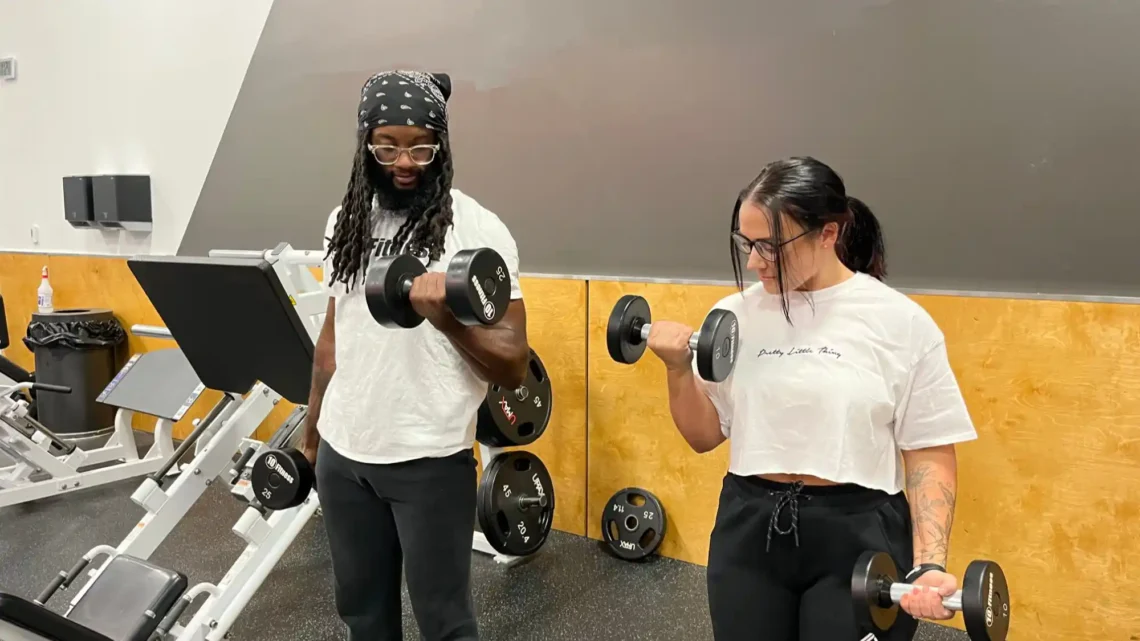
The Art of the “Strength Training” for Beginners: Myths, Form, and a Simple Plan
I’ve been in the trenches of strength training for over 15 years now—coaching everyone from desk-bound newbies who could barely do a bodyweight squat to folks who’ve gone on to compete in powerlifting meets.
I’ve watched people transform their bodies and confidence, but I’ve also seen the same pitfalls trip up almost every beginner. The biggest one? Believing the myths that keep people on the couch instead of under a barbell.
Trending Now!!:
Let’s cut through the noise. If you’re just starting out with strength training for beginners, this is for you. No fluff, no bro-science—just what actually works based on real sessions, sore clients, and the progress I’ve witnessed firsthand.
Busting the Biggest Myths Holding You Back
The myth I hear most often, especially from women, is “Lifting weights will make me bulky.” I’ve had clients say it with genuine fear in their eyes. Here’s the truth from a decade-plus of watching bodies change: getting “bulky” requires years of heavy, dedicated lifting, a massive calorie surplus, and often genetics or gear that most people never touch.
For the average beginner, doing strength training workouts a few times a week is a good idea. You’ll build muscle, yes—but it shows up as tighter arms, stronger legs, and that lean, toned look everyone chases. One client of mine, a 38-year-old mom, was terrified of the weights.
Six months in, she dropped two dress sizes without losing much scale weight. Her comment? “I look stronger, not bigger.”
Another classic: “Strength training is dangerous for your joints” or “only for young, athletic people.” I’ve trained folks in their 60s who started with light dumbbells and ended up deadlifting their bodyweight pain-free. Done right—with proper form in strength training—it actually strengthens joints, tendons, and bones.
The danger comes from ego lifting too soon or skipping basics. I’ve seen beginners blow out their backs by jumping into heavy squats without learning to brace their core. Start smart, and it’s one of the safest things you can do.
Then there’s “Cardio is better for fat loss.” Cardio burns calories in the moment, sure, but strength training for beginners builds muscle that revs your metabolism 24/7. I’ve had clients who added lifting while keeping their walks the same and suddenly started dropping fat they couldn’t shake with endless treadmill sessions. Muscle is the ultimate fat-burner.
And no, you don’t need to train every day or live in the gym. Overtraining is a rookie trap—I pushed too hard early in my own journey and ended up with nagging shoulder issues that set me back months. Consistency beats intensity every time.
Form: Where Most Beginners Go Wrong (and How to Fix It)
Form isn’t about looking pretty—it’s about staying injury-free and actually building strength. I’ve corrected thousands of reps, and the same mistakes pop up over and over.
Take the squat—one of the best beginner strength training exercises. People often let their knees cave in or round their lower back because they’re trying to go too deep too fast. I tell clients: imagine sitting back into a chair that’s a bit too far behind you.
Keep your chest up, drive through your heels, and brace like someone’s about to punch you in the gut. Start with bodyweight or goblet squats, holding a light dumbbell.
One guy I trained kept dumping forward—turned out his ankles were tight from years of desk work. We added calf stretches and ankle mobility drills, and boom—proper depth without pain.
For push-ups (or bench press), the big sin is sagging hips or flaring elbows. Think of creating a straight plank from heels to head. Lower slowly—control the descent.
I once had a client who banged out 20 sloppy push-ups a day but made no progress. We switched to knee push-ups with perfect form and built up to them. Three months later, full ones felt easy.
Deadlifts scare people, but they’re gold for overall strength. The mistake? Rounding the back to “lift with the arms.”
Hinge at the hips, keep the bar close to your shins, and pull the slack out before driving up. Start with Romanian deadlifts using light weight to groove the pattern.
Breathe: exhale on the effort (standing up in a squat, pressing up). Holding your breath turns you into a balloon ready to pop. And always warm up—five minutes of brisk walking plus light sets. Cold muscles + heavy loads = trouble. I’ve learned that the hard way.
A Simple, Effective Beginner Plan That Actually Works
Forget complicated 6-day splits. Beginners thrive on simplicity and progression. I use variations of this with almost every new client: full-body workouts 3x per week (Monday, Wednesday, Friday—or whatever days fit). Rest days let you recover and grow.
Warm-up (5-10 minutes): Light cardio (jumping jacks, marching in place) + dynamic stretches (arm circles, leg swings).
The Workout (3 sets of 8-12 reps per exercise unless noted):
- Goblet Squat (hold a dumbbell or kettlebell at chest) – Builds legs and core without barbell intimidation.
- Push-ups (on knees if needed, progress to full) – Chest, shoulders, triceps.
- Dumbbell Rows (one arm at a time, braced on bench or knee) – Back strength to balance pushing.
- Romanian Deadlift (dumbbells or bar) – Hamstrings, glutes, posterior chain.
- Overhead Press (dumbbells seated or standing) – Shoulders and upper body power.
- Plank (hold 20-60 seconds) – Core stability for everything else.
Rest 60-90 seconds between sets. Start with weights where the last 2-3 reps feel tough, but form stays solid. Track everything—notebook or app. Every 1-2 weeks, add 5-10 lbs or a rep when it feels manageable.
Do this for 8-12 weeks. Eat enough protein (aim for 0.7-1g per pound of bodyweight), sleep, and walk on off days if you want. Progress will come fast—those “newbie gains” are real.
I’ve seen this plan turn sedentary people into lifters who deadlift double bodyweight. One woman in her 50s started by barely squatting an empty bar; a year later, she was confidently repping 135 lbs.
Strength training isn’t about perfection from day one. It’s about showing up, learning your body, and stacking small wins. Ditch the myths, nail the form basics, follow a simple plan, and you’ll wonder why you waited so long.
You’ve got this. Now go pick up something heavy—the real results are waiting.