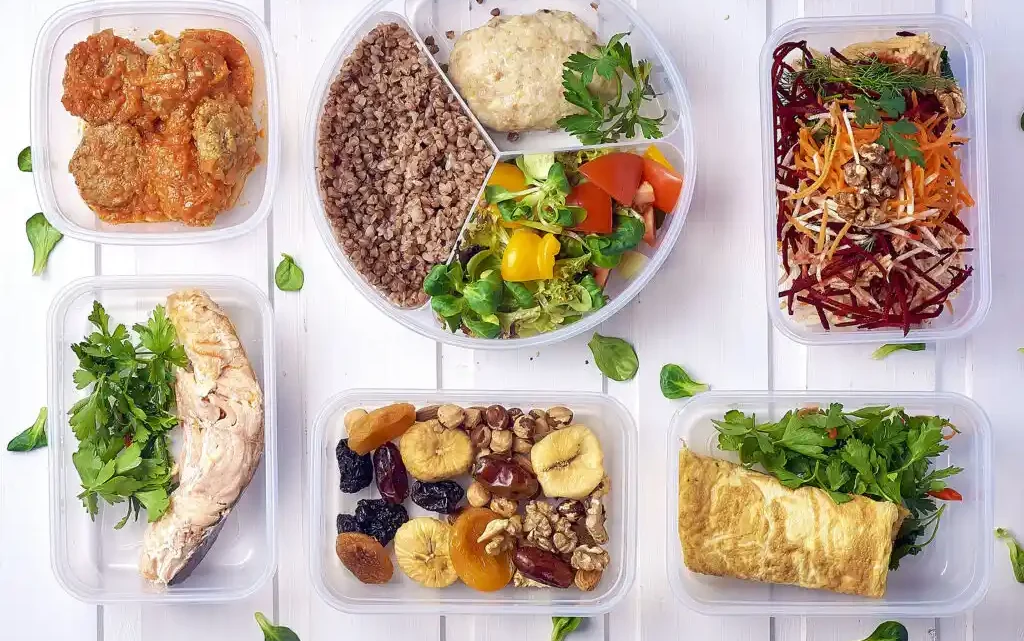
The Definitive Guide to Meal Prepping for Weight Loss Success
Meal prepping for weight loss is a game-changer for anyone looking to shed pounds, stay consistent, and simplify their nutrition.
By planning and preparing meals in advance, you can take control of your diet, save time, and avoid the temptation of unhealthy food choices.
Trending Now!!:
This comprehensive guide will walk you through the essentials of meal prepping, offering practical tips, strategies, and recipes to help you achieve your weight loss goals while keeping your meals delicious and sustainable.
Why Meal Prepping is Key to Weight Loss
Meal prepping is the practice of preparing meals or ingredients ahead of time, typically for a week, to ensure you have healthy, portion-controlled options ready to go.
For weight loss, this approach is powerful because it helps you stick to a calorie deficit, prioritize nutrient-dense foods, and avoid impulsive eating. Studies show that individuals who plan their meals are more likely to maintain a healthy diet and achieve sustainable weight loss.
By incorporating meal prepping into your routine, you’re setting yourself up for long-term success.
Benefits of Meal Prepping for Weight Loss
- Consistency: Prepped meals ensure you stick to your healthy eating plan, even on busy days.
- Portion Control: Pre-measuring portions helps you avoid overeating and stay within your calorie goals.
- Time-Saving: Batch cooking reduces daily meal prep time, making it easier to stay on track.
- Cost-Effective: Buying ingredients in bulk and reducing food waste saves money.
- Reduced Stress: Knowing your meals are ready eliminates last-minute decisions that often lead to unhealthy choices.
Getting Started with Meal Prepping
To make meal prepping for weight loss effective, you need a clear plan. Here’s how to begin:
1. Set Your Weight Loss Goals
Before diving into meal prepping, define your goals. Are you aiming to lose a specific amount of weight, improve your energy levels, or build muscle while losing fat?
Understanding your objectives will guide your meal planning. For weight loss, focus on creating a calorie deficit—burning more calories than you consume—while ensuring your meals are balanced with lean proteins, healthy fats, and complex carbohydrates.
2. Plan Your Meals
Effective meal planning is the backbone of successful meal prepping. Start by calculating your daily calorie needs using an online calculator or consulting a nutritionist.
Then, design a weekly meal plan that aligns with your calorie goals and includes a variety of nutrient-dense foods.
- Choose Balanced Meals: Aim for meals that include:
- Lean Proteins: Chicken breast, turkey, fish, tofu, eggs, or legumes for muscle maintenance and satiety.
- Complex Carbohydrates: Quinoa, brown rice, sweet potatoes, or whole-grain pasta for sustained energy.
- Healthy Fats: Avocado, olive oil, nuts, or seeds for heart health and flavor.
- Vegetables: Broccoli, spinach, zucchini, or bell peppers for fiber and micronutrients.
- Incorporate Variety: Rotate ingredients and flavors to prevent boredom and ensure a range of nutrients.
- Plan for Snacks: Include healthy snacks like Greek yogurt, fruit, or veggie sticks with hummus to curb cravings.
3. Create a Grocery List
Once your meal plan is set, make a detailed grocery list to streamline your shopping. Stick to whole, unprocessed foods as much as possible, as these are typically lower in calories and higher in nutrients.
Shopping for ingredients in bulk can also help you save money and reduce food waste.
4. Invest in Quality Containers
Good meal prep containers are essential for keeping your food fresh and portable. Opt for BPA-free, microwave-safe containers with compartments to separate ingredients. Glass containers are durable and eco-friendly, while stackable designs save fridge space.
Meal Prepping Strategies for Weight Loss Success
To maximize your weight loss results, follow these proven meal prepping strategies:
1. Batch Cook for Efficiency
Batch cooking involves preparing large quantities of food at once, which you can portion out for the week.
For example, grill several chicken breasts, roast a tray of vegetables, and cook a big batch of quinoa. Mix and match these components to create varied meals, keeping your taste buds happy.
2. Control Portions with Precision
Portion control is critical for weight loss. Use a food scale or measuring cups to ensure your meals align with your calorie goals.
For example, a typical weight loss meal might include 4-6 ounces of lean protein, ½ cup of complex carbs, and 1-2 cups of vegetables. Pre-portioning your meals into containers eliminates guesswork and helps you stay on track.
3. Prioritize Low-Calorie, High-Volume Foods
High-volume, low-calorie foods like leafy greens, zucchini, cauliflower, and berries allow you to eat larger portions without exceeding your calorie limit.
These foods are rich in fiber, which promotes fullness and supports digestive health. For example, swap traditional pasta for zucchini noodles or cauliflower rice to cut calories while keeping meals satisfying.
4. Prep Freezer-Friendly Meals
For weeks when time is tight, freezer-friendly meals are a lifesaver. Prepare dishes like chili, soups, or casseroles that freeze well and can be reheated quickly. Label containers with the date and contents to keep your freezer organized.
5. Keep Flavors Fresh and Exciting
Bland meals can derail your motivation, so experiment with herbs, spices, and low-calorie sauces to enhance flavor. For example, use garlic, cumin, or paprika for savory dishes, or try citrus zest and fresh herbs for a lighter touch.
Healthy condiments like salsa, mustard, or Greek yogurt-based dressings can add variety without excess calories.
Sample Meal Prep Plan for Weight Loss
Here’s a simple, beginner-friendly meal prep plan for one week, designed to support weight loss while keeping meals delicious and balanced.
This plan assumes a daily calorie goal of approximately 1,500-1,800 calories, but you can adjust portions to fit your needs.
Monday–Friday Meal Plan
- Breakfast: Overnight oats with ½ cup rolled oats, 1 cup unsweetened almond milk, ½ cup berries, and 1 tbsp chia seeds (300 calories).
- Lunch: Grilled chicken salad with 4 oz chicken breast, 2 cups mixed greens, ½ cup cherry tomatoes, ¼ avocado, and balsamic vinaigrette (400 calories).
- Dinner: Baked salmon (4 oz) with 1 cup roasted Brussels sprouts and ½ cup quinoa (450 calories).
- Snacks: 1 medium apple with 1 tbsp almond butter (200 calories); 1 cup baby carrots with 2 tbsp hummus (100 calories).
Weekend Meal Prep Tasks
- Sunday Prep (2-3 hours):
- Grill 2 lbs of chicken breast and 1 lb of salmon.
- Roast 2 trays of mixed vegetables (Brussels sprouts, broccoli, zucchini).
- Cook 2 cups of quinoa and 1 cup of brown rice.
- Prepare overnight oats for the week in mason jars.
- Portion snacks into small containers or bags.
Tips for Success
- Store meals in the fridge for up to 4 days; freeze the rest for later in the week.
- Reheat meals in the microwave or oven, adding fresh herbs or a splash of lemon juice to revive flavors.
- Adjust portion sizes based on your activity level and weight loss progress.
Common Meal Prepping Mistakes to Avoid
While meal prepping is straightforward, beginners often make mistakes that can hinder their weight loss efforts. Here’s how to avoid them:
- Overcomplicating Recipes: Stick to simple, versatile recipes to save time and reduce stress.
- Ignoring Food Safety: Cool food completely before storing it, and refrigerate meals within two hours of cooking to prevent spoilage.
- Prepping Too Much: Start with 3-4 days’ worth of meals to ensure freshness and avoid waste.
- Skimping on Variety: Eating the same meal daily can lead to burnout. Rotate proteins, carbs, and veggies weekly.
- Neglecting Macronutrients: Ensure your meals are balanced to avoid nutrient deficiencies and cravings.
Meal Prepping Tools and Resources
To make meal prepping easier, consider these tools:
- Kitchen Scale: For precise portioning.
- Slow Cooker or Instant Pot: For hands-off batch cooking.
- Meal Planning Apps: Apps like MyFitnessPal or Mealime can help you plan and track calories.
- Recipe Blogs: Websites like Skinnytaste or Budget Bytes offer healthy, weight-loss-friendly recipes.
Staying Motivated with Meal Prepping
Meal prepping for weight loss is a marathon, not a sprint. To stay motivated:
- Track Your Progress: Monitor your weight, energy levels, and how your clothes fit to celebrate small wins.
- Experiment with New Recipes: Try one new recipe each week to keep things exciting.
- Involve Friends or Family: Meal prep with a partner to make it fun and accountable.
- Reward Yourself: Treat yourself to non-food rewards, like a new workout outfit, for sticking to your plan.
Conclusion
Meal prepping for weight loss is a proven strategy to stay consistent, save time, and reach your health goals.
By planning balanced meals, controlling portions, and prioritizing nutrient-dense foods, you can create a sustainable routine that supports long-term weight loss success.
Start small, experiment with flavors, and use the tips in this guide to build a meal prep system that works for you.
With dedication and a little prep work, you’ll be well on your way to a healthier, happier you.