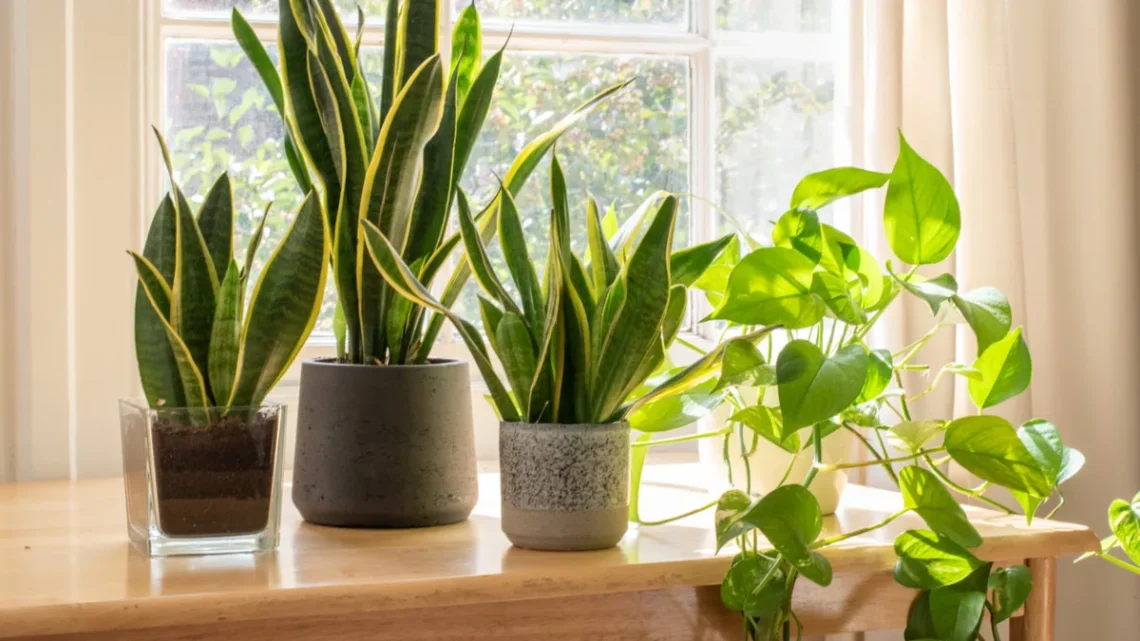
The Lazy Gardener’s Guide: 10 Plants That Are Impossible to Kill
Most people don't have a brown thumb. They just keep choosing the wrong plants. Here are ten that will outlast your excuses, your forgetting, and your very best attempts at neglect.
There is a particular kind of guilt that only a plant owner understands. It creeps in slowly, usually around week three, when you notice the leaves going yellow and you realize you cannot remember the last time you watered it. I have been there.
Twelve years of growing things, and I still remember the spider fern I killed in a north-facing apartment before I understood that good intentions are not the same as good plant care. That fern was not a lesson in failure. It was a lesson in choosing the wrong thing.
Trending Now!!:
Here is something the gardening industry does not always say loudly enough: most people who think they have a brown thumb do not have a plant problem. They have a plant selection problem. The wrong plant in the wrong hands will die regardless of effort. But the right plant, a genuinely low-maintenance houseplant built by nature to survive drought, dim light, and a distracted owner, will thrive on little more than occasional acknowledgment.
The ten plants below are not just forgiving; they are also versatile. They are structurally and biologically designed to endure conditions that would end other plants. I have grown every single one of them. I have overwatered most of them, forgotten a few, moved some into light that was too harsh, and all of them came back. That is not luck. That is the right plant.
Before We Get to the List: Why Most Plants Die
Overwatering kills more houseplants than anything else. Not underwatering, not low light, not poor soil. Water.
I watched a neighbor drown four pothos in a single summer by watering on a calendar schedule rather than checking the soil. Roots sitting in soggy soil are starved of oxygen, and root rot takes hold fast. The leaves look sad and droopy, the owner adds more water, thinking the plant is thirsty, and the plant gives up.
The rule I give every beginner is simple: water when the soil tells you to, not when the calendar does. Push your finger an inch or two into the soil. If it feels dry, water deeply. If it still feels damp, walk away. Every plant on this list will forgive you for forgetting to water it. Very few will forgive you for too many.
With that foundational truth in hand, here are the ten best plants for beginners, the lazy, the busy, and everyone who has failed before and is ready to try again.
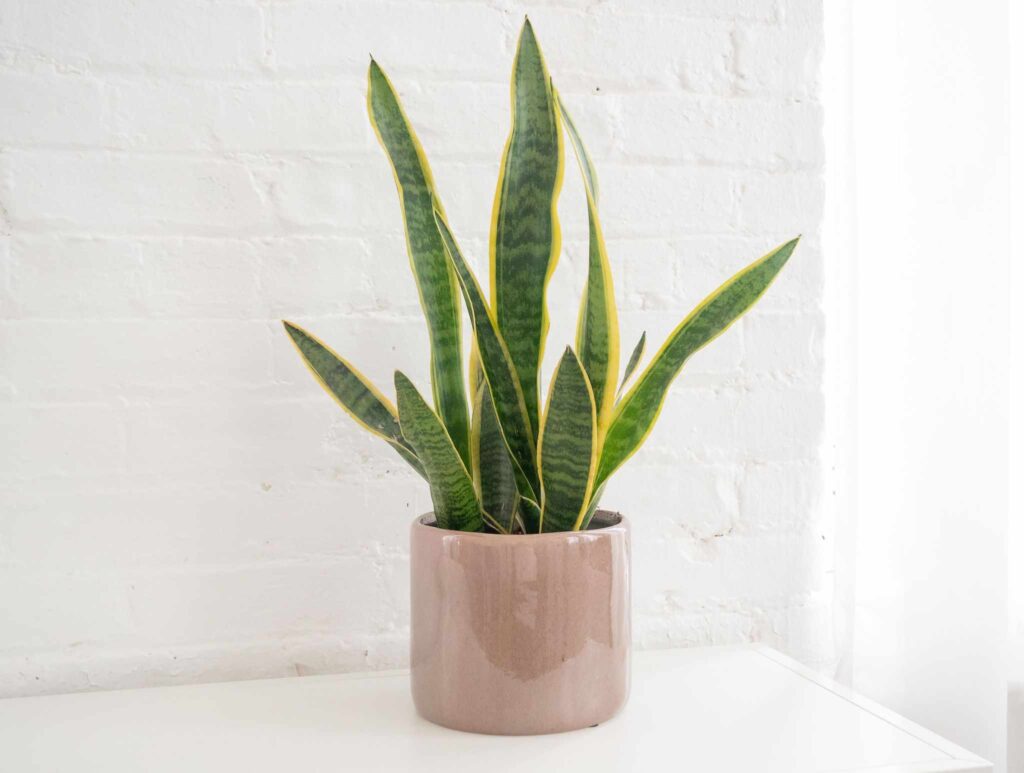
1. Snake Plant (Sansevieria / Dracaena trifasciata)
The Unkillable Classic
If every beginner was handed a snake plant instead of a potted orchid, the world would have far fewer plant-related traumas. The snake plant, sometimes called mother-in-law’s tongue for the sharp point of its sword-like leaves, is the definition of a drought-tolerant indoor plant. It stores water directly in its thick, upright leaves, which means missing a watering by two or three weeks is not negligence. It is just Tuesday.
I kept one in a windowless office corridor for two years under nothing but fluorescent lighting. It not only survived, but it also grew two new leaves. Snake plants handle low light, bright indirect light, dry indoor air, and the temperature swings that occur in poorly insulated apartments. The one thing they genuinely cannot tolerate is consistently wet soil, so let the soil dry out completely between waterings. In winter, once every four to six weeks is entirely sufficient.
As an air-purifying plant, the snake plant earns its keep twice. NASA research has shown it removes toxins, including formaldehyde and benzene, from indoor air. Unlike most plants, it releases oxygen at night. This makes it an especially good choice for bedrooms. If you are going to start your indoor garden with one plant, let it be this one.
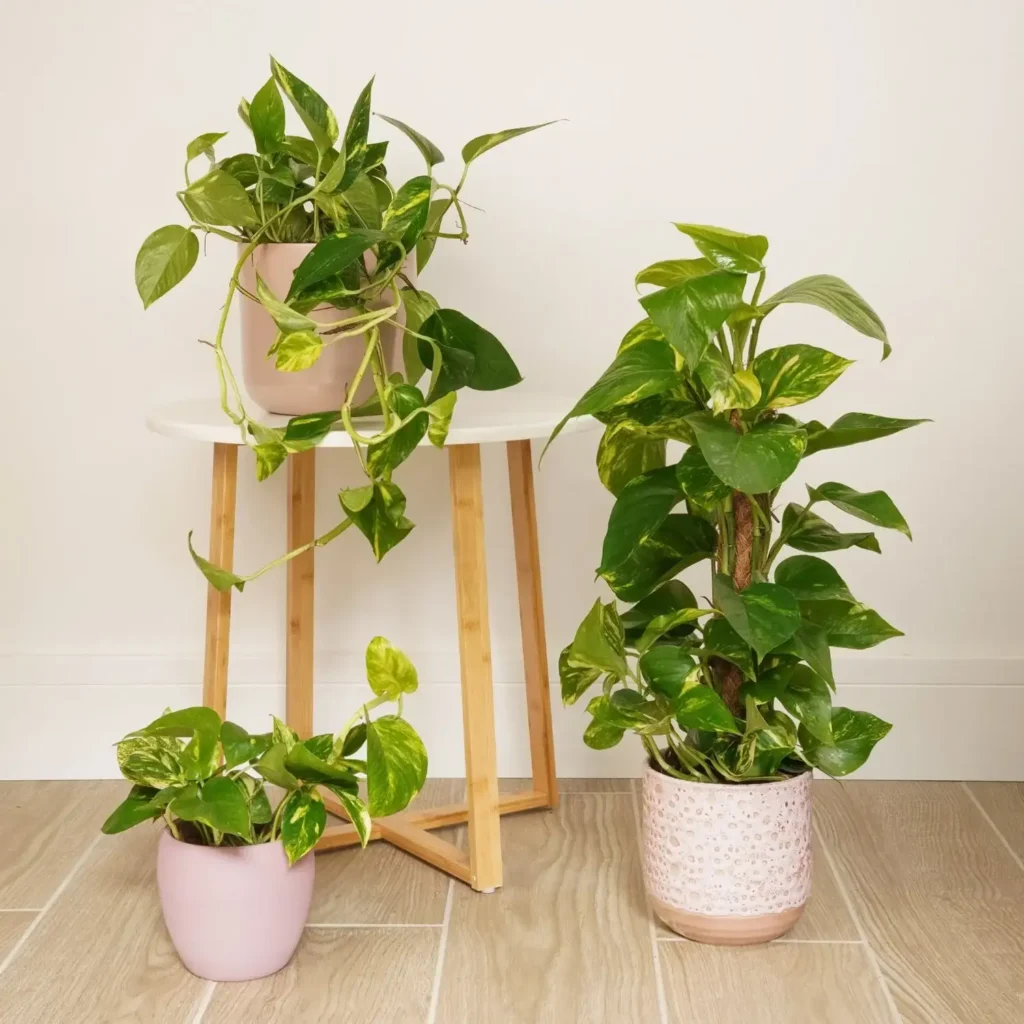
2. Pothos (Epipremnum aureum)
Devil’s Ivy for Good Reason
The nickname devil’s ivy comes from the fact that this plant refuses to die even when kept in the dark. That is barely an exaggeration. Pothos, with its heart-shaped leaves in shades of gold, green, marble, and cream depending on the variety, is probably the most forgiving trailing plant in existence.
I have propagated pothos in a glass of water on a bathroom shelf, in a hanging basket in a dim hallway, and in a terracotta pot that I forgot to water for three weeks. All of them are still alive.
Pothos is resilient for easy indoor gardening due to its adaptability to light. In bright spots, it grows fast and full. In low light, it slows down but keeps going. Golden pothos and marble queen are especially popular because their variegation is striking enough to look intentional, even with minimal care. Water when the top inch of soil feels dry. Do not let it sit in standing water. That is genuinely the entire instruction manual.
A practical note for households with cats or dogs: pothos is toxic if ingested, so place it high on a shelf or in a hanging planter rather than on the floor. Everything else about it is wonderfully uncomplicated.
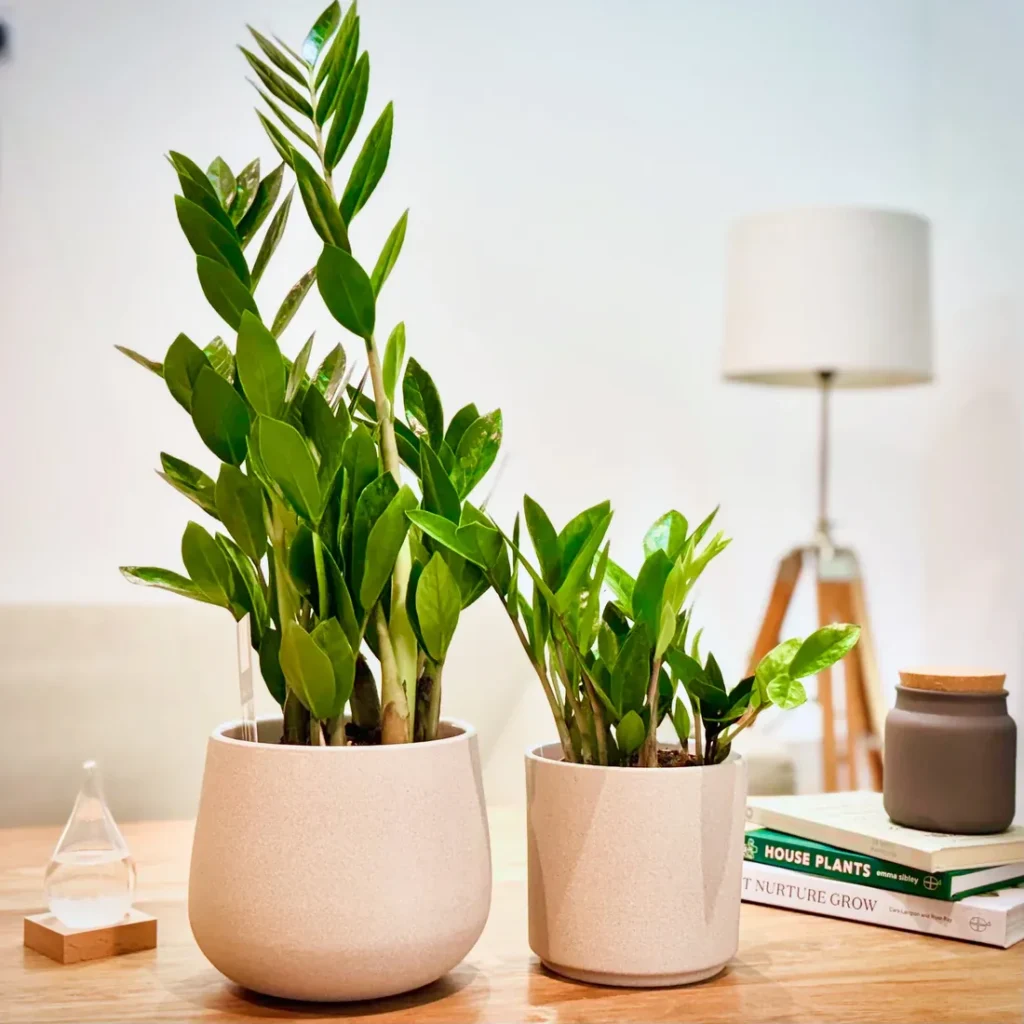
3. ZZ Plant (Zamioculcas zamiifolia)
Built for the Busiest People Alive
The ZZ plant is what happens when a houseplant decides to stop depending on humans. Its underground rhizomes, thick root-like structures that look something like ginger, store water so efficiently that this plant can go weeks without being watered and register absolutely no complaint.
A mature ZZ can reach three to five feet tall with glossy, dark green leaves that look polished even when they have not been touched in a month. The raven ZZ variety, nearly black in color, has become one of the most sought-after plants in modern interior design.
I tested a ZZ plant once by leaving it in a dim corner of a guest room during a long vacation, with no watering arrangement in place. Fourteen days later, it looked exactly as it had when I left. The ZZ plant is the right choice for anyone who travels often, works long hours, or simply wants a striking architectural plant without the anxiety of daily monitoring.
Water thoroughly when the top two inches of soil are dry, typically every two to three weeks in summer and less in winter, then leave it alone. It is not demanding. It is not dramatic. It is exactly the kind of easy-care plant a busy life calls for.
4. Peace Lily (Spathiphyllum)
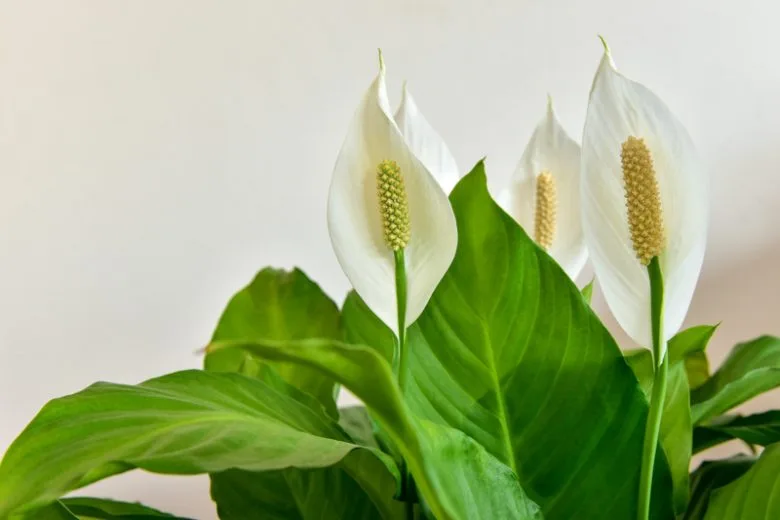
The Plant That Tells You What It Needs
Most plants suffer in silence. The peace lily is different. When it needs water, its leaves droop visibly and dramatically. You water it and wait a few hours. It stands back up. This obvious signal is a gift to anyone who struggles with plant care. You are not guessing. You are responding to a clear message.
Peace lilies are among the few flowering, low-maintenance houseplants that genuinely thrive in low light. Their white blooms, elegant and spare as a calligraphy stroke, appear in spring and sometimes again in autumn. They prefer indirect light but will still produce flowers even in rooms that never see direct sun, making them ideal for offices, bathrooms, and the darker corners of any home.
The biggest mistake with peace lilies is overwatering when the plant shows no sign of needing it. Let it droop slightly before you water. It sounds unkind, but the plant recovers from thirst better than from soggy roots. Like the snake plant, the peace lily purifies indoor air.
5. Spider Plant (Chlorophytum comosum)
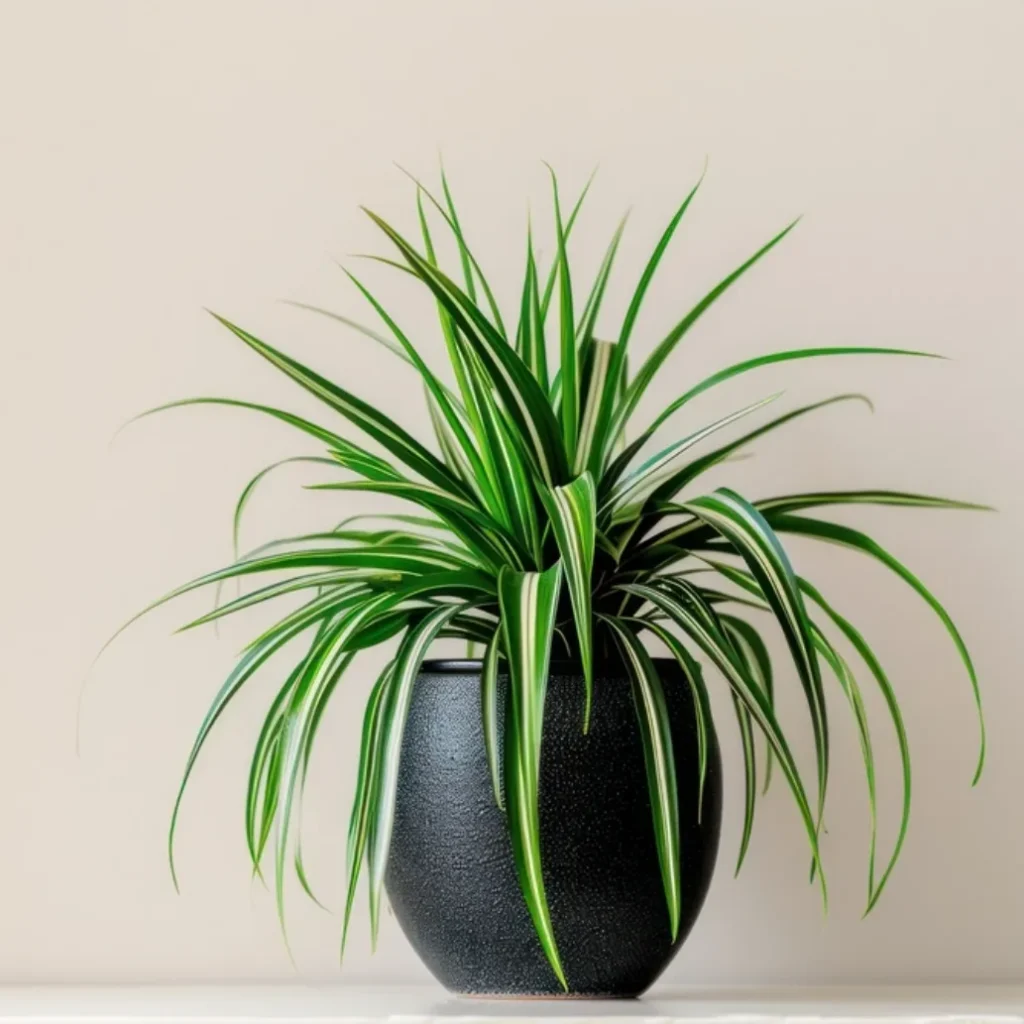
Generous, Hardy, and Nearly Self-Propagating
The spider plant keeps giving. From long, arching stems, it makes baby plants called spiderettes. These miniatures dangle until you root them in soil or water. A well-tended spider plant can fill an entire apartment. A neglected one will do nearly the same. This generosity is its character.
Spider plants prefer indirect light and slightly moist soil. Their tolerance range is wide. They bounce back from underwatering with little fuss. They tolerate dry indoor air better than most tropical plants. One practical caveat from years of growing them: their leaf tips can turn brown due to fluoride in tap water. If this bothers you aesthetically, switch to filtered water or let tap water sit overnight before using it. This eliminates the problem almost entirely.
For households with pets, spider plants are one of the few genuinely pet-safe options on this list, generally considered non-toxic to cats and dogs, which makes them a rare gift in the world of easy-care indoor plants.
6. Aloe Vera
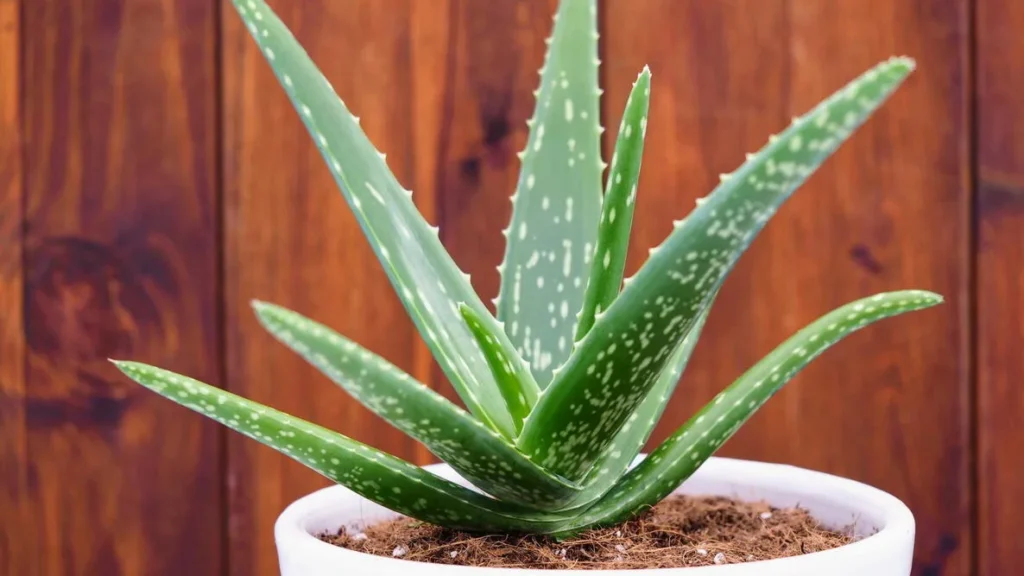
A First Aid Kit You Can Grow on Your Windowsill
Aloe vera always makes the list of impossible-to-kill plants. It is very resilient, but also useful. The clear gel inside its thick leaves soothes burns, cuts, and skin irritation. Households relied on this for years before commercial products became available. Growing one on a kitchen windowsill is both a gardening win and a smart household choice.
As a succulent for beginners, aloe vera is nearly perfect. It wants bright light, preferably from a south- or east-facing window, and it wants you to water it deeply, then leave it entirely alone until the soil is completely dry. In winter, it needs almost nothing. The most common way people kill aloe vera is by treating it like a tropical plant and keeping the soil damp, which leads to root rot within a matter of weeks. Treat it like what it is: a desert plant that has evolved to thrive on neglect.
Plant aloe in a terracotta pot with a cactus and succulent mix rather than standard potting soil. The terracotta breathes and dries faster, the gritty mix drains quickly, and your aloe will reward you by growing steadily for years without asking much in return.
7. Monstera Deliciosa
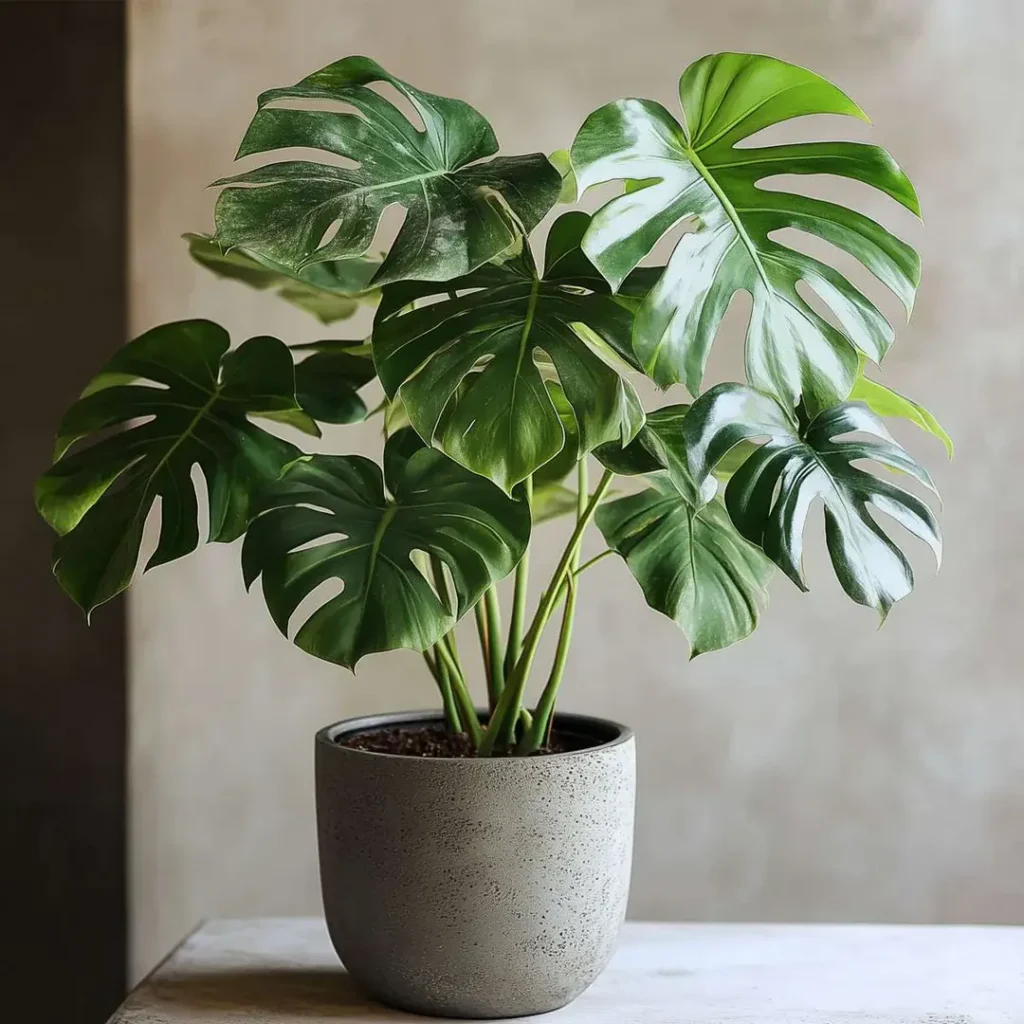
Statement Plant, Surprisingly Low-Maintenance
The monstera has become the defining plant of a generation of interior design, and for good reason. Those large, split leaves, botanically called fenestrations, give any room an immediate tropical energy that no other common houseplant can quite replicate. What the monstera’s popularity has obscured is just how uncomplicated it actually is to grow. It is not a fussy plant. It is a theatrical one that tolerates a wide range of conditions without complaint.
Monstera does best in bright indirect light, which means a spot near a window where the sun does not fall directly on the leaves. Direct afternoon sun will scorch those beautiful fenestrations within days. Water it when the top inch or two of soil feels dry, provide some humidity if you can, and give it room to grow because it will. A healthy, well-positioned monstera adds a leaf every few weeks in summer.
The one thing first-time monstera owners get wrong more than anything else is buying a small plant and expecting immediate drama. Monsteras reveal their split leaves only when they mature. Young leaves are heart-shaped and whole. Give it time, give it decent light, and the plant will become everything the photos promised.
8. Chinese Evergreen (Aglaonema)
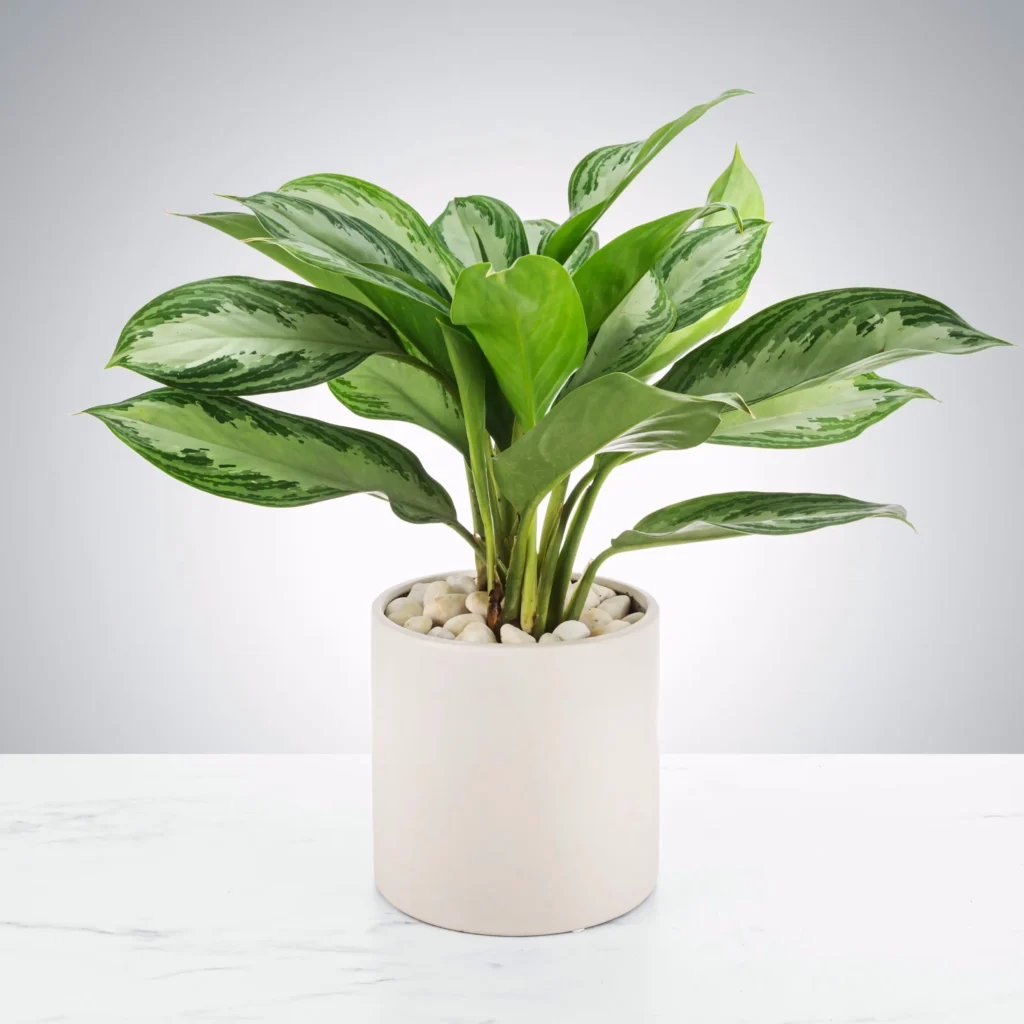
The Most Underrated Plant in the Room
If I had to pick one plant that consistently surprises new plant owners, it would be the Chinese evergreen. It does not have the social media presence of the monstera or the minimalist chic of the ZZ plant, but for sheer adaptability in a wide range of indoor conditions, nothing on this list beats it. Aglaonema comes in dozens of varieties, from deep green with silver markings to pink and red-splashed cultivars that look almost too colorful to be real.
Chinese evergreens thrive in low-light conditions that would stunt or kill most other decorative plants. The darker green varieties, in particular, are genuinely content in rooms that receive almost no natural light, making them one of the few legitimate low-light indoor plants that are also beautiful. They tolerate inconsistent watering, dry air, and the temperature variations of most modern homes without visible protest.
One genuine care note: the colorful pink and red varieties need more light to maintain their vibrant coloring. Place them closer to a window, and they will keep their blush. Put them in a dark corner, and they will stay alive but gradually revert toward green. Both outcomes are beautiful. Neither is a failure.
9. Cast Iron Plant (Aspidistra elatior)
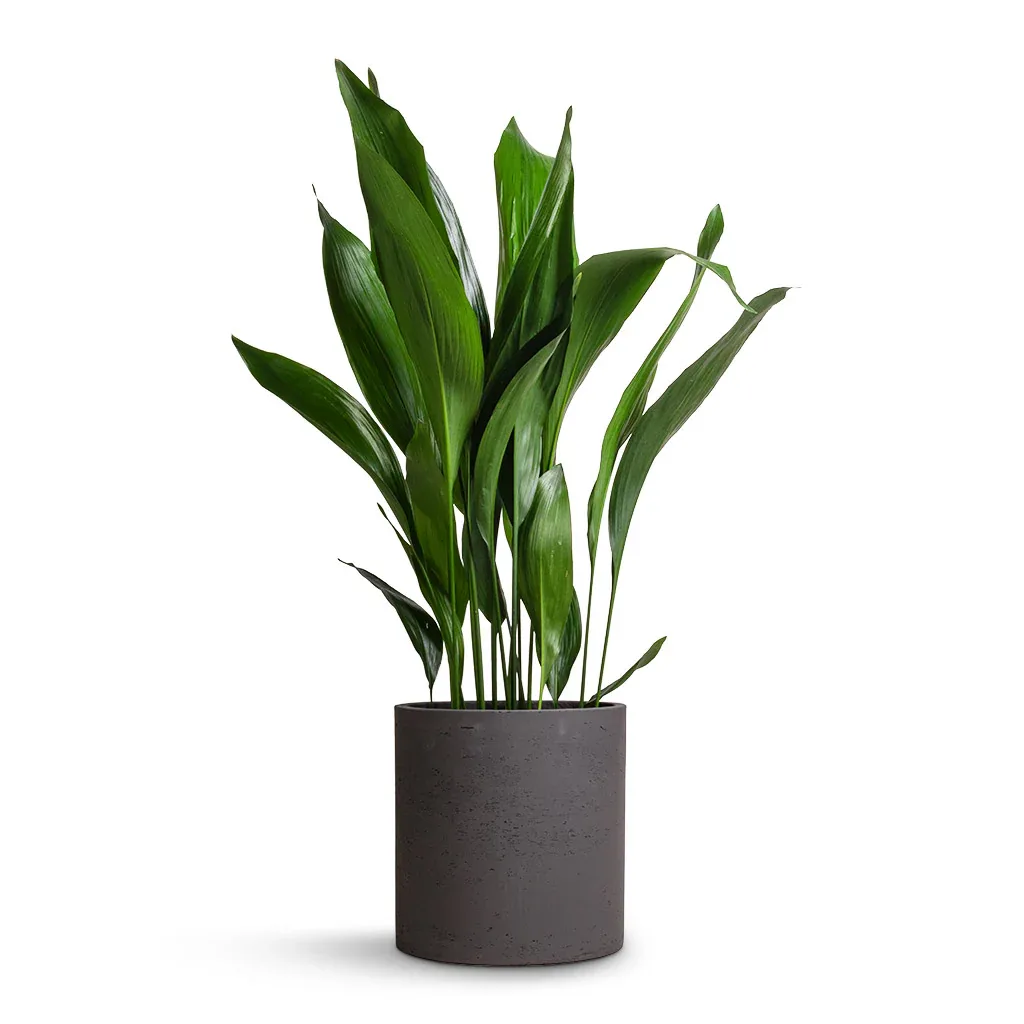
Named After the Toughest Material for a Reason
The cast iron plant is not glamorous. Its deep green, strap-like leaves are handsome in a quiet, dependable way, but they will never set social media alight. What the cast iron plant has, in abundance, is character forged in difficulty. It is named after the industrial alloy for a reason.
This plant tolerates poor soil, deep shade, drought, dust, irregular feeding, and temperature extremes that would destroy most houseplants before the month is out.
I have grown a cast iron plant in a dim hallway, receiving nothing but the weak light that spilled under a door, for three years. It grew slowly, as it always does, but it grew. That slow growth is part of its personality. This is not a plant for people who want rapid, visible change. It is a plant for people who want something green and alive in the spaces where nothing else will survive.
Water it occasionally, keep it out of direct sun, which will burn its leaves, and do not expect it to perform. It will simply be there, dependably alive, which in a difficult spot is worth considerably more than flash.
10. Jade Plant (Crassula ovata)

The Long Game, Played Well
Jade plants are one of those quiet marvels of the plant world. Given a sunny window and infrequent watering, they can live for decades, growing slowly into small, sculptural trees with thick woody stems and glossy oval leaves.
I know a jade plant that has been in the same family for over thirty years, passed from a grandmother to a daughter to a granddaughter. It has been overwatered, underwatered, repotted badly twice, and moved across cities three times. It is still thriving.
As succulents go, jade is one of the most beginner-friendly because its needs are minimal and its stress signals are easy to read. When the leaves begin to wrinkle slightly at the edges, it is thirsty. When the leaves look plump, and the soil is wet, stop watering immediately. Bright light is non-negotiable for good growth, so a south or west-facing window will keep it compact and vigorous. In low light, it stretches and loses its satisfying, bonsai-like density.
In many cultures, particularly across East Asia and parts of Africa, the jade plant is associated with good luck, prosperity, and lasting abundance. Whether or not you hold to that tradition, there is something genuinely reassuring about keeping a plant that outlives trends, survives mistakes, and grows quietly more beautiful with every passing year.
One Final Thing Every New Plant Owner Should Know
Every plant on this list has one thing in common: drainage. Not light, not fertilizer, not humidity, though all of those matter. Drainage. A pot without drainage holes will eventually drown even the most drought-tolerant plant on earth.
The excess water has nowhere to go, the roots sit in it, and rot sets in quietly until the plant is beyond saving. Every pot you buy or receive as a gift should have a hole at the bottom. If it does not, drill one, find a cachepot arrangement with a drainage liner, or simply repot into something that works.
After drainage, the second most important thing is attention, not anxious, hovering attention, but the occasional, honest observation of how a plant is actually doing. Yellow leaves often mean overwatering. Brown, crispy leaf edges often mean underwatering or low humidity.
A plant leaning dramatically toward the window needs to be rotated. These are not complex signals. They are a plant communicating in the only language it has, and over time, reading that language becomes second nature.
None of the plants on this list requires expertise. They require only the basics: a pot with drainage, light that matches their needs, water applied with restraint, and the patience to let them grow on their own timeline. Start with one. Place it somewhere you will see it every day. Learn what it looks like when it is content and when it is not. That single act of observation is where every gardener, lazy or otherwise, actually begins.