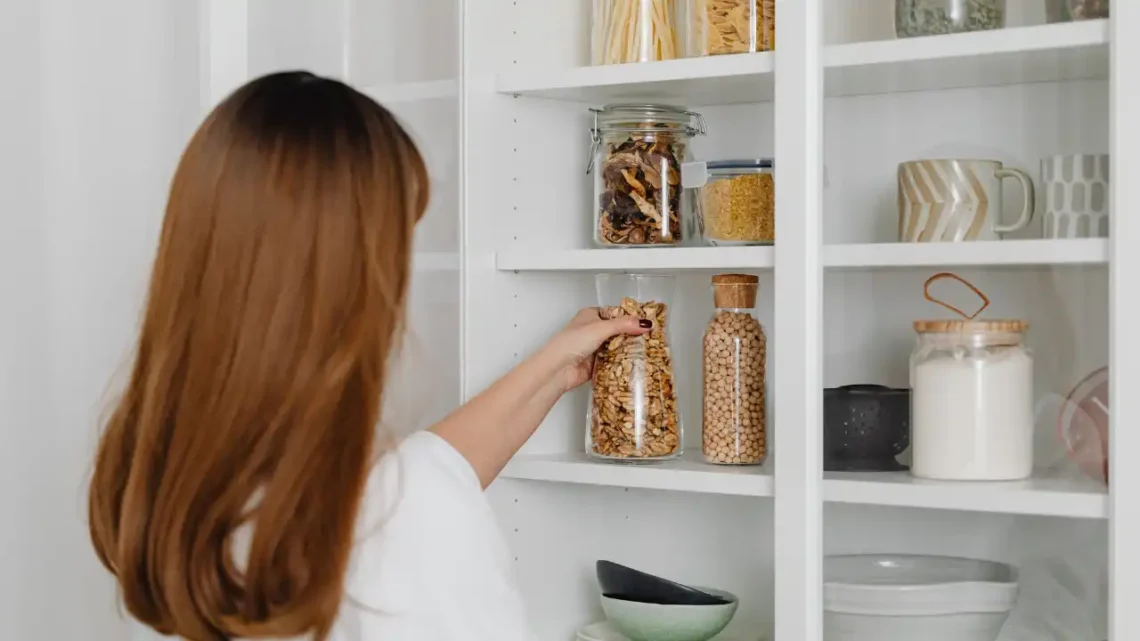
The Prepper’s Guide to a Healthy Pantry: Nutritious & Non-Perishable
Over the past fifteen years, I’ve built and maintained food storage for my family through hurricanes that knocked out power for weeks, supply chain hiccups that emptied store shelves, and a few personal lean times when budgets tightened unexpectedly.
The lesson that stuck hardest wasn’t about quantity alone; it was about nutrition that sustains you when fresh food vanishes.
Trending Now!!:
A prepper pantry isn’t a bunker full of junk calories; it’s a deliberate collection of shelf-stable foods that deliver real nourishment, keep morale up, and prevent the kind of deficiencies that turn a tough situation into a dangerous one.
Building the Foundation: Grains and Legumes
The anchors of any long-term food storage setup are grains and legumes. White rice and dried beans, particularly pinto, black, and lentils, form the backbone because they store indefinitely when kept cool, dry, and sealed from pests.
I learned early on that brown rice spoils faster due to its oils, so I switched to white and never looked back. A simple meal of rice and beans provides complete protein, fiber, and steady energy. In one extended outage after a major storm, we lived on variations of this for nearly a month, adding whatever canned vegetables or spices we had.
The key mistake many newcomers make is buying fancy survival buckets without testing them first. Those freeze-dried entrees taste fine once or twice, but after weeks of repetition, plain rice and beans seasoned with salt, garlic powder, or bouillon become comforting classics.
Don’t overlook oats and pasta for variety. Rolled oats cook quickly over a camp stove or even with just hot water in a thermos, and they offer soluble fiber that helps regulate blood sugar during stress. Pasta stores forever and pairs with canned tomato sauce or tuna for a morale-boosting change.
I always keep a few boxes of whole-wheat varieties for extra nutrients, though white varieties hold up better in long-term storage.
Protein Powerhouses: Meats, Nuts, and More
Protein sources matter more than most realize. Canned meats like tuna, salmon, chicken, and sardines deliver omega-3s and the convenience of ready-to-eat meals. Peanut butter stands out as a powerhouse, packed with healthy fats and protein; it requires no cooking and doubles as a calorie booster.
Nuts and trail mixes provide quick energy, though I rotate them every year or so because they can go rancid if not stored properly.
One error I made early was over-relying on jerky. It was tasty but lacked the fats needed for sustained energy in cold weather. For dairy alternatives, powdered milk and shelf-stable options like evaporated milk keep calcium and vitamin D in play.
I add a bit to oatmeal or use it to make simple cheese sauces from processed cheese that lasts for years unopened. Dehydrated or freeze-dried eggs became a game-changer after I discovered them; they scramble up almost like fresh eggs and prevent the boredom of meat-only meals.
Fruits, Vegetables, and Essential Fats
Fruits and vegetables round out the nutrition picture. Canned versions lose some vitamins over time, but they retain minerals and provide essential variety. Dried fruits like raisins, apricots, and apples offer natural sweetness and fiber without the sugar crash of candy.
I stock low-sodium canned vegetables to avoid bloating during water-restricted scenarios, and always include tomatoes for acidity that brightens bland staples.
Fats are non-negotiable for long-term health. Coconut oil or olive oil in dark bottles lasts for years, adds flavor, and aids the absorption of fat-soluble vitamins. Honey never spoils and serves as an energy source, wound healer, and barter item in dire straits.
Storage and Rotation: Making It Last
Storage conditions make or break everything. I keep my prepper pantry in a cool, dark basement closet, using food-grade buckets with gamma lids and oxygen absorbers for bulk items.
Mylar bags inside buckets work wonders for grains and beans. Rotate stock using first-in, first-out, and incorporate extras into regular meals so nothing goes to waste. Check dates annually, though most non-perishables far outlast labels when stored right.
Flavor and Morale Boosters
A healthy pantry also includes flavor enhancers. Salt, pepper, bouillon cubes, garlic powder, chili powder, and herbs prevent meal fatigue. Comfort items like instant coffee, tea, cocoa, or dark chocolate maintain mental resilience. In one prolonged event, a small bar of chocolate shared among us felt like luxury.
Starting Small and Staying Realistic
Building this way isn’t about fear; it’s about quiet confidence. Start small, add a few cans or bags each grocery trip, and focus on what your family already eats. Test recipes now, adjust for taste and nutrition.
After more than a decade of trial, error, and real emergencies, the best prepper pantry is one that nourishes body and spirit, keeps you strong when the world feels fragile, and proves that thoughtful preparation is the ultimate act of care.