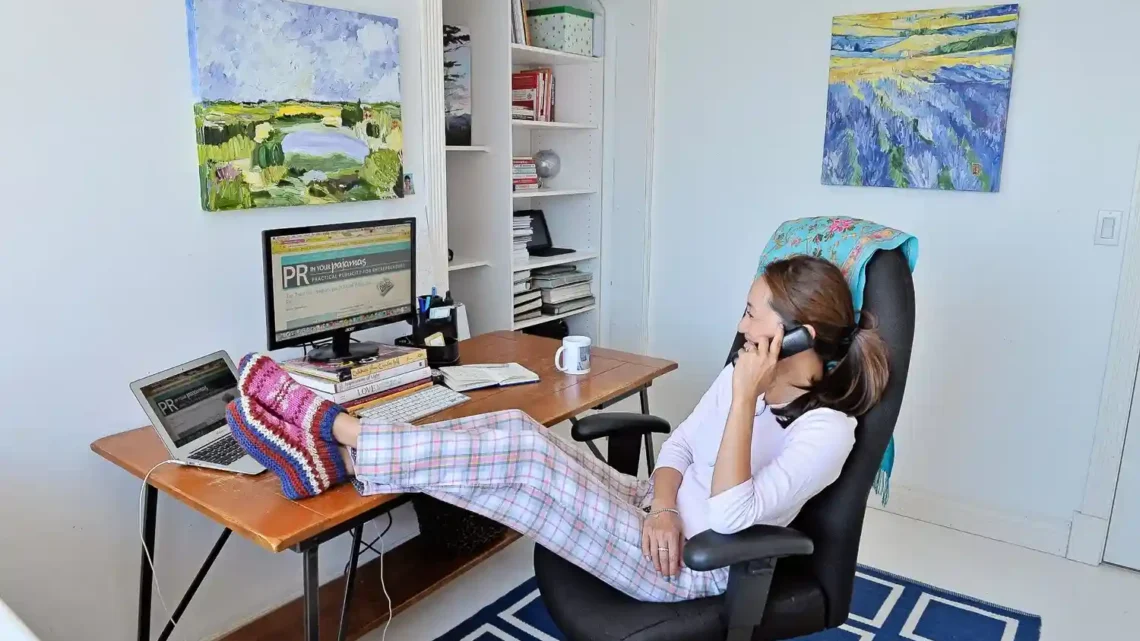
The Rise of Solopreneurs: Building a Career Without Employees
Over the past decade, I’ve watched—and lived—the dramatic shift toward solopreneurship.
What started as a niche path for a few independent freelancers has exploded into a mainstream way to build a thriving career as a solo entrepreneur.
Trending Now!!:
Today, more than 80% of small businesses in the U.S. have no employees, and millions are choosing to run one-person businesses that generate high income without the headaches of managing a team.
I’ve been a solopreneur for over 12 years now, starting back when tools like Zoom and no-code platforms were just emerging. I left a corporate marketing job to consult on my own, and honestly, it was terrifying at first.
But it turned out to be the best decision I ever made. Let me share what I’ve learned about why solopreneurs are rising, the real benefits and challenges of being a solopreneur, and how anyone can start building a successful solo business.
Why Solopreneurship Is Booming Right Now
The rise of solopreneurs isn’t hype—it’s backed by real shifts. Remote work, AI tools, and platforms like Upwork and Shopify have made it easier than ever to launch and scale a one-person business.
Women now make up over 50% of solopreneurs in many reports, and immigrants are driving a big chunk of new starts. Over 60 million Americans are solopreneurs in some form, many pulling in six figures without ever hiring full-time staff.
In my experience, the pandemic accelerated this. I saw friends get laid off and pivot to freelance consulting or digital products overnight. One of them built a coaching business that hit $200K in its second year—all solo.
Tools like AI for content and automation mean you don’t need a team to handle what used to take dozens of people.
The Real Benefits of Being a Solopreneur
People often ask me about the perks of running a business without employees. It’s not just freedom—though that’s huge.
First, total control. You make every decision, from pricing to clients. No compromising on vision or dealing with office politics. I once turned down a high-paying client because the work didn’t align with my values—something impossible in a traditional job.
Second, higher profits. No payroll means more money stays with you. Many successful solopreneurs I know keep 70-90% margins. I’ve structured my consulting around high-ticket packages, and outsourcing only the basics (like a VA for admin) keeps overhead low.
Third, flexibility and work-life balance. I travel three months a year while my business runs. Digital nomad solopreneurs are everywhere now, working from laptops in Bali or coffee shops in Berlin.
But the deepest benefit? Personal growth. You’re forced to level up in every area—sales, marketing, delivery. It’s exhausting, but rewarding.
The Challenges—and Mistakes I’ve Made
Don’t get me wrong: Solopreneurship has tough days. Isolation hits hard. There were months early on where I barely spoke to another adult professionally. Burnout is real when you’re wearing all hats.
My biggest mistake? Trying to do everything myself for too long. I hoarded tasks like bookkeeping and graphic design, wasting hours on things I wasn’t great at. Income was inconsistent—feast-or-famine cycles that stressed me out.
Another common pitfall: Undervaluing your time. Many new solopreneurs take low-paying gigs to stay busy. I did that in year one and regretted it. Scaling without employees means getting smart with tools, not grinding harder.
And taxes? Nightmare if you’re not prepared. I got hit with a surprise bill once because I didn’t set aside enough.
How to Become a Successful Solopreneur
If you’re thinking about how to start a solopreneur business, here’s what worked for me—and what I see in other successful solo entrepreneurs like Justin Welsh or Pieter Levels, who built multimillion-dollar one-person empires.
- Pick the right idea. Start with skills you already have. Freelance writing, consulting, coaching, or digital products are goldmines. I began with marketing consulting because that’s what I knew cold.
- Leverage tools ruthlessly. No employees? No problem. Use Notion for project management, Zapier for automation, and AI for content drafts. These are game-changers for one-person businesses.
- privyr.com
- Build an audience early. Share your journey on LinkedIn or X. That’s how I landed my first big clients.
- Outsource smartly. Contractors for specialized tasks—never full employees if you want to stay solo.
- Focus on recurring revenue. Courses, memberships, or retainers smooth out income. My shift to retainers changed everything.
- Protect your energy. Set boundaries, take breaks, and network with other solopreneurs. Communities saved my sanity.
Final Thoughts: Is Solopreneurship Right for You?
Building a career without employees isn’t for everyone. It demands discipline and resilience. But if you crave autonomy and are willing to learn from failures (I’ve had plenty), it can lead to a life most people only dream of.
I’ve never regretted going solo. The rise of solopreneurs proves we’re onto something powerful: You don’t need a big team to make a big impact—or a great living.
If you’re ready to explore solopreneur ideas or take the leap into solo entrepreneurship, start small, test fast, and keep going. The tools and opportunities today make it more achievable than ever.
FAQ
A solopreneur is an entrepreneur who starts, runs, and grows a business entirely on their own, without hiring employees. They handle everything from marketing and sales to delivery and admin, often outsourcing minor tasks to freelancers or using tools and automation to stay efficient.
While both create businesses, entrepreneurs typically build teams, scale aggressively, and aim to grow beyond their personal efforts. Solopreneurs intentionally stay solo, focusing on a sustainable one-person business that supports their lifestyle without the need for employees.
Freelancers trade time for money by providing services to multiple clients. Solopreneurs build a business with systems, products, or recurring revenue streams (like courses or retainers) that can generate income without constant client work, even if they start with freelance services.
Advances in AI, no-code tools, remote work platforms, and online marketplaces make it easier than ever to launch and run a profitable business alone. The pandemic accelerated this shift, and many now prioritize freedom, flexibility, and higher personal profits over traditional corporate paths.
Full control over decisions, higher profit margins (no payroll), flexible schedules, location independence, and rapid personal growth. Many solopreneurs achieve better work-life balance and keep 70-90% of revenue as take-home pay.
Isolation, inconsistent income early on, wearing all hats (which can lead to burnout), and handling everything yourself—like taxes and admin. Scaling is limited by your time unless you create passive or automated income streams.
Start with skills you already have, validate an idea by testing small, build an audience on platforms like LinkedIn or X, use tools for automation, set up high-ticket or recurring revenue models, and outsource non-core tasks to stay lean.
Consulting, coaching, freelance writing or design, creating digital products (courses, ebooks), affiliate marketing, SaaS tools (if you’re technical), content creation with memberships, or high-ticket services like marketing or business strategy.
Absolutely—many successful solopreneurs earn six or seven figures annually. With low overhead and smart scaling through digital products or retainers, profits can far exceed traditional jobs.
Yes, but usually contractors or virtual assistants for specific tasks, not full-time employees. This keeps the business solo while freeing up time for high-value work.
No—it’s ideal if you value autonomy, self-motivation, and discipline. If you thrive in teams or want massive scale quickly, traditional entrepreneurship with employees might suit you better.
Set strict boundaries, automate repetitive tasks, build recurring revenue for stability, network with other solopreneurs for support, and prioritize energy management over grinding harder.