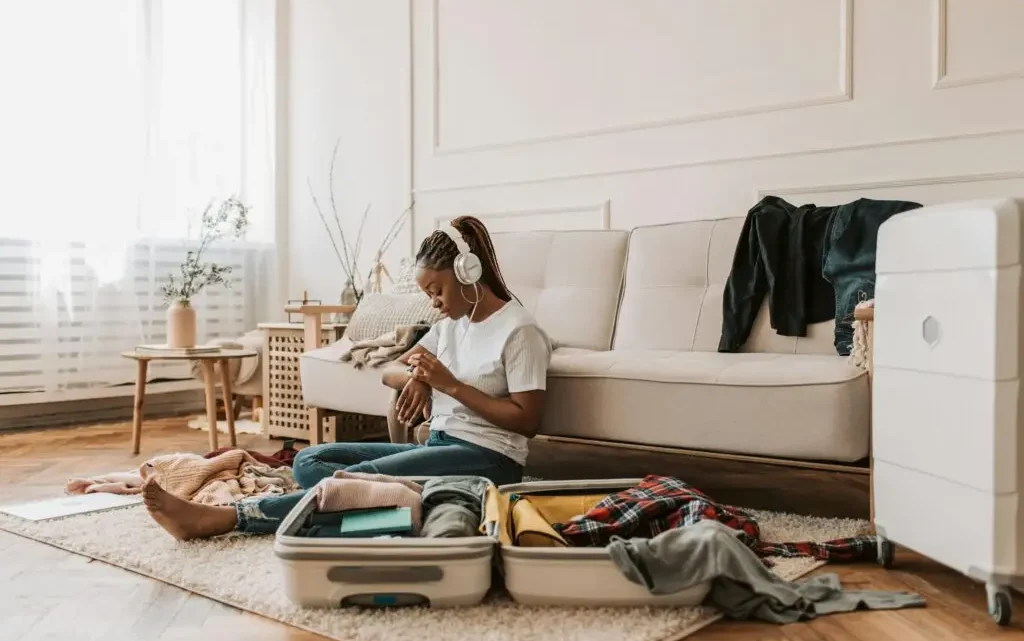
What It’s Really Like Living Out of a Suitcase for a Year
I’ve been a digital nomad for over a decade now, bouncing between countries while working remotely—mostly as a writer and consultant.
Long-term travel became my norm after I quit my office job back in 2013, and since then, I’ve spent multiple years essentially living out of a suitcase (or a backpack, depending on the trip).
Trending Now!!:
One of my longest stretches was a full year hopping across Southeast Asia, Europe, and parts of South America without a fixed base.
People romanticize the nomadic lifestyle, but after all this time, I can tell you: it’s liberating, exhausting, eye-opening, and full of little mistakes that teach you the hard way.
The thrill of long-term travel hits you early. Waking up in a new city every few weeks, discovering hidden street food spots in Bangkok one month and hiking volcanoes in Indonesia the next—it’s addictive. But living out of a suitcase for a year isn’t just Instagram highlights.
It’s the reality of minimalist packing gone extreme, constant adaptation, and those moments when you crave something as simple as your own coffee mug.
The Freedom (and Chaos) of Minimalist Packing
My biggest lesson came from overpacking on my first big trip. I dragged two huge suitcases through airports, convinced I needed “options.” By month three, I was mailing boxes home and swearing I’d never do that again.
Now, I stick to carry-on only: one rolling suitcase and a backpack. Packing cubes changed everything—they keep your capsule wardrobe organized so you’re not digging through chaos every morning.
I build my long-term travel packing list around versatile pieces: neutral colors, quick-dry fabrics, and multi-use items. Think merino wool tees that don’t smell after days of wear, a lightweight jacket that layers for everything from chilly European trains to tropical rains.
Shoes? I learned the hard way—three pairs max. Bulky sneakers stayed behind after I realized flip-flops, sturdy walking shoes, and one nice pair cover 99% of scenarios.
One mistake I still laugh about: packing “just in case” items like a full skincare routine. Half went unused, taking up precious space. Now, I buy toiletries on arrival and embrace travel minimalism. It forces you to realize how little you actually need.
The Digital Nomad Reality: Work, WiFi, and Wanderlust
As a digital nomad, my “office” was wherever I landed—Airbnb kitchens in Lisbon, coworking spaces in Chiang Mai, even beach cafes in Bali. Remote work while travelling sounds dreamy, but unreliable WiFi nearly derailed deadlines more than once.
I once lost a client project because a hostel in Vietnam had “high-speed” internet that crawled slower than dial-up. The upside? Immersing in new cultures recharges creativity.
Slow travel—staying a month or more in one spot—became my secret. It lets you build routines, make local friends, and avoid burnout from constant moves. But even then, the nomadic lifestyle has its toll: missing family events, fleeting friendships, and that nagging rootlessness after months on the road.
The Highs, Lows, and Unexpected Joys
There were days I wanted to burn my suitcase—lost luggage in transit, wrinkled clothes for important meetings, or just the monotony of repacking every checkout.
Health slips too; eating out constantly meant gaining weight until I prioritized markets and cooking simple meals. Yet the joys outweigh it. Watching sunrises over Angkor Wat alone, spontaneous road trips with new nomad friends, and the profound gratitude from owning so little.
Long-term travel tips I wish I’d known sooner: budget for laundry services (hand-washing gets old), invest in noise-cancelling headphones for flights and noisy hostels, and always have a “home ritual” like a favourite tea to ground yourself.
After more than 10 years of this, I’ve slowed down—mixing nomad stints with longer bases. But that year, living purely out of a suitcase? It stripped life to essentials, taught resilience, and reminded me freedom isn’t about stuff—it’s about experiences.
If you’re dreaming of the digital nomad lifestyle or extended travel, start small. Test a month with minimalist packing. You might hate it, or, like me, get hooked. Either way, it’ll change how you see the world—and yourself.