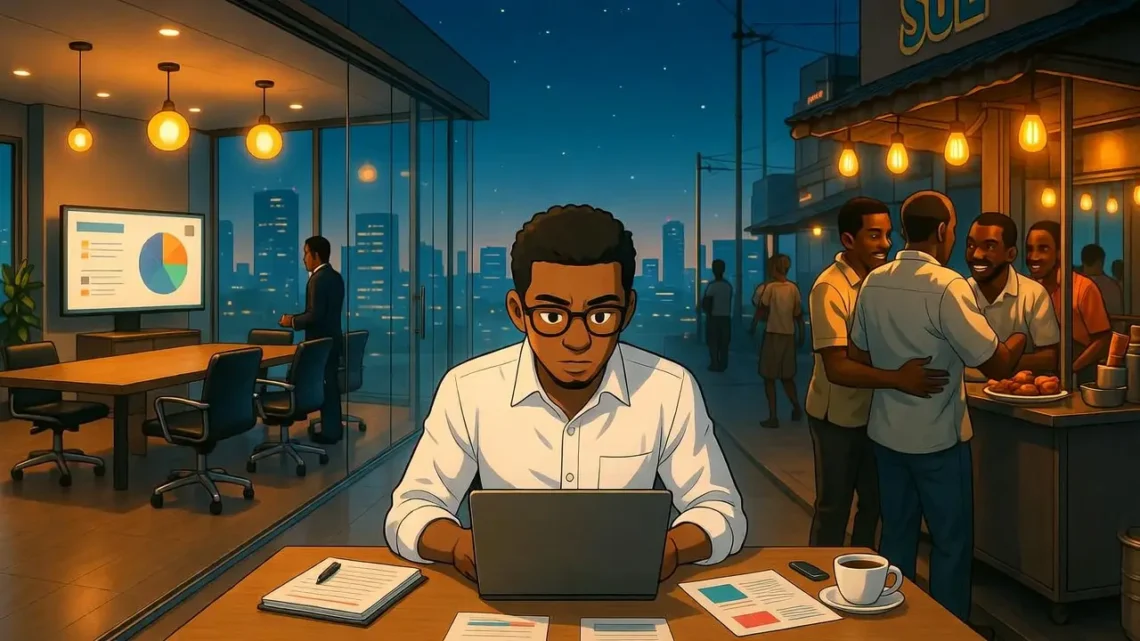
I Turned Down 150 Million Naira — And Ate Suya Instead
Two nights ago, I was up late in my home office in Lagos, staring at my laptop screen after another long day juggling digital marketing campaigns for clients.
I’ve been in business, marketing, and entrepreneurship for over 12 years now—started with nothing but a BlackBerry, a borrowed laptop, and dreams of building something real.
Trending Now!!:
I’ve launched startups that crashed hard, scaled side hustles into six-figure online businesses, and learned the hard way that SEO, content marketing, and social media marketing aren’t just buzzwords—they’re lifelines.
I decided to take a quick break and scroll through LinkedIn when a message popped up from an old mentee, Tunde. He was one of my first success stories back in 2018—a quiet guy who turned my free advice on keyword research and business ideas into a thriving e-commerce store selling custom sneakers. His message read: “Boss, I need to talk. Big opportunity, but I’m scared. Can we hop on a quick call?”
I typed back immediately: “Call me now.”
His voice came through shaky. “Uncle, I’ve been grinding on this startup for two years. Finally hit product-market fit. Sales are exploding—passive income rolling in from affiliate marketing and dropshipping. I even ranked top 3 for best affordable sneakers in Nigeria after obsessing over SEO strategies you taught me.”
I smiled, feeling that proud-mentor rush. “That’s massive, Tunde. What’s the problem?”
He paused. “A VC reached out. They want to invest 150 million naira. But they want me to pivot the whole brand to luxury—high-end imports, celebrity endorsements, big branding budget. They say it’s the only way to scale to unicorn status.”
I leaned back in my chair, the ceiling fan whirring above me. “And you?”
“I don’t know. My customers love the affordable vibe. It’s authentic. But this could be life-changing. Entrepreneurship means taking risks, right?”
We talked for an hour. I shared my own scars: the time in 2015 when I poured everything into a digital marketing agency targeting SMEs, only to lose my biggest client overnight because I ignored customer retention basics.
Or 2020, when COVID killed my events side hustle, forcing me to pivot hard to online marketing and content creation. I told him, “Business growth isn’t always up and to the right. Sometimes the biggest wins come after the scariest pivots—or refusing to pivot.”
Tunde decided to take the meeting. I even offered to join as moral support.
The next evening, we met the investors in a sleek Victoria Island boardroom—glass walls, city lights twinkling outside like a promise.
The lead VC, a sharp woman named Ada, laid it out: massive marketing budget, partnerships with influencers, SEO domination for high-volume keywords like luxury sneakers Nigeria, premium streetwear. They painted a picture of financial freedom, private jets, and legacy.
Tunde looked excited, then glanced at me. I stayed quiet, just observing.
Then Ada dropped the bomb. “We love the brand story—from the streets to the boardroom. But to make this work, we need to rebrand completely. New name, new logo, phase out the old affordable line. It’s business. Sentiment doesn’t scale.”
Tunde froze. I saw the color drain from his face. This wasn’t investment; it was erasure.
He cleared his throat. “So… you’re saying my original customers—the ones who believed in me when I was selling from Instagram DMs—won’t fit the new vision?”
Ada smiled politely. “Exactly. Target audience shifts. It’s the price of scaling a business.”
The room went silent. I could hear my own heartbeat.
Tunde looked at me, eyes pleading. I nodded once—go for it.
He turned back to Ada. “Thank you for the offer. But no. This isn’t entrepreneurship to me anymore. It’s selling out my roots. I’d rather build slow and real than fast and fake.”
Ada raised an eyebrow. “You’re walking away from life-changing money?”
Tunde stood up. “I’m walking toward something better—my own terms. Business plan stays mine.”
We walked out into the humid night air. Tunde exhaled like he’d been holding his breath for years. “Did I just ruin my future?”
I laughed, clapping him on the back. “No, you just saved it. I once turned down a similar deal in 2019. Thought I was crazy. Six months later, that company crashed because they lost authenticity. My little agency? Still here, still growing, because I kept the human touch.”
We grabbed suya from a roadside spot, sitting on plastic chairs under yellow bulbs. Tunde grinned for the first time that night. “So what’s next, boss?”
“Double down on what works,” I said. “Content marketing that tells your real story. Social media marketing with raw videos of your customers. SEO focused on long-tail keywords like affordable custom sneakers Lagos or best startup business ideas Nigeria 2026. Build brand loyalty. The money will follow.”
He nodded. “And if it doesn’t scale to millions?”
“Then you’ll have something rarer— a business that’s truly yours. And trust me, after 12+ years of this rollercoaster, that’s the real success in entrepreneurship.”
As we parted ways, Tunde hugged me tight. “Thanks for being real with me.”
I drove home smiling. The plot twist? I thought I was mentoring him—but that night, he reminded me why I started this journey: not for the exits or the valuations, but for the freedom to say no when it matters most.
And in business, marketing, and entrepreneurship, that’s the twist that keeps the story worth telling.