The Bug I Couldn’t Fix with JavaScript: A Lagos Web Dev Love Story
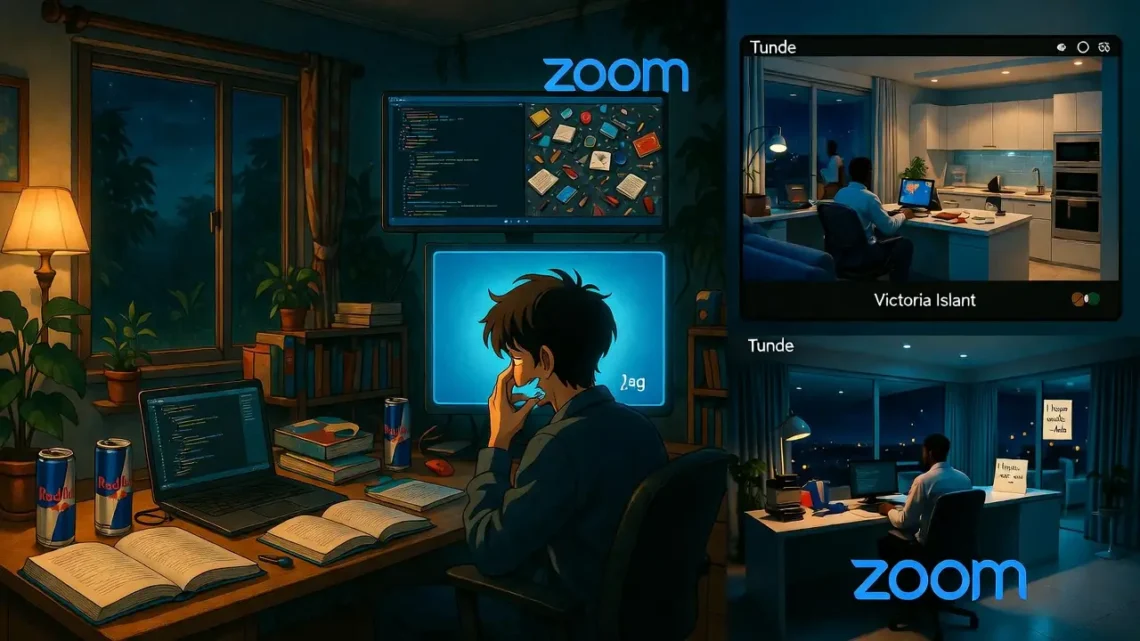
Two nights ago, I was deep in my home office in Lagos, staring at a half-finished React component that refused to play nice with Tailwind CSS.
The screen glowed blue against the dark room, my eyes burning from hours of tweaking responsive design breakpoints.
Trending Now!!:
I’d been grinding web development for over 12 years now—started back when people still argued if jQuery was dead or just sleeping—and nights like this were normal. Deadlines don’t care about your sleep.
My phone buzzed. A Slack message from Tunde, my old freelance partner: Bro, emergency. Client’s site crashed. Frontend looks broken on mobile. Can you hop on a quick call? It’s a website development disaster.
I sighed, cracked my knuckles, and typed back: Give me 5. Let me push this branch first.
We jumped on Zoom. Tunde’s face filled the screen, looking like he’d aged five years in one evening. Behind him, I could see his messy desk—empty Red Bull cans, a glowing VS Code window open to a chaotic JavaScript file.
Oga, thank God you picked up, he said, rubbing his temples. This backend developer we hired ghosted us. The API endpoints are returning 500s, and the whole full-stack thing is falling apart.
The client wants a progressive web app feel, but right now it’s loading like 2010 dial-up.
I leaned closer to my monitor. Show me the console errors.
He shared his screen. Red errors everywhere: CORS issues, failed fetches from the Node.js server, something about invalid JSON parsing. Classic.
See? Tunde pointed. I tried fixing the REST API calls, but nothing. And the UI developer we had bailed last week.
I chuckled dryly. You know this is why I prefer being a front end developer these days. Less server drama, more pixels. But alright, screen share your repo. Let’s debug this live.
We spent the next hour pair-programming like old times. I walked him through checking environment variables—he’d forgotten to set the API key in production.
Then we spotted a sneaky typo in the fetch request URL. Fixed that, and boom—data started flowing. I suggested wrapping the calls in a try-catch with proper error boundaries in React, something I’d learned the hard way after a client lost thousands in sales from an unhandled promise rejection back in 2018.
Ah, see? I said, watching the page reload smoothly. Responsive design magic. Use media queries properly, add some CSS Grid for layout, and throw in lazy loading for images. Your website will feel snappy.
Tunde laughed, relief washing over his face. Man, you’re a lifesaver. This could have cost us the contract. Client was threatening to pull the plug on the whole web development company dream we’re building.
We wrapped up around 2 a.m. I was about to shut down when my own laptop pinged—an email from a potential big client. Subject: Urgent: Need a full website development overhaul with modern web design trends.
I smiled tiredly. Another late night, another win. But as I leaned back in my chair, something felt off. The room was too quiet.
My girlfriend Ada usually texted goodnight, even if she was asleep. No message tonight.
I checked WhatsApp. Last seen: 8 p.m. Odd.
I called. Straight to voicemail.
Worry crept in. I texted: Babe, you good?
No reply.
By morning, still nothing. I drove to her place in Victoria Island, heart racing. Her roommate opened the door, eyes wide.
She’s gone, the roommate whispered. Left a note. Said she met someone online—a web developer from abroad. They’ve been talking for months. He promised to build her a whole life… better than this.
I felt the ground shift. The note was on the kitchen counter, simple handwriting:
I’m sorry. He gets me. He’s building something real—a future. Not just code.
I stared at it, numb. All those nights I spent debugging JavaScript bugs, optimizing SEO for client sites, chasing responsive web design perfection… and I missed the bug right in front of me.
Ada had been unhappy. I was always just one more commit. She wanted attention, not another explanation of why cross-browser compatibility mattered.
I drove home slowly, Lagos traffic blurring past. Back at my desk, the React project still open, cursor blinking mockingly.
I closed the laptop.
For the first time in years, I didn’t feel like coding.
But two days later, something shifted. I opened a new file. Not for a client. For me.
I started writing a simple blog post titled: What 12+ Years in Web Development Taught Me About Real Life (And Why Frontend Skills Can’t Fix a Broken Heart).
I poured it out—mistakes like ignoring accessibility in relationships, over-relying on Git commits instead of actual conversations, thinking performance optimization in life meant working harder, not smarter.
I hit publish on my personal site. No fancy PWA, no dark mode toggle. Just raw HTML, CSS, and honest words.
Comments started trickling in. Then shares. Developers messaging: Bro, this hit hard. Needed this more than another React tutorial.
One even said: You’re the web dev therapist we didn’t know we needed.
And somewhere in the notifications, a new message popped up—from Ada.
I read your post. I’m coming back to Lagos next week. Can we talk? No code. Just us.
I stared at the screen, tears blurring the pixels.
Maybe some bugs aren’t meant to be fixed with JavaScript.
Maybe the best website development is building something real—together.
I typed back: Yes. Let’s debug this properly.
And for once, the plot twist wasn’t sad.
It was hope.